
Straight teeth do more than improve the way a smile looks. They can make daily cleaning easier, help patients floss more comfortably, and support better long-term oral maintenance. When teeth are well aligned, your hygiene routine can work with your smile instead of fighting against it.
Brushing is not only about effort. It is also about access.
If teeth are crowded, rotated, or overlapping, the toothbrush may not reach every surface equally. Some areas stay protected by the position of the teeth, which makes plaque harder to remove.
Straight teeth create a more open path for the brush. This helps patients clean the front, back, sides, and gumline with better control.
That is why alignment matters. It affects what you can reach every morning and every night.
Plaque does not need a large space to become a problem. It can collect in small corners, tight contacts, and areas where teeth overlap.
When these zones are hard to reach, they may stay dirty even after brushing. The patient may feel that they cleaned well, but bacteria can remain in places the brush missed.
Crowding can make oral hygiene harder because it may cause:
This is one of the biggest reasons straight teeth are easier to maintain. Fewer hidden zones usually mean a simpler cleaning routine.
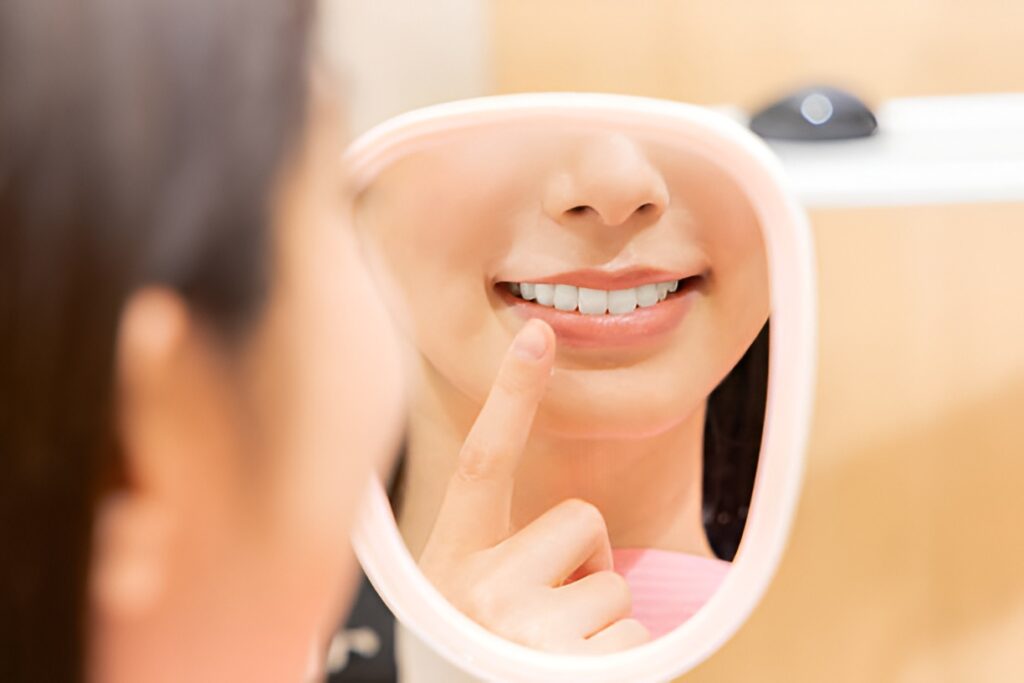
A toothbrush works best when it can move smoothly across tooth surfaces. Straight teeth make this movement easier.
When teeth are aligned, the bristles can reach more areas with less effort. The patient can clean along the gumline more evenly and spend less time trying to angle the brush around difficult corners.
This does not mean brushing becomes optional or less important. It means the same brushing habit can become more effective when the teeth are easier to reach.
For many patients, this is the practical benefit they feel first. Their mouth feels cleaner after the same daily routine.
Flossing is often the step people skip. One reason is that flossing can feel uncomfortable when teeth are crowded or too tight.
If the floss snaps, gets trapped, or cannot pass smoothly, patients may stop using it. Over time, the spaces between teeth become more vulnerable to plaque buildup.
Straight teeth can make flossing feel easier because:
When flossing becomes easier, patients are more likely to do it regularly. Regular flossing is one of the strongest habits for maintaining a cleaner mouth.
The gumline is one of the most important areas to clean. It is also one of the easiest areas to miss when teeth are not aligned.
Plaque near the gums can irritate the tissue. This may lead to redness, swelling, sensitivity, or bleeding during brushing.
Straight teeth help create a clearer path along the gumline. The brush can move from tooth to tooth with better contact.
This supports healthier gums and makes checkups easier. The dentist can also see and evaluate the area more clearly during a professional visit.
Bad breath can have several causes. One common cause is bacteria and food debris left in areas that are difficult to clean.
When teeth overlap, small pieces of food may stay trapped after meals. These areas can be hard to reach with brushing alone.
Straight teeth reduce the number of difficult hiding spots. This can help the mouth feel cleaner and the breath feel fresher.
If bad breath continues even with good cleaning, a dental checkup is important. The cause may be plaque, gum inflammation, cavities, tartar, or another oral health issue.
Professional dental cleaning is important for every patient. It removes tartar, stains, and buildup that cannot always be removed at home.
When teeth are straight, the hygienist can access more surfaces with better visibility. This can make cleaning more complete and more comfortable.
Crowded teeth do not make professional cleaning impossible. They simply make some areas more difficult and more time-sensitive.
Straight teeth help both the patient and the dental team. Home care becomes easier, and professional care becomes more efficient.
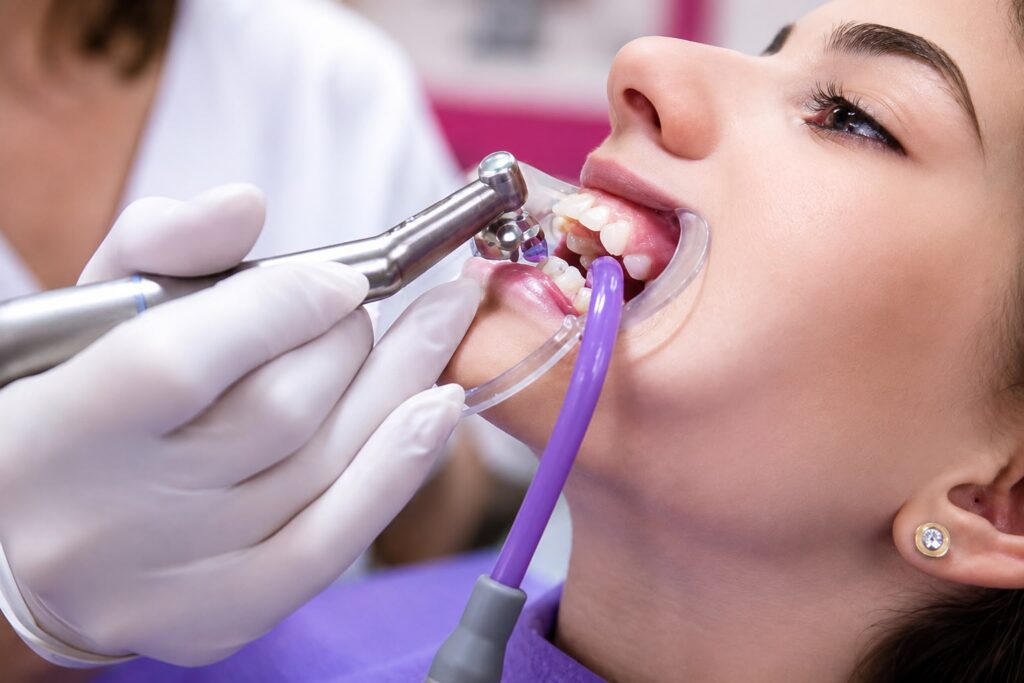
Cavities often begin where plaque sits for too long. These areas may be between teeth, near the gums, or in spots that are hard to brush.
Straight teeth can help reduce these risky areas because cleaning becomes easier. The patient can remove plaque before it hardens or causes damage.
This is not a guarantee that cavities will never happen. Diet, brushing habits, saliva, fluoride, and dental visits still matter.
But when teeth are easier to clean, prevention becomes more realistic. That is why alignment is part of smart oral care.
Many people think orthodontic treatment is only for a nicer smile. A better-looking smile is important, but it is not the only benefit.
Orthodontics can improve how teeth sit, how they meet, and how easy they are to clean. This can make daily hygiene more manageable.
At City Dental Clinic, patients can discuss orthodontic options after a proper dental evaluation. The right plan depends on the position of the teeth, the bite, oral health, and patient goals.
Some patients may need traditional orthodontic treatment. Others may be suitable for clear aligner options such as Invisalign, depending on the clinical case.
Alignment also matters when a patient has restorations. Crowns, veneers, fillings, and aesthetic treatments all need good hygiene.
If teeth are crowded, cleaning around restorations can become more difficult. Food and plaque can collect near margins and tight areas.
Straight teeth make maintenance easier after many types of dental work. This helps protect the investment patients make in their smile.
A beautiful result should also be practical. The easier it is to clean, the easier it is to protect.
Sometimes, patients do not realize that tooth position is making hygiene harder. They only notice the results, such as bleeding gums or food that gets stuck.
A dental consultation can help identify the real cause. The dentist can show which areas are being missed and why.
You may benefit from a checkup if you notice:
These signs do not always mean orthodontic treatment is required. They mean the mouth should be evaluated properly.
Not every patient starts with straight teeth. That does not mean good hygiene is impossible.
The right tools can make a big difference. A dentist may recommend small changes that improve your daily routine.
Helpful options may include:
The goal is not to brush harder. The goal is to clean smarter and reach the areas that are easy to miss.
Even with straight teeth, regular dental visits are still necessary. Alignment helps, but it does not replace professional care.
A dentist can detect plaque buildup, gum inflammation, early cavities, bite issues, and changes in tooth position. These checks help protect the smile before problems become bigger.
Regular visits also help patients maintain results after orthodontic treatment. Retainers, cleaning, and checkups are all part of long-term success.
A straighter smile should be maintained with a smart plan. That plan begins with professional guidance.
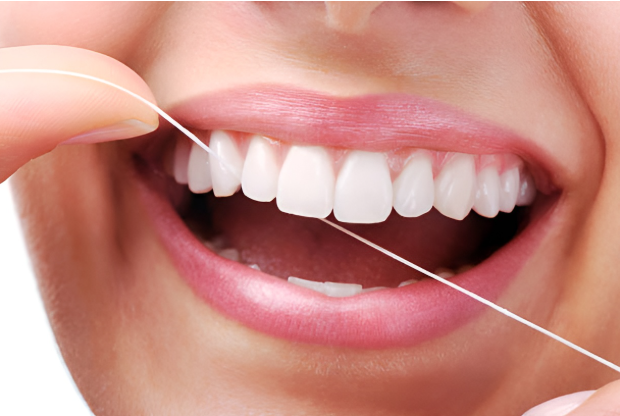
Straight teeth are easier to clean because they give the toothbrush, floss, and dental team better access. They reduce hidden spaces where plaque and food can stay trapped.
Better alignment can support healthier gums, fresher breath, more effective brushing, and easier professional maintenance. It is not only about the look of the smile.
If cleaning your teeth feels difficult, if floss keeps getting stuck, or if food collects in the same areas, a dental consultation can help. A straighter smile may also be a cleaner, easier-to-maintain smile.
If you want straight teeth, easier cleaning, and a smile that is simpler to maintain, City Dental Clinic can help you take the first step. A professional consultation can show whether tooth alignment is affecting your hygiene and what options may fit your case.
Contact City Dental Clinic today and start with a clear plan for your smile.
Yes. Straight teeth usually give the toothbrush and floss better access to the tooth surfaces and spaces between teeth.
No. Cavities can still happen without good hygiene, diet control, fluoride, and dental visits. Straight teeth simply make cleaning easier and more effective.
It may help when crowding or overlapping teeth make the gumline difficult to clean. A dentist or orthodontist should evaluate your case first.
No. Invisalign can be an option for many cases, but not for every case. The choice depends on tooth position, bite, and clinical needs.
The right interval depends on your oral health, plaque level, tartar buildup, and gum condition. Your dentist can recommend the best schedule after a checkup.

