
Zygomatic implants are an innovative solution for patients who don’t have enough jawbone on the upper jaw. This procedure will restore full mouth function and appearance, also for those who are not suitable for traditional implants.
After long-term tooth loss or dental implant failure, many people will see this as their only option for fully restoring their smile. In this blog post, we will explain who will benefit from zygomatic implants and how this procedure is performed.
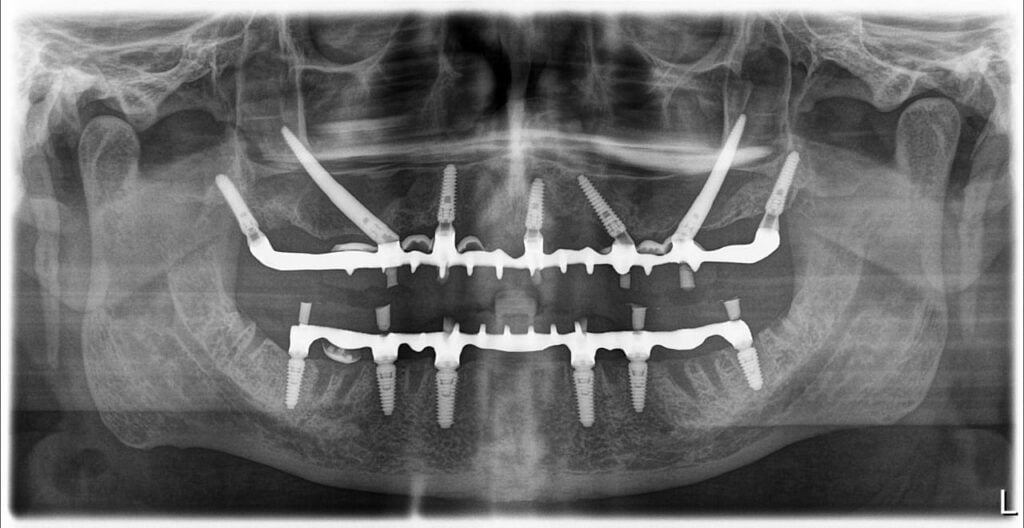
Zygomatic implants are screwlike devices placed on the zygomatic bone (cheekbone) and not on the upper jaw. This technique is used for patients who have lost a huge amount of bone volume on the upper jaw.
These implants are usually longer than traditional implants and offer strong support for fixed prosthesis. The procedure allows the replacement of the teeth without the need for bone grafting.
Zygomatic implants are a modern solution, especially for those who have had an unsuccessful implant treatment. Thanks to this advanced treatment, even the most complex cases will have a new and functional smile that will last a lifetime.
This method requires the expertise of a professional oral surgeon specialized in implantology. The procedure is safe, and the results are long-lasting when instructions are carefully followed.
Zygomatic implants are recommended when there is not enough bone on the upper jaw for the placement of traditional dental implants. This usually happens when missing teeth have not been replaced for a long period of time.
Patients who have suffered significant bone resorption are the most suitable candidates for this procedure. In these cases, traditional implantology techniques do not provide a reliable result.
This treatment is the perfect choice for those who don’t want or are not suitable for bone grafting. Zygomatic implants will quickly restore mouth function and aesthetics.
These implants are recommended even when previous procedures, such as traditional implants or bone grafting, have failed. This technique will be the perfect choice for more complex and severe cases.
Patients who require a fast and reliable solution are suitable for these implants. The oral surgeon will carefully examine each case individually to guarantee the best possible results.
Zygomatic implants are suitable for patients who have lost a significant amount of bone on the upper jaw. This means that these patients won’t be suitable for traditional implants due to missing bone, making them the main candidates.
This treatment is ideal for patients who have previously had removable dentures and are looking for a fixed and more comfortable solution. Those who want to avoid long procedures such as bone grafting will benefit more from this treatment.
Zygomatic implants are the perfect solution for patients who have dealt with infections or severe bone loss from periodontal diseases. In these cases, traditional treatments will most likely offer the desired result.
They are also suitable for those who have had an unsuccessful implant treatment previously or complications after bone grafting. This method gives them a second opportunity to regain their smile.
The patients who need faster results are require immediate mouth function are also ideal candidates. Zygomatic implants offer quicker solutions compared to traditional treatments.
The oral surgeon or the implantologist will assess every case individually, taking into account the patient’s overall health and desires. A comprehensive consultation will help choose the safest and most effective method for every patient.

Traditional implants will be directly placed on the upper or lower jaw if there is enough jawbone to support them. They are more common and are used in most cases of tooth replacement.
On the other hand, zygomatic implants are longer and will be placed on the zygomatic bone, which is denser and stronger. This technique will usually be used when the upper jaw bone is too weak or doesn’t exist at all.
The zygomatic implant procedure is more complex, and it should only be performed by a specialized oral surgeon. Traditional implants are simple and require less time to be placed.
Recovery time will be shorter for zygomatic implants, since bone grafting beforehand will be avoided. This makes them a quick solution for patients with severe bone loss.
In more complex cases, they are also more affordable since they eliminate the need for additional procedures. On the contrary, with traditional dental implants, several procedures will be necessary.
This being said, the choice between these two implant types will mainly depend on the bone condition and the patient’s individual needs. The oral surgeon will make a detailed assessment to decide the best option possible.
The zygomatic implant process starts with a detailed consultation and examination from the dentist or oral surgeon. They will use digital imaging, 3D radiography (CT scan), and scans to study the bone structure and to find the perfect treatment plan.
After the assessment, the patient will be informed of the treatment options and required steps throughout the treatment. This includes detailed information for the procedure, risks, recovery phase and the expected results. Additionally, during this consultation, you will also decide the treatment day.
On the day of surgery, the procedure will be performed under the effect of local anesthesia, while in some cases, light sedation will also be used for maximal patient comfort. The surgeon will open the gums to reach the area where the implants are going to be placed.
Zygomatic implants, which are usually longer than traditional ones, will be directly placed on the zygoma bone. This bone is strong and offers stable support for the implant, even when bone in the upper jaw is missing.
During the placement, the surgeon ensures that the implants are correctly positioned to support the crowns or dental bridges. This helps restore full mouth function and mouth appearance.
After the implant placement, the treated area will be closed with specific sutures, which help the gums heal faster. During this phase, the patient will get clear aftercare instructions and the necessary medications.
If possible, on the same procedure, the temporary crowns will be placed. This allows the patients to have functional teeth immediately, making everyday life easier.
After the procedure, the patient will go through the recovery stage, where it is very important to follow the dentist’s instructions. Regular monitoring of the implants and healing will help prevent further complications.
During the next months, the bones and tissues around it will naturally integrate, creating a strong and stable base. Only after the integrations are complete, the final crowns will be placed.
The final visits for the implants include taking impressions, choosing the material, and finding the perfect fit. The final crowns will be placed carefully to provide maximum function and aesthetics.
In conclusion, the patient will get instructions on implant maintenance and long-term care for their dental implants and crowns. This is a crucial step for the implant’s success and longevity.
Even though the process seems long, due to modern technology and experienced dentists, success will be guaranteed. The results will be a fully functional and aesthetic smile that will improve daily comfort and self-esteem.

Zygomatic implants offer a stable solution for patients with severe bone loss in the upper jaw area. They allow proper implant placement without the need for complex bone grafts, reducing treatment time.
These implants offer optimal stability and full support of dental crowns, restoring chewing function and full-mouth aesthetics. Patients will benefit from a long-term solution that provides natural and stable results.
Zygomatic implants will also be recommended in cases when traditional implants have failed, providing patients who have had a complex procedure a new possibility. Additionally, many patients will be able to return to their everyday lives in no time.
Zygomatic implants significantly improve lifestyle, allowing patients to eat, speak, and feel confident. They are a worthy investment in long-term health and well-being.
As with any other surgical procedure, zygomatic implants have their own possible risks. One of the most common complications is infection of the treated area, which requires immediate treatment.
Swelling and pain are normal side effects after the procedure, but will usually be treated with medications and by resting. In rare cases, nerve damage can occur, which can cause more sensitivity or less.
There is a possibility that the implants will not properly integrate with the jawbone, resulting in implant failure. In these cases, the removal of the implant and the reshaping of the area will be necessary.
This procedure requires the expertise of a professional oral surgeon to guarantee success and minimise risks. Patients should strictly follow the pre- and after care instructions.
However, the risks are relatively low, and most of the patients will benefit from positive and long-lasting results. A good treatment plan and constant care are the key to long-term success.
After zygomatic implant placement, it is important to carefully follow your oral surgeon’s instructions. This helps promote a quicker recovery and prevents complications.
You will experience swelling and discomfort around the treated area, but they will go down within a few days with the use of recommended medications. Do not hesitate to contact the clinic if pain becomes worse or lasts longer than expected.
Avoid hard, hot, and sticky foods for a couple of weeks. Preferably, you should consume soft and cold foods that do not irritate the gum line and the treated area.
Maintain a strict oral hygiene routine by using a soft-bristle toothbrush and the recommended mouthwash. Careful cleaning of the mouth will help eliminate bacteria and maintain implant health.
Avoid smoking and alcohol for at least several weeks after the procedure. These habits can delay healing and increase the risk of infections.
Avoid strenuous physical activities for a certain amount of time. Resting will help the body recover better and faster.
Regularly check your implants with your dentist. These visits are necessary to monitor the integration process and the implant health.
If you notice any unusual change, such as constant bleeding, severe swelling, persistent pain, or a strange feeling, immediately contact the clinic. Prompt reaction will help prevent serious complications.
Patience and care after the treatment are the key to long-term zygomatic implant success. With the right maintenance, the implants will last for years to come.

Many patients who have had zygomatic implants have reported a significant improvement in their lifestyle. They feel safer and more comfortable while eating and talking.
Initially, some patients feel scared and worry about this procedure, but most of them experience a little discomfort that improves quickly. Dentist support and detailed information will help them prepare better.
Patients appreciate the fact that the recovery process is shorter than expected and that they can return to their everyday activities in no time. The majority of these patients claim that their new smile has changed their whole life.
Many claim that they have tried other treatments before zygomatic implants, but this has been the most stable and effective treatment. They recommend this treatment for patients with similar issues.
Patients who have undergone this treatment also emphasize the importance of constant care after dental implant placement. Those who stick to the dentist’s instructions will have better and longer-lasting results.
Overall, zygomatic implants are a successful option for many patients with missing bone. This technique gives them the opportunity to have a functional smile, improving self-esteem and oral health.
Zygomatic implants are a type of dental implant, usually longer than traditional ones, placed on the zygoma bone (cheekbone). They are the perfect solution for patients with severe bone loss on the upper jaw.
The whole zygomatic implant procedure will not be painful since it will be performed under local anesthesia, meaning you won’t feel anything. After the procedure, it is normal to feel uncomfortable, which will be easily managed with medication.
Initial recovery will take a couple of weeks, but full implant integration can last a couple of months.
There is a possibility that dental crowns will be placed on the same days as the zygomatic implants, but this will depend on the patient’s condition and the treatment plan.
Patients with severe bone loss on the upper jaw, those who don’t want to or are not suitable for a bone graft, or those who have had previously failed procedures are considered suitable candidates for zygomatic implants.
As with any surgical intervention, there is a risk of infection, swelling, or, in rare cases, even nerve damage. However, these risks will be minimised if the procedure is performed by a professional oral surgeon.
If you want the zygomatic implants to last for a very long time and remain healthy, it is important to follow the dentist’s instructions regarding oral health, avoiding certain foods, and to attend regular dental visits.

