
Zygomatic implants are an advanced solution for patients with severe upper jaw bone loss. They are designed for cases where traditional dental implants may not be possible. At City Dental Clinic, experienced specialists evaluate each case carefully to determine if zygomatic implants are the right option.
Zygomatic implants are specialized dental implants designed for patients with severe bone loss in the upper jaw. Unlike traditional implants, they are anchored into the cheekbone (zygoma), which provides stronger and more stable support.
These implants are longer than standard dental implants and are used when there is not enough bone in the upper jaw to hold conventional implants. They eliminate the need for complex bone grafting procedures in many cases.
Zygomatic implants are commonly recommended for patients who have experienced advanced bone resorption, long-term tooth loss, or failed previous implants. They offer a reliable alternative when traditional solutions are not suitable.
With proper planning and surgical expertise, zygomatic implants can restore full function and aesthetics. They allow patients to regain stability, chewing ability, and confidence.
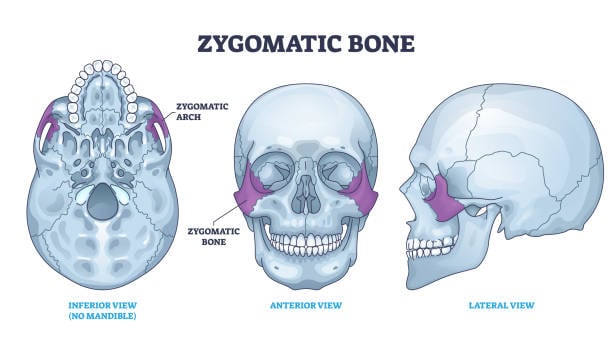
Zygomatic implants are ideal for patients who have significant bone loss in the upper jaw. In these cases, there is not enough bone volume to support traditional dental implants.
Instead of undergoing complex bone grafting procedures, patients can benefit from implants anchored in the cheekbone. This provides strong support even when the upper jaw bone is limited.
Individuals who have experienced failure of traditional implants may also be good candidates. Bone resorption or infection can sometimes prevent replacement of standard implants.
Zygomatic implants offer a stable alternative in such cases. With proper planning, they can restore function and provide long-term results.
Some patients prefer to avoid lengthy bone grafting surgeries and extended healing times. Zygomatic implants often eliminate the need for grafting by using the dense zygomatic bone for support.
This approach can reduce overall treatment time and simplify the rehabilitation process. It allows patients to regain fixed teeth more efficiently.
Patients who have lost teeth for many years may experience severe bone shrinkage. This makes conventional implant placement difficult or impossible.
Zygomatic implants can provide a full-arch solution even in advanced cases. They help restore chewing function and facial support.
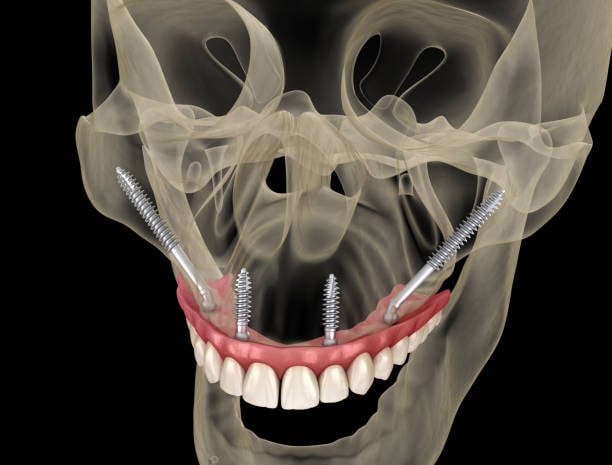
Severe bone loss in the upper jaw often occurs after long-term tooth loss. When teeth are missing for many years, the bone gradually shrinks because it no longer receives stimulation from chewing.
Periodontal disease and failed previous implants can also accelerate bone resorption. Over time, this makes the upper jaw too weak to support traditional dental implants.
When bone volume is significantly reduced, standard implants may not achieve proper stability. In these cases, patients are often told they need extensive bone grafting before implant placement.
Zygomatic implants provide an alternative by anchoring into the cheekbone, which is denser and more stable. This allows implant treatment even when upper jaw bone is severely limited.
Dental implants can fail due to infection, poor bone integration, or excessive pressure on the implant. In some cases, untreated gum disease or smoking may contribute to implant instability.
Improper placement or insufficient bone support can also lead to failure over time. When this happens, the surrounding bone may weaken further.
After a failed implant, the remaining bone in the upper jaw may not be strong enough for another traditional implant. Repeated surgeries can further reduce bone volume and complicate treatment.
In such cases, zygomatic implants may offer a more stable and reliable alternative. By anchoring into the cheekbone, they provide support even when previous implant attempts have failed.
When there is not enough bone in the upper jaw, traditional dental implants usually require bone grafting. This procedure is performed to rebuild lost bone and create a stable foundation for implant placement.
Bone grafting can increase treatment time and require several months of healing before implants can be placed. For some patients, this extended process may feel complex or overwhelming.
Zygomatic implants are designed to avoid the need for extensive bone grafting in many cases. Instead of relying on the weakened upper jaw, they anchor into the dense cheekbone for strong support.
This approach can significantly reduce overall treatment time and eliminate additional surgeries. Patients may achieve fixed teeth more quickly without undergoing a transplant of the jawbone.
Zygomatic implants offer an advanced solution for patients with severe upper jaw bone loss who are not suitable candidates for traditional implants. They provide strong anchorage in the cheekbone, allowing stable, fixed teeth without the need for extensive bone grafting procedures.
Key Benefits Include:
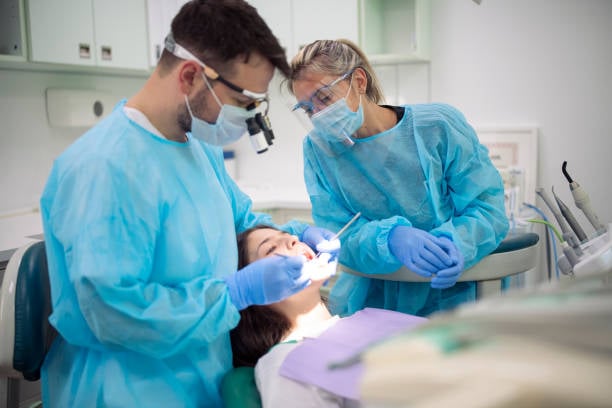
The procedure begins with a comprehensive consultation and advanced 3D CBCT imaging. This allows the implant specialist to evaluate bone structure, sinus position, and facial anatomy in detail.
Using digital planning software, the exact position and angle of the zygomatic implants are carefully designed before surgery. This ensures maximum precision and safety during the procedure.
During the surgery, the zygomatic implants are anchored into the cheekbone, which provides strong and stable support. The procedure is performed under local anesthesia, ensuring patient comfort throughout.
Because the cheekbone is dense and stable, the implants achieve high primary stability immediately after placement. This is crucial for successful long-term integration.
In many cases, temporary fixed teeth can be placed shortly after surgery. This allows patients to leave with functional teeth instead of waiting months for healing.
After the healing phase, permanent restorations are placed to complete the treatment. The final result restores both function and natural aesthetics.
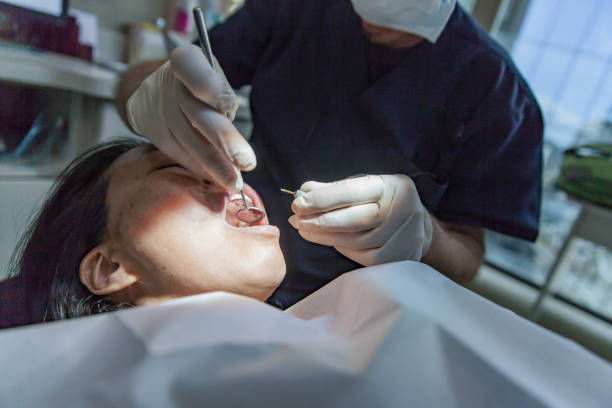
Yes, when performed by an experienced implant specialist, zygomatic implants are considered safe and predictable. Proper 3D planning and surgical expertise are essential for success.
The procedure is performed under local anesthesia, so you should not feel pain during surgery. Mild swelling or discomfort afterward is normal and manageable.
The surgical procedure usually takes a few hours, depending on the complexity of the case. In many cases, temporary fixed teeth can be placed shortly after surgery.
In most cases, no. Zygomatic implants are specifically designed to avoid the need for transplant of the jawbone.
With proper oral hygiene and regular dental check-ups, zygomatic implants can last many years. Long-term success depends on patient care and professional monitoring.
Patients with certain medical conditions or insufficient cheekbone structure may not be suitable candidates. A full clinical evaluation is necessary to determine eligibility.
Zygomatic implants can be a life-changing solution for patients with severe upper jaw bone loss who have been told that traditional implants are not possible. They provide stability, function, and fixed teeth without the need for complex bone grafting procedures.
However, not every patient is automatically a candidate. A detailed clinical evaluation and 3D imaging are essential to determine whether this advanced technique is the right option for your specific case.
If you are struggling with bone loss, failed implants, or unstable dentures, consulting an experienced implant specialist can help you understand your options. The right treatment plan can restore both your oral function and your confidence.
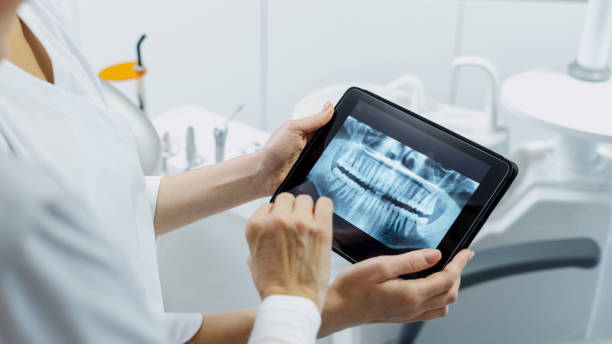
Thinking about zygomatic implants because of severe bone loss or failed implants? City Dental Clinic can evaluate your case with 3D imaging and a clear treatment plan, so you know exactly what is possible.
🦷 Find out if you are a candidate for zygomatic implants
📸 3D scan & detailed assessment
🧠 Clear explanation of options (no confusion)
⏱️ Faster path to fixed teeth in complex cases
🤝 Support before, during, and after treatment
📩 Message us today to book your consultation and get expert answers fast.

