
Your first dental implant consultation is the starting point for planning a successful treatment. At City Dental Clinic, specialists carefully evaluate your oral health to determine if dental implants are the right option for you. During this visit, you will receive a clear explanation of the procedure, treatment plan, and the next steps.
Your first dental implant consultation is an important step in planning your treatment. At City Dental Clinic, the goal of this visit is to understand your oral health, evaluate your needs, and determine whether dental implants are the right solution for you.
During this consultation, the dental specialists gather important information and use modern diagnostic tools to create a clear treatment plan.
The consultation usually begins with a conversation about your dental history and the problems you are experiencing. This helps the dentist understand your expectations and treatment goals.
You may also be asked about previous dental procedures, current symptoms, and general health conditions that could affect implant treatment.
This stage may include:
After the initial discussion, the dentist performs a detailed examination of your teeth, gums, and jaw structure. This allows the specialist to identify any issues that could influence implant placement.
A thorough examination ensures that the treatment plan is safe and tailored to your specific needs.
The oral examination may involve:
Advanced imaging plays a key role in planning dental implants. X-rays or digital scans help dentists evaluate bone density and determine the best location for implant placement.
These technologies allow for precise treatment planning and help reduce risks during the procedure.
Diagnostic tools may include:
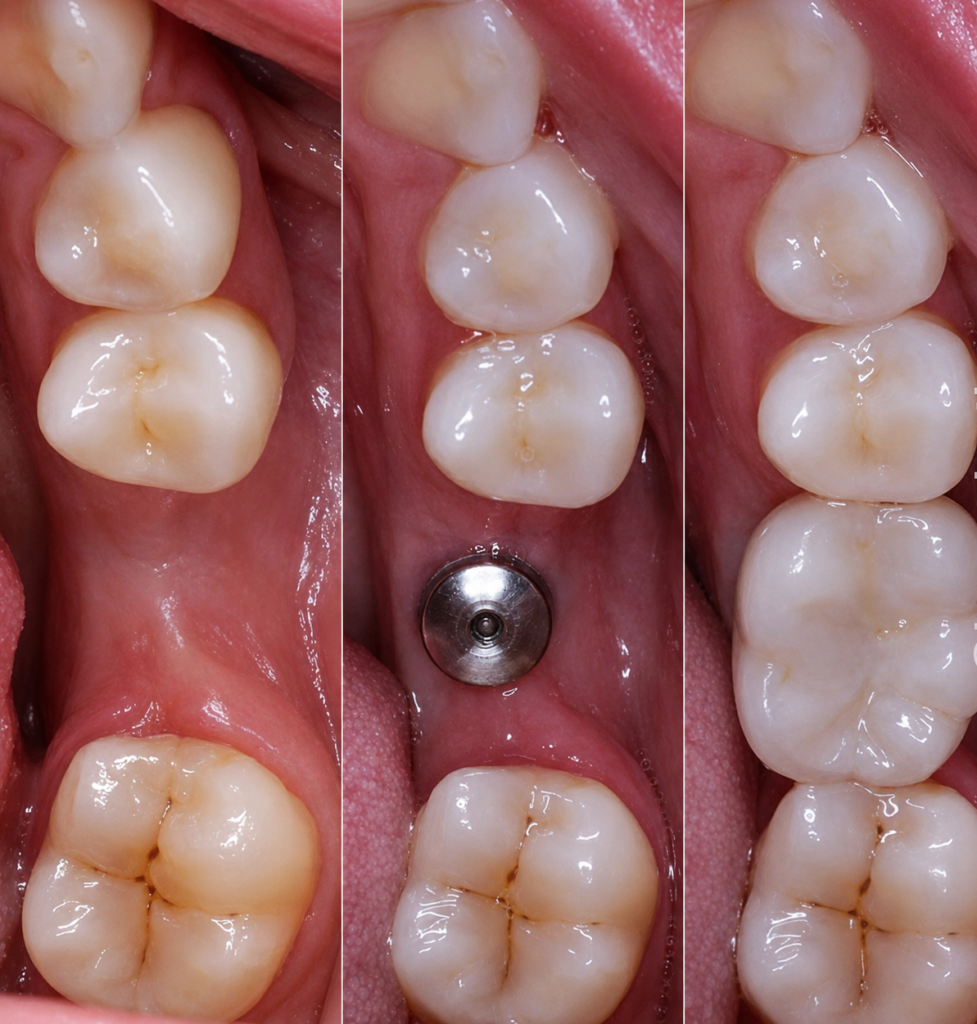
Not every patient is immediately ready for dental implants. During the consultation, the dentist evaluates whether your bone structure and oral health are suitable for implant placement.
If additional procedures are required, such as bone grafting or periodontal treatment, these will be discussed during the consultation.
Factors that are evaluated include:
Once the examination and diagnostics are completed, the dentist will explain your treatment options. You will receive a personalized plan outlining the recommended procedures and the expected timeline.
This step ensures that you clearly understand the process before starting treatment.
Your treatment plan may include:
The first stage of a dental implant consultation focuses on understanding your overall oral health and medical background. At City Dental Clinic, specialists begin by reviewing important details that help determine whether dental implants are the right option for you.
During this step, the dentist carefully evaluates your current dental condition while also learning about your medical history. This information helps ensure that implant treatment is planned safely and effectively.
The dental examination allows the specialist to assess the health of your teeth, gums, and jaw structure. A detailed evaluation helps identify any underlying issues that may need to be addressed before implant placement.
The examination may include:
Your medical history plays an important role in determining whether dental implants are suitable for you. Certain health conditions or medications may influence the treatment approach.
During this discussion, the dentist may ask about:
This step helps the dental team create a treatment plan that is both safe and tailored to your individual needs.
Dental imaging plays a crucial role in planning successful implant treatments. At City Dental Clinic, advanced diagnostic technology is used to evaluate the structure of your jaw and determine the most accurate position for dental implants.
These imaging techniques allow dentists to carefully analyze bone density, nerve location, and the overall condition of the oral structures. This detailed evaluation helps ensure that the implant placement is safe, precise, and tailored to your individual needs.
To create an accurate treatment plan, dentists rely on modern imaging tools that provide detailed views of the mouth and jaw.
These may include:
Using these technologies allows the dental team to minimize risks and improve the long-term success of implant treatments.
Detailed imaging ensures that every aspect of the implant procedure is carefully planned before surgery. It helps dentists identify the safest location for implant placement and determine whether additional procedures may be necessary.
Imaging can also reveal conditions that may need to be treated before implants are placed.
Some of the benefits include:
This careful planning helps patients feel more confident about their treatment and ensures the best possible outcome.
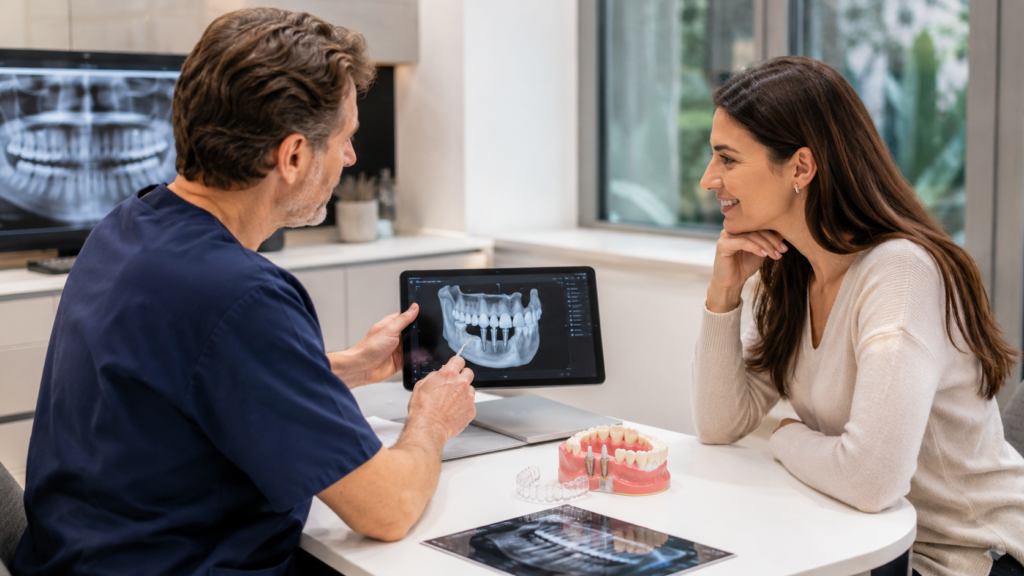
Not every patient is immediately ready for dental implant treatment. At City Dental Clinic, specialists carefully evaluate several factors to determine whether dental implants are the right solution for restoring missing teeth.
This evaluation ensures that the treatment will be safe, stable, and capable of delivering long-term results.
Before recommending dental implants, the dentist assesses important aspects of your oral health and overall condition.
These factors may include:
A healthy jawbone and good gum condition are essential for the implant to integrate successfully with the bone.
Your overall health also plays an important role in determining whether dental implants are suitable. Certain medical conditions or lifestyle habits may affect the healing process after implant placement.
During this evaluation, the dentist may consider:
These details help ensure that the treatment plan is tailored to your specific situation.
In some cases, patients may require additional treatments before dental implants can be placed. These procedures help prepare the mouth and create a stable foundation for the implant.
Possible preparatory treatments may include:
With the right preparation, many patients who are not initially candidates can still become eligible for dental implants.
After the examination and diagnostic imaging are completed, the next step is creating a personalized dental implant treatment plan. At City Dental Clinic, specialists design a plan that is tailored to the patient’s oral health condition, needs, and treatment goals.
A personalized treatment plan helps patients clearly understand every stage of the procedure before treatment begins. It also ensures that the implant placement and restoration process is carefully planned for long-term success.
Each patient receives a plan that is specifically designed for their dental condition and the number of missing teeth.
The treatment plan may include:
This detailed planning allows patients to prepare for their dental procedures with confidence.
Dental implant treatments are often completed in several stages to ensure proper healing and integration with the jawbone. During the consultation, the dentist will explain how long each stage may take.
Patients will receive clear information about the expected duration of treatment, follow-up visits, and recovery periods.
A personalized treatment plan also ensures that patients understand the benefits and expectations of the procedure. Dentists explain each step in detail so patients feel comfortable before moving forward with treatment.
This transparent approach helps build trust and allows patients to make informed decisions about their dental care.
Proper preparation is an important part of ensuring a successful dental implant procedure. At City Dental Clinic, patients receive clear instructions to help them prepare both physically and practically before the treatment begins.
Following the recommended guidelines helps reduce potential risks and allows the procedure to be performed in a safe and comfortable way.
Before your dental implant surgery, the dental team will provide specific recommendations to help you prepare for the treatment.
These preparations may include:
These steps help create a healthier environment for the implant to integrate successfully with the jawbone.
Patients are usually advised to follow certain guidelines on the day of the implant procedure. These instructions help ensure that the treatment goes smoothly.
You may be advised to:
Proper preparation helps patients feel more relaxed and confident before the treatment begins.
Every dental implant case is unique, so preparation instructions may vary depending on the treatment plan. The dental team will explain everything you need to do before the procedure.
By carefully following these recommendations, patients can help ensure a smoother procedure and a more comfortable recovery process.
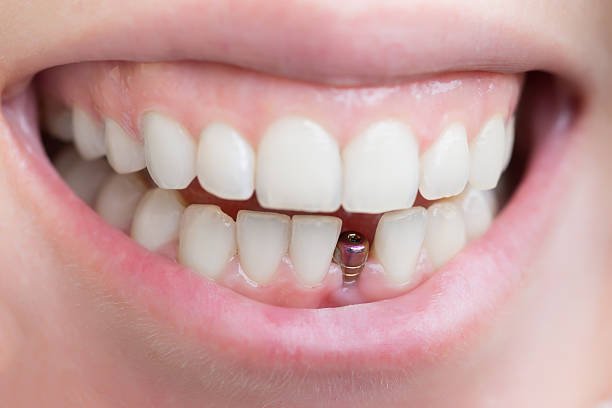
A dental implant consultation usually takes between 30 and 60 minutes. During this time, the dentist evaluates your oral health, reviews your medical history, and discusses the most suitable treatment options.
If you have recent dental X-rays or medical records, it can be helpful to bring them to your consultation. However, the clinic can also perform new imaging if necessary.
No, a dental implant consultation is completely non-invasive. It mainly involves a dental examination, discussion about your oral health, and possibly diagnostic imaging.
Yes, after the evaluation the dentist will explain the recommended procedures and provide a personalized treatment plan. This plan outlines the steps, timeline, and expectations of the implant treatment.
Yes, many international patients begin with an online consultation before traveling to Albania. This allows the dental team to review your case and help you plan your dental trip more efficiently.
Ready to start your dental implant journey? Contact City Dental Clinic to schedule your consultation and receive guidance for your treatment plan and dental trip to Albania. The clinic supports international patients with professional care and clear communication from the first contact.
Contact Information

