
The temporomandibular joint is an important joint of the human body that connects the jawbone to the skull, specifically the temporal bone which is found in the front of the ears. This joint regulates the normal functions of the mouthlike speaking, jawning and chewing.
Additionally, this joint allows the mouth to move up and down and side to side, making it one of the most complex joints of the whole human body. Sometimes people can experience issues related to the temporomandibular joint and the cause of them cannot be easily determined.
If you are dealing with TMJ disorders this can be due to a combination of factors including genetics, injuries, or arthritis. Bruxism can also be a contributing factor but this is not always true because several people who grind and clench their teeth have never developed this kind of disorder.
In this blog post, we will address any questions you might have regarding TMJ disorders including the symptoms, causes, and treatment.

The two joints that attach your lower jaw to your skull are called temporomandibular joints (TMJ). More precisely, these are the mandible (lower jaw) and temporal bone (side and base of the skull) joints that move and rotate toward the front of each ear. The TMJs are some of the most complicated joints in the body.
With the help of several muscles, the mandible will be able to move up and down and side to side so you can eat, talk, swallow, and yawn properly. In cases when these muscles and bones are not properly aligned with each other, several issues can occur including not synchronized movements of the jaw, pain, and discomfort.
When it comes to issues related to TMJ disorders, they will affect your jaw joints including the muscles related to it. The first signs of this disorder will be jaw pain, headaches, and difficulty performing normal functions with your mouth.
This disorder is very common among adults especially between the ages 20 to 40. Studies have also shown that women are more prone to suffer from TMJ disorders than men.
Some of the most common symptoms of TMJ disorders include:
As we mentioned before the temporomandibular joint moves in a sliding motion. The cartilage covering the interacting sections of the bones is separated from them by a thin shock-absorbing disk, which helps to maintain smooth movement. The main causes of TMJ disorder, include:
Besides these three factors being the main causes of TMJ disorders, in most cases, the reason why this happens is not very clear. Sometimes it can also be a combination of several factors.
You will be at a higher risk of developing TMJ disorder if:
Diagnosis for TMJ disorders is not very simple since many conditions have similar symptoms. In order to find out what is causing these symptoms you should consult with a dental specialist. The final diagnosis will be decided after the dentist knows all about your health history and conducts the proper examination exams.
When you move your jaw joints, they will listen for clicks, pops, or grating noises and feel for any soreness or pain. Additionally, they’ll check to see if your jaw locks when you open or close your mouth. Furthermore, they will assess your bite and look for face muscular issues.
Complete facial X-rays can help your dentist rule out additional conditions by giving them an overview of your teeth, jaws, and TMJs. Additional testing, such as an MRI or CT scan, could also be required.
If your jaw moves properly and the TMJ disc is in the right place, the MRI will show it clearly. A computed tomography (CT) scan on the other hand will be able to reveal the joint’s structural integrity.
If additional care is necessary, the dentist can refer you to an oral surgeon also known as a maxillofacial surgeon. These specialists are experts in treating disorders related to your mouth and jaw area. In some cases, the expertise of an orthodontist may also be needed.
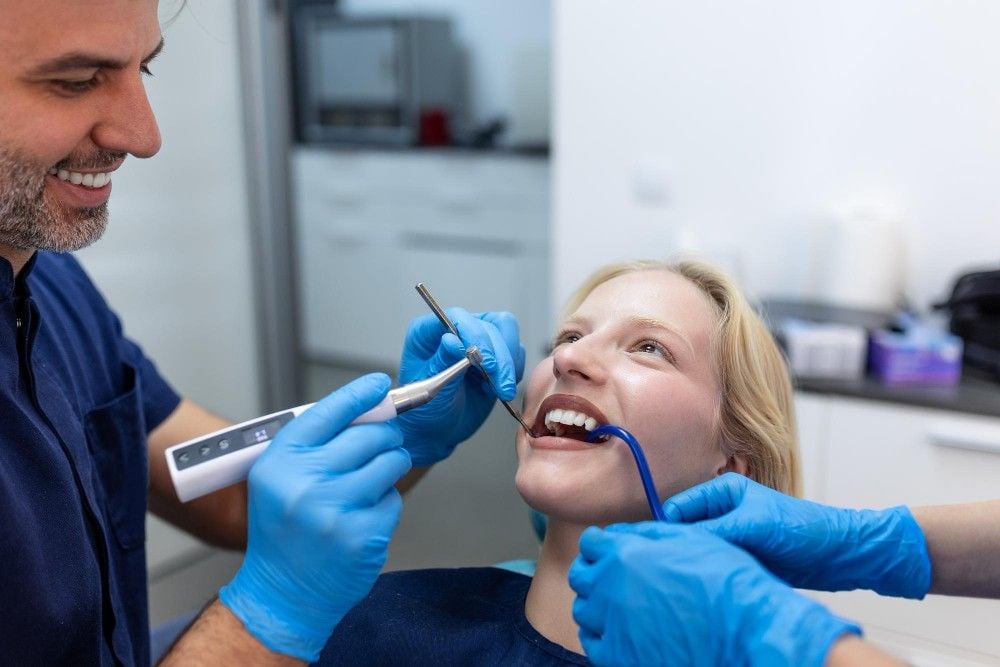
When it comes to TMJ disorders, sometimes treatment will be necessary, and other times the symptoms can go away without the need for professional treatment. If you notice that your symptoms are persistent and they are causing you pain and discomfort it is important to consult with a professional dentist in Albania.
Besides surgical treatments, symptoms of TMJ disorders can be relived by certain medications including:
Some additional therapies that can help with TMJ disorder symptoms include:
It is very important to understand and be educated about TMJ disorder and what are the causes of it. By understanding the causes and symptoms you will know better what to avoid. Some of these behaviors that can worsen the symptoms include biting the nails, grinding the teeth, and leaning your chin.
If there is no other solution to TMJ disorders then your doctor will recommend surgical procedures. Some of the most common procedures used to treat this disorder include:
One of the major treatments for TMJ issues is arthrodesis. Needles are inserted into the joint fluids during this minimally invasive technique. In this way, dirt and inflammatory byproducts may be eliminated from the joint by irrigating it with fluids.
Another great way to reduce symptoms of TMJ disorders is injection. These injections include botulinum toxin as a muscle relaxant. After 1 week to 10 days, you will notice that your joints will feel much more relaxed.
Arthroscopy of the TMJ. When treating different kinds of TMJ issues, arthroscopic surgery may occasionally be just as successful as open joint surgery. An arthroscope is introduced into the joint area, a small, thin tube known as a cannula is inserted, and tiny surgical instruments are utilized to perform the procedure. Compared to open joint surgery, TMJ arthroscopy carries fewer risks and problems, but it still comes with limitations.
Open joint surgery is another way to treat TMJ disorders. This surgery will be necessary in cases when more conservative treatments are not effective. The aim of this procedure is to replace or repair the joints. If you are considering open joint surgery it is important to discuss it with your dentist since it involves several risks and all pros and cons should be understood.
It is very important to be aware of which actions worsen the symptoms of TMJ disorders. These include clenching the jaw, grinding the teeth, or chewing different objects. By reducing the frequency of certain actions you will feel much better. Furthermore, we have included several tips that can help you reduce the symptoms of TMJ disorder.
It is important to not overuse the jaw muscles. This means you have to eat soft foods that don’t require a lot of chewing. It may also be helpful to cut the food into small pieces and avoid sticky or chewy foods. Chewing gum should also be avoided since it requires a lot of movement of the jaw.
Massage and stretching may also be useful in strengthening the jaw muscles and relieving pain. Your doctor or dentist might show you how to properly do it and you can try it at home.
If you feel pain or your muscles feel tired due to TMJ disorders, using warm, or cold towels in the jaw, may help reduce pain. This remedy works great for short periods of time.

Before opting for surgery we will mention 8 tips that can help you relieve pain if you are suffering from TMJ disorders. This will also help manage the many symptoms that this disorder comes with.
If you suffer from TMJ disorder and it causes you pain it is very important to try and avoid unnecessary jaw movements. This includes yawning, chewing big bites, and yelling. We know it is difficult but it is important to try and keep the muscles as still as possible.
Your posture also plays an important role when it comes to TMJ disorders. If your job requires you to sit for long periods of time the pain may become more persistent.
To correct your posture, choose a chair that supports your back when working and take regular breaks. When driving, position your seat as straight as possible.
When engaging in leisure activities, such as reading or watching TV, find a spot where you can sit up straight and then support your back with a cushion.
Sleeping is very important and it affects every aspect of your body, including jaw disorders. The best sleeping position would be on your back since the pillows will support your neck.
If you sleep on your side you should avoid placing your hand on your jaw. Also, you should avoid sleeping on your stomach to avoid contact with the jaw.
Stress is a contributing factor to TMJ disorder pain. It is important to try and relax your jaw and find ways to reduce stress. Try exercising or engaging in relaxing activities that will calm your mind.
There are a few bad habits that can worsen TMJ symptoms and some of them include:
As we mentioned before there are certain activities and food you should avoid in order to reduce pain and additional issues. These include the following actions:
When someone is diagnosed with TMJ disorder, there can be several different reasons for it. One of the most common causes is teeth grinding and jaw clenching also known as bruxism. Stress can also be a detrimental factor for TMJ.
Additional factors that can cause someone to suffer from TMJ disorders are injuries or accidents that affect the jaw. Once the dentist determines the cause of this disorder it will be much easier for them to find the right treatment.
As time passes, if you dont find the right treatment for TMJ disorder, the symptoms will most likely worsen meaning that you will experience more pain and discomfort. This also means that the treatment for patients who have waited for too long will be more invasive and it will take a longer time.
At City Dental Clinic in Albania, we advise our patients to book a consultation as soon as they notice the first symptoms. This way we make sure that the disorder will be properly managed and the symptoms won’t return.
TMJ disorder is more common in women than in men and the age group that is included is between 18 to 44. There are several risk factors that can increase the chances of someone being diagnosed with this disorder which include poor neck posture, previous accidents and injuries and not treating crooked teeth.
If you notice any of the above-mentioned symptoms, it is important to consult your dentist. They will help you avoid them and find the right treatment before the condition worsens.
Although TMJ disorders will last a lifetime, they can be reduced greatly with the help of medication and surgeries. Your dentist will design a personalized treatment plan which will greatly reduce the symptoms and you will continue living a normal life.

