
Teeth development in children happens in different phases, and it is usually accompanied by misalignments or biting issues that require orthodontic treatment. The most common question that parents ask the dentist is: “ When is the right time for my child to get braces or Invisalign?”
Thanks to modern technology and the careful approach that specialized clinics in Albania, such as City Dental Clinic, offer, kids will follow efficient treatments suited to their specific needs, either with fixed braces or with Invisalign for your little ones.

Correcting teeth alignment in childhood helps create a healthy bite and jawbone development. The earlier orthodontic issues are identified, the easier and more effective the treatment will be.
Dental misalignments at an early age can negatively impact speaking, eating, and the child’s self-esteem. Early treatments help avoid further complications and prevent the need for more complex treatments in the future.
Besides anesthetic improvements, a straighter dental structure makes teeth cleaning easier and prevents their decay. Misaligned teeth create hard-to-clean areas and increase the risk of cavities or gum inflammation.
Treatment in childhood takes advantage of the fact that the jawbones are still developing, making it easier to straighten the teeth. Therefore, orthodontists recommend early evaluations to determine the right time to start the orthodontic treatment.
The American Orthodontic Society recommends that children have their first orthodontic visit around the age of 7. During this age, permanent teeth start to develop, and it is easier to identify possible issues.
Even though the child might not have any complaints, an orthodontic examination during this stage can identify hidden issues in biting or uneven jaw growth. Early diagnosis helps prevent complications and makes the treatment easier.
In some cases, the orthodontist might only recommend monitoring of the mouth every now and then for several years. This preventative approach will make future treatment quicker and more effective.
Earlier visits are also more effective for kids who have the habit of sucking their fingers, which might affect the teeth and jaw shape. The orthodontist might recommend ways to eliminate these habits before they cause long-term damage to the mouth.
If parents notice overcrowded teeth, unusual bites, or teeth that don’t fall out at the right time, they should not wait until the child is 7 years old. The consultation at the orthodontist can be done earlier if there are any unusual signs.
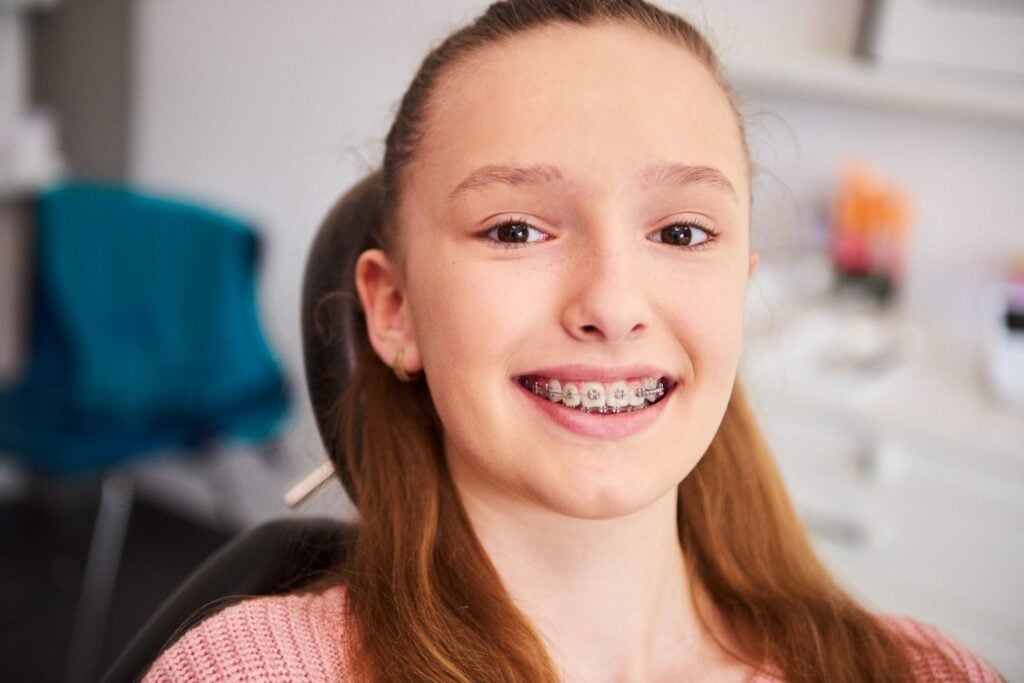
If you notice any of the situations below, it may be time for an orthodontic checkup:
Overcrowded or spaces between teeth: Teeth that are really close to each other or teeth that have spaces between them are one of the most common signs that indicate the need for orthodontic treatment.
Misaligned bite: If upper or lower teeth don’t properly fit when the child closes the mouth, they can have an overbite, underbite, or crossbite.
Difficulties while eating or speaking: Orthodontic appliances help in cases when the child faces difficulties while eating or speaking due to incorrect tooth position.
Teeth that erupt before baby teeth fall: When a permanent tooth starts to develop while the baby teeth have not fallen yet, this is a sign that should be examined by the orthodontist.
Habits that affect tooth development: Sucking the thumb, mouth breathing during sleep, and the use of a pacifier for a long time can deform the bite and the jaw.
Asymmetrical face or jaw: If one side of the face looks more developed than the other or if you notice uneven movement while speaking, this can be a result of unbalanced jaw development.
Missing space for the new teeth: When new teeth have no space to develop due to overcrowding, this can lead to crooked positioning and displacement of other teeth.
When it comes to choosing between traditional braces and Invisalign treatment for your kid, it is important to understand the difference between the two. Both options are effective, but each has its own advantages and disadvantages depending on the child’s needs and everyday routine.
For children who don’t have severe orthodontic issues and are responsible, Invisalign is a modern and comfortable solution. In more complex cases or when maintaining discipline is hard, fixed appliances such as traditional braces remain the most practical solution.
Orthodontics at specialized clinics, such as City Dental Clinic, can help parents choose the best option according to the child’s age, level of cooperation, and needs.
The ideal age to start orthodontic treatment will change depending on the issues that the child is facing, but it usually starts between the ages of 7 to 12 years old. This is the period where permanent teeth start to grow, and the jaw is still developing.
In some cases, the orthodontist can recommend an early treatment from the age of 7–8 years old, especially when there are issues with the jaw development or bite. This treatment helps with the development and creates enough space for the permanent teeth.
Traditional braces or Invisalign will usually start between the ages of 10–12 years old, when most of the permanent teeth are present. During this phase, the full treatment will be planned, and the results will be more stable.
Every child is different, so age is not the only factor that decides the right time for the treatment. Regular check-ups and monitoring of the process by an orthodontist are the key to deciding the best moment to start the treatment.
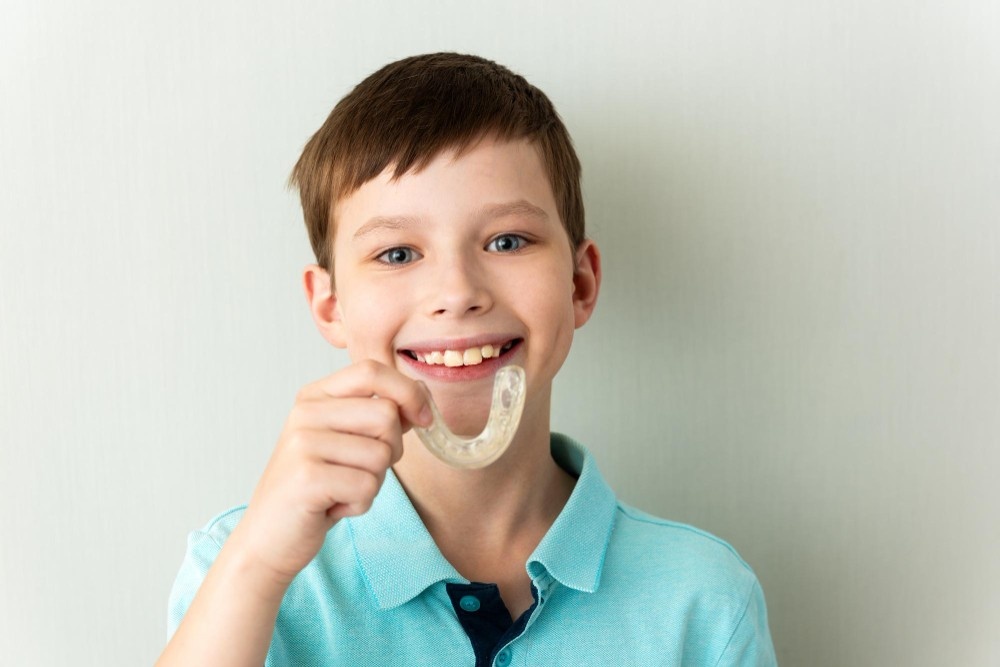
Yes, Invisalign treatment is safe for kids, especially when monitored by a specialized orthodontist. There is a specific version known as Invisalign First, created especially for kids who are in their first stages of the development of permanent teeth.
The material used for composing the aligners is soft, without BPA, and it is built to be comfortable and hypoallergenic. It doesn’t cause damage to the gum line and does not irritate the mouth, as it happens with metallic braces.
Another advantage is that the aligners are removable, which makes it easier for the child to maintain full oral hygiene. Teeth cleaning is easier, and the risk of caries or inflammation is lower than in fixed appliances.
However, the success of the treatment depends on the kids’ commitment to keep the aligners on for 20-22 hours a day. Therefore, the orthodontist will assess whether the child has the age, maturity, and discipline to successfully follow the treatment.
Radiography and 3D scans are 2 essential tools for diagnosing and planning the orthodontic treatment for kids. They help orthodontists assess not only the actual position of the teeth but also the inner structure of the jaw and dental roots.
Panoramic radiography offers a full view of the mouth structure, showing whether the permanent teeth are developing as they should or if they are located at the right position. They also identify whether there are any missing or blocked teeth or if they are erupting in the wrong position.
3D scans on the other hand, create a precise digital model of child’s mouth. This model helps in the projection of the orthodontic appliances, especially in cases of Invisalign treatment, where every aligner is created based on the real shape of the teeth.
These technologies increase the precision of the treatment and make planning much more personalized. In a good, well-equipped clinic such as City Dental Clinic, these scans don’t cause pain and are quick and with minimal exposure to damaging rays, making them safe even for little children.
The durability of the orthodontic treatment for kids will depend on the nature and the complexity of the dental issue, but it will usually last 12 to 24 months. In less severe cases, the treatment will even be completed in less than a year, while more complex cases require more time.
Children who start treatment at an early age may follow a two-stage treatment: a short first phase aimed at guiding jaw growth and a second phase later, when all permanent teeth have erupted. This approach often makes treatment easier and more effective in the future.
The treatment for fixed traditional braces requires more time, frequent visits to the orthodontist, and adjustments. While with Invisalign, the treatment will be shorter if the child is careful and keeps the aligners on for 20–22 hours a day, as recommended.
Regular visits to the orthodontist are essential for monitoring the progress and for any necessary adjustments. With discipline and the help of a good specialist, kids can have a straighter smile in a shorter amount of time.
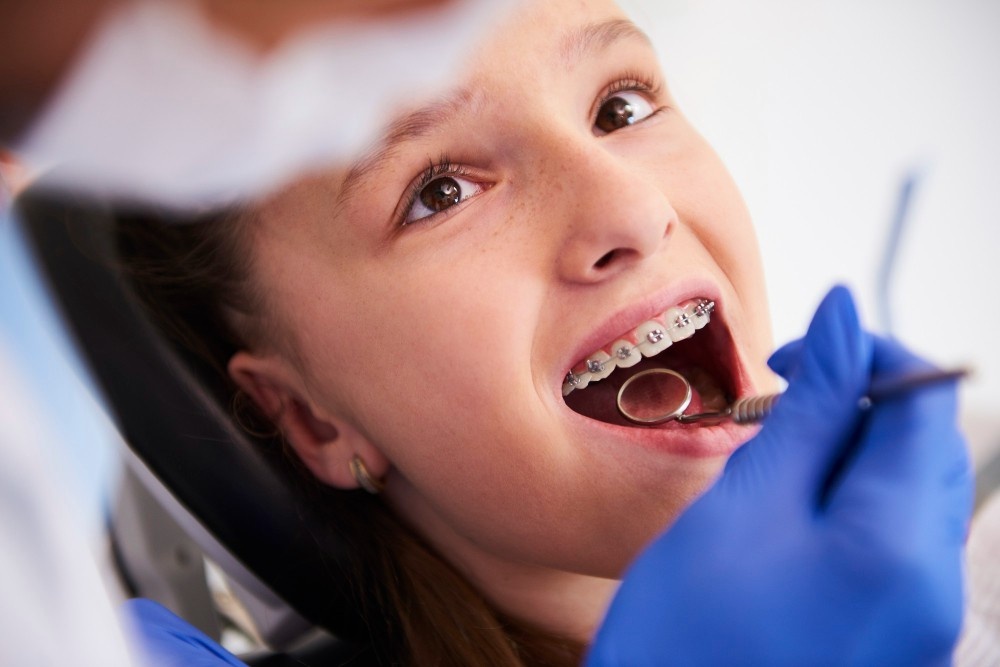
Furthermore, we will mention some instructions and what parents should keep in mind during their child’s orthodontic treatment:
Regular maintenance of the orthodontic device
Oral hygiene day by day
Avoiding damaging foods
Regular visits to the orthodontist
Emotional support
If you are looking for the most suited orthodontic treatment for your child, whether fixed braces or Invisalign, a professional consultation is the first step toward the perfect, healthy smile.
City Dental Clinic equipped with modern technology and specialized orthodontics, offers personalized assessments for kids at every age. You can book a consultation by phone, email, or by completing the online form on the clinic’s website.
📞 Contact: +355 69 26 07 607
📧 Email: info@cdc.com.al
🌐 Website: www.cdc.com.al/en
Don’t wait for orthodontic issues to become worse with time. Contact us today and find out what the safe and more efficient way is to improve your child’s smile.

