
Do you have any missing teeth and are looking for a way to replace them? Dental implants will be the right way to go.
They are the best treatment when it comes to replacing severely damaged and missing teeth since they are durable and very long-lasting. Besides the many benefits that this procedure offers there are some factors that can affect the results.
One of these factors is bad habits such as smoking which has a great impact on dental implants. If you think that you can continue smoking even after the procedure, we recommend you take a look at this blog post.

Dental implants are small posts made of titanium that are placed into the jawbone to replace missing teeth. They create a strong foundation for prosthetic teeth and help restore both the function and aesthetics of your smile.
Here is a look at every step involved in this treatment:
Initial Consultation and Examination
The first step of any dental procedure is the initial consultation and examination. This step will help the dentist examine the condition of the mouth, teeth and gum tissues. During this time they will also explain how smoking will impact dental implants and decide whether this is the right treatment for you or you should consider another one.
Planning and Preparation
Once the dentist decides that dental implants are the right treatment for you, they will start creating a personalized treatment plan. This can include X-rays, CT scans and 3D images. This way they will determine the bone density and also examine if there is a need for additional procedures such as bone grafting.
Implant Placement
After taking into account every step of the process the dentist will start the placement of the implant into the jawbone. The procedure will start with a small incision in the gums so there is clear access into the bone. Afterwards, a special drill will be used to create a small hole to place the dental implant.
Osseointegration
One of the most important aspects of the dental implant procedure is the osseointegration process. Once the implant is placed, it will take about 3 months or more to integrate. If the process is successful, the implant will blend with the bone, offering a stable foundation and serving as the tooth root.
Abutment Placement
If the implant fully integrates with the bone, the dentist will then attach the abutment, which serves as the connector of the crown and implant. This provides a stable foundation for the new tooth root.
Replacement Tooth
After the abutment is secured, the dentist will place the prosthesis, which is usually a crown. This crown will be customized based on the client’s other teeth’s size, shape and colour. Once the procedure is done, you will have a natural-looking tooth and functional results.

At City Dental Clinic in Albania, the success rate of dental implants is very high going up to 90-95%. As you can see this procedure can be very safe, although it is important to choose a professional dentist.
Besides choosing the right dental surgeon it is also important to practice good oral hygiene. This will maximize the chance of success after the procedure. Your oral routine should include flossing, brushing and visiting the dentist at least twice a year.
Additionally, other important factors to consider are lifestyle habits and medical conditions. Smoking is a great risk factor when it comes to the success of dental implants as it can interfere with the recovery period.
Although our dentists in Albania strongly advise patients to quit smoking before dental implants, it is easier said than done. Many people find it very difficult to stop these bad habits for different reasons, such as stress, as it can serve as a coping mechanism.
However, if you find it so difficult to quit smoking altogether you can try stopping it for a period of time such as the osseointegration period. Keep in mind that there is still a high risk of bone loss even after this period, and as time passes, it is just a matter of time before the prosthesis falls.
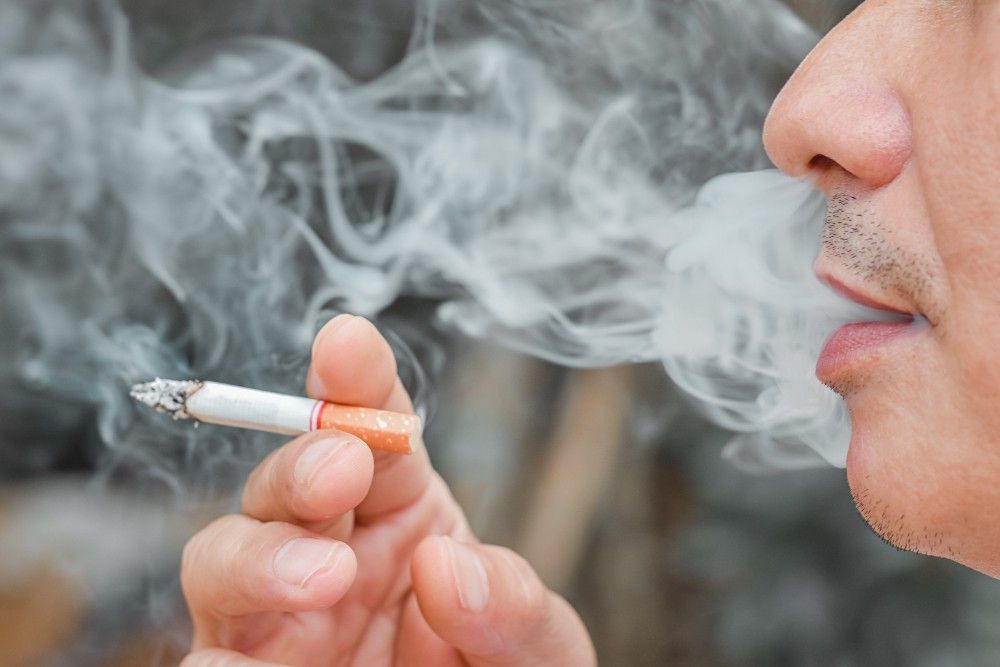
The main effect that smoking has on dental implants is due to the fact that nicotine and its byproducts can narrow the blood vessels in the mouth area. This will result in:
It is important to understand that in order for the dental implant procedure to be successful, the jawbone will need to be healthy and strong. There are several factors that can impact the jawbone and smoking is one of the main ones. If this habit continues even through the osseointegration process, this will result in complications that will lead to implant failure.
If the dental implant procedure is performed by a professional dentist and every aspect is taken into consideration, failure is very rare. However, the risk is higher for those who smoke regularly and do not care to follow post-surgery guidelines.
Here are some of the symptoms you can experience that can indicate an implant failure:
If you notice any of the above-mentioned symptoms, it will be a good idea to contact the City Dental Clinic in Albania. Getting the right treatment as soon as possible will help prevent more serious issues and help you maintain proper oral health.

Smoking does not go well with dental implant procedures and the complications that this combination can lead to can be very serious. Here are some of the most common risks that smokers can face if they don’t quit during the treatment:
Smoking can definitely be a contributing factor to implant failure. This is due to the fact that the chemicals found in tobacco have a bad effect on the blood supply in the treated area, which is necessary for proper healing.
Smoking can directly affect the osseointegration process which is the time when the titanium post fuses into the jawbone to create the necessary foundation for the implant. If this process is not completed, the stability and success of the procedure will be compromised.
Smoking can affect our immune system due to the harmful chemicals that it releases such as nicotine. Once the immune system gets weaker the chance of infection will increase.
As a result, people who get dental implants and smoke at the same time will face compromised healing capacity making the healing process slower and a higher risk of getting an infection. This will delay the healing process and it will call for the need for other dental interventions.
Dental implant procedure comes with its own set of risks and smoking can increase their likelihood. This habit will directly affect the gum tissues, causing prolonged inflammation in the treated area. This will lead to severe damage in the soft tissues around the implants, causing their failure. This condition is also known as peri-implantitis.
Smoking will delay the healing process due to the chemicals that it releases in the body. Note that these chemicals have direct contact with the mouth which makes the effects more severe. Smoking affects blood flow and oxygen supply which are both important for proper tissue regeneration.
When it comes to the success of the dental implant procedure, smokers have a higher risk of failure than those who don’t smoke. This is due to the fact that smoking directly interferes with the healing process and integration of the implants in the jawbone. So if you want to replace missing teeth it is important to consider quitting this harmful habit.
If dental implants don’t integrate with the surrounding bone tissue the procedure is considered non-successful, and smoking plays a huge role in this process. Additionally, this habit will lead to bone loss as time passes. This is due to the fact that the chemicals found in cigarettes contribute to this issue, depriving oxygen in the area.
Another bad effect that smoking has on oral health is the disruption of the salivary gland function. When the mouth gets dry, it becomes a great environment for bacteria to grow. The following are some dental disorders that smokers are more likely to develop:

If you cannot quit smoking before going through with dental implants it is important to at least understand in which phase the risk is higher. Firstly it is recommended to quit smoking at least 3-4 weeks before the surgery. Here’s why:
During the initial healing phase
After the first 3 days after the dental implant surgery, it is very important to stop smoking altogether. The risk of infection and prolonged healing will be increased since the chemicals can disrupt the blood flow in the treated area.
During the osseointegration phase
After successfully placing the implant into the jawbone, it will take about 3-6 months for it to fully integrate. If you continue smoking the process can take longer and the implant will not fully stabilize leading to failure.
If you are considering going through with dental implants, it is highly recommended to quit smoking. This will be necessary if you want a successful procedure and a smoother recovery.
If quitting it altogether is difficult for you, you can try and refrain from it for at least a period of time, until the implant is fully integrated. This will give time for your body to fully accept it and adjust to the changes.
During the initial consultation with a dental professional here at City Dental Clinic in Albania, you will be advised on how to take care of your teeth after the procedure and this will also include quitting smoking. If you are not willing to do so, most likely you will be advised to consider another procedure.
Even if your dental implant procedure is successful and they fully integrate with the jawbone, smoking will reduce their lifespan. Many studies show a significantly higher risk in smokers ranging from 6.5% to 20%, than in people who don’t smoke.
As we mentioned before, the reason behind this is the chemicals found in cigarettes such as nicotine that limit blood supply in the gum area, slowing down the healing and making it more difficult for the implants to properly fuse.
Before going through the procedure, your dentist in Albania will provide the necessary steps and advice to follow for better healing. This will include maintaining proper oral hygiene and also refraining from smoking.

Even though smoking increases the risk of implant failure, some people find it impossible to quit. First off the best thing to do is to at least try to reduce it as much as you can. Additional tips regarding implant maintenance include:
Brush your teeth every time you smoke
Smoking has a great impact on the mouth as it can lead to several complications including gum disease. If possible we recommend brushing your teeth every time you smoke or rinsing the mouth with water regularly.
Use fluoride toothpaste
Another effect that smoking has on the mouth is reducing saliva production. Saliva is very important for a healthy mouth and when it is not in its optimal levels it can lead to cavities and gum disorders.
We recommend that our patients use fluoride toothpaste, as it effectively addresses these concerns. It helps restore essential minerals and strengthens tooth enamel, reducing the risk of dental issues.
Visit your dentist regularly for check-ups.
Smoking will also impact our immune system and increase the chance of plaque buildup. If this is the case the body will find it more difficult to fight bacteria and infections or prolong the healing process.
The best thing to do if you have dental implants and smoke is to visit the dentist twice a year. They will be able to diagnose issues before getting worse and prevent more serious damage.
If you live in Albania or are willing to travel to this beautiful country for dental implants, schedule an appointment at the City Dental Clinic in Tirana. Our professional dentist and surgeons will provide the best dental implants that will not only improve your physical appearance but will also function the same as your natural teeth with a success rate of 98%. Contact us today.
Some individuals might require additional procedures such as bone grafting before going through with dental implants. Several studies show that smoking also has an effect on the success of this procedure due to the reduced blood flow which is necessary for proper healing.
Dental professionals recommend quitting smoking several weeks before and after the dental implant procedure. This is essential if you want a healthier recovery process without the risk of potential complications.
As you may have now understood, people who smoke are at a higher risk of implant failure compared to those who don’t. The rate of this risk ranges from 6.5% to 20%, which is considered high.
The reason behind this is that cigarettes have damaging chemicals inside, such as nicotine which directly affect the blood flow in the treated area. Healthy blood flow is essential for the proper healing of the gum tissues. If you are not willing to quit smoking it is recommended to consider other procedures, which might work better for you.

