
Dental implants are one of the best procedures in dentistry. Not only will they replace missing teeth and look perfect but they will also provide functional benefits.
However, the implant placement procedure is complex, especially in cases when the whole upper jaw needs to be replaced. Sometimes there are additional procedures required to provide successful results that will last for a long time.
Besides bone grafting, we also have a sinus lift. This additional procedure is usually recommended in cases when the patient doesn’t have enough bone height in their upper jaw to create a stable foundation for the implants to hold onto.
If you are considering dental implants and want to make sure you are suitable for them or if other additional procedures are needed, this blog post will be a great way to start. Furthermore, we will explain the sinus lift procedures step by step and the many benefits that they offer.

Sinus lift also known as sinus augmentation is an additional procedure used in dental implants for patients who want to replace the missing teeth in their upper jaw but don’t have enough bone to support them.
The main purpose of this procedure is to increase the amount of bone specifically in the area of the molars and premolars. The dentist will then aim to lift the sinus membrane and place the bone graft in the space that is created.
Once this procedure is done the patient who once had insufficient bone height will have a solid foundation to safely hold the dental implants.
It is important to know that the maxillary sinuses are located above the upper jaw and since they are so close this can be a challenge for the dentist if the patient wants to replace the missing teeth with dental implants.
One of the main causes that call for the need for a sinus lift is in cases when we miss natural teeth or several, if they are not replaced at the right time the bone that supports them will begin to resorb or shrink.
Once this happens the bone height begins to reduce even further due to the expansion of the sinus cavity, leading to insufficient bone structure for the implant to hold into.
In this specific case, the sinus lift procedure is the only way to ensure the success of the dental implants. This procedure will provide the amount of bone height so that the implants are placed safely.
If this additional procedure is not performed and the bone density or height is not addressed this can lead to several issues including implant failure, instability, and patient discomfort.
In order to understand if this procedure will be necessary for you, the dentist will recommend you go through several steps including X-rays or CT scans. This way they will have a perfect look at your jawbone and asses the bone structure and the sinuses’ proximity.
This step will also be essential in planning the right steps to follow and ensuring that the sinus lift is carried out precisely if needed. Additionally, this will lead to successful implant integration and perfect new teeth.
The sinus lift procedure will be necessary in cases when the patient has insufficient bone height and wants to replace their teeth with dental implants. There are several reasons that will call for the need for a sinus lift. Some of these include:
Not enough bone height: This is one of the main reasons why the dentist recommends the sinus lift procedure. Usually, this can be caused by several factors like natural bone loss and jaw structure issues.
Periodontal disease: If the patient is diagnosed with advanced periodontal disease this can lead to damage to the bone tissue around the teeth. In some rare cases, this bone loss will affect the upper jaw leading to insufficient bone structure for the implant to hold into.
Aging: As we grow older, our whole body changes including our mouth. In some cases, the maxillary sinus may expand which is a condition known as sinus pneumatization. This will cause the bone in the upper jaw to decline making it difficult for the implant to stay in place without additional procedures.
Tooth loss: When we lose our teeth, the bone that supports them begins to decline and resorb. As time passes this bone loss can become more prominent and the upper jaw is mostly affected leading to adequate bone structure. This will eventually make the implant placement impossible without additional procedures performed beforehand.

To make sure whether a sinus lift procedure is necessary the dentist will need to perform several diagnostic procedures including:
X-Rays: Dental X-rays are the best way the dentist can have a clear view of the bone structure of the upper jaw. This way they will identify the extent of the bone loss and how close the sinus cavity is to the implant site.
CT Scans: Another technique that dentists use to identify whether a sinus lift is necessary is the CT scans. They offer a more detailed, 3D image of the whole mouth including the sinus cavities. This technique allows the dentist to have a precise measurement of the jawbone height and density which is a must before dental implants.
Clinical Examination: Before going through with the sinus lift procedure and even with the other diagnostic tools the first step of any procedure will be a clinical examination. This will allow the dental professional to assess the patient’s oral and medical history while closely examining the condition of the remaining teeth and soft tissues.
The sinus lift procedure is divided into two main techniques which are: the lateral window technique and the closed sinus lift medically known as the osteotome technique. Both of these techniques offer great results when it comes to the dental implant procedure and the choice will depend on the patient’s specific needs and the amount of bone that needs to be augmented.
First, we will start by explaining the surgical technique of the lateral window sinus lift. The procedure will start by making an incision in the gum tissue so that the lateral wall of the maxillary sinus is exposed.
Second, the dentist will make a small “window” in the bone to have access to the sinus membrane. Once they have a good look at the area they will gently lift the sinus membrane away from the jawbone so there will be enough space for the bone graft.
The bone graft will then be placed in the newly created space between the sinus membrane and the jawbone and will be sutured back in place. This way the graft will be protected and it will promote better healing.
Advantages: After the procedure is done the patient will have enough bone height to support the dental implant that will be placed. This will be the perfect procedure for those patients with severe bone loss.
Disadvantages: One of the difficulties that a lateral window technique poses is the fact that it is more invasive and the healing period will take a longer time. Additionally, there is a higher risk for a hole to form in the sinus membrane as the procedure takes place, due to the nature of the technique.
The first step of the closed sinus lift also known as the osteotome technique is making a small incision in the gum tissue at the implant site. This procedure gets its name because the dentist will use small special instruments called osteotomes to gently tap the bone at the base of the sinus cavity.
This pressure applied through this action will gradually lift the sinus membrane. The next step will be placing the bone graft material through the implant site to further lift the sinus membrane and create space for the implant to be placed.
Additionally, in some cases, the implant can be placed at the same time as the bone graft is performed eliminating the need for several steps.
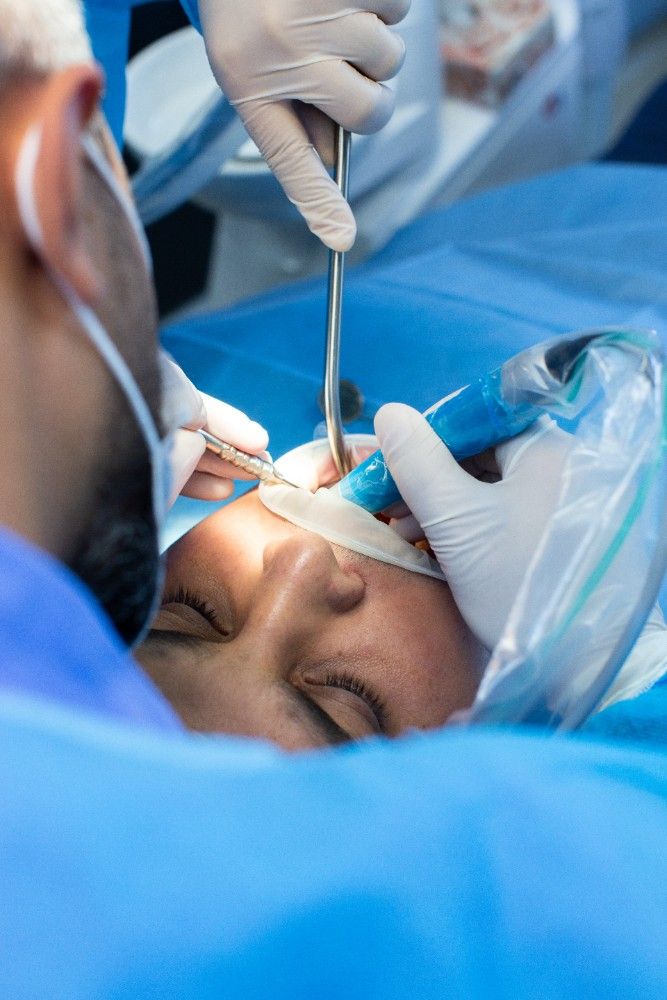
Advantages: The main advantage of the osteotome technique is that it is less invasive than the lateral window technique. This additionally means that the recovery time is shorter and the risk of complications will be lower. This procedure will be perfect for those patients who are not dealing with severe bone loss but their case is moderate.
Disadvantages: Since this technique is only used in moderate cases the height increase that it provides is not as much as with the lateral window technique. Additionally, this procedure needs to be performed by a professional dental surgeon since it takes specific skills to avoid damaging the sinus membrane.
The choice between these two procedures will depend on several factors including the extent of the patient’s bone loss their overall health and what the dental clinic provides.
At City Dental Clinic in Albania, we use the lateral window technique in cases when the patient has significant bone augmentation, while in cases of moderate bone loss, we recommend the osteotome technique since it is less invasive.
Additionally, some other factors that should be considered before making the right choice include the patient’s age, sinus anatomy, and previous medical history. After examining each factor the dentist will choose the right procedure for you to make sure they provide the right height and density of jawbone to support the dental implants.
Understanding the differences between these two sinus lift techniques will help you make a better decision and achieve the best possible outcomes from dental implants.
The post-operative aftercare after the sinus lift is one of the most important parts of the process. Here are some of the things you should know before considering the procedure:
The sinus lift procedure is an important part of the success of dental implants in the upper jaw area. However keep in mind that the procedure needs detailed planning, the expertise of a skilled surgeon, and proper post-operative care. By taking every factor into consideration you will achieve the perfect results that pave the way for improved oral function and aesthetics.
Like every surgical procedure, the sinus lift will also have its own advantages and disadvantages. Understanding these risks and benefits will be very helpful for you in making the right choice and preparing as you should for the procedure.
One of the main and most important benefits of the sinus lift procedure is increasing the chance of success for the dental implant procedure in the upper jaw area. By increasing the height and the density of the bone the implants will have enough foundation to hold into.
A successful dental implant procedure means that the implants will hold in place and the chance that they will fail over time or become unstable is minimal. This means that the implants will stay in place for a long time and hold the pressure properly.
As we mentioned before, if the dental implants are properly supported and have sufficient foundation they will function and look just like natural teeth. After the procedure, you will be able to chew and speak normally. Also, they will look the same as natural teeth improving the aesthetics and boosting self-esteem.
One of the things that can go wrong with the sinus lift procedure is the perforation of the sinus membrane. Although this can be repaired it requires additional procedures and it will delay the healing process.
The risk of infection is possible with every procedure and this also includes the sinus lift. To minimize this possible risk the dentist will prescribe antibiotics and advise on how to take care of the mouth.
In some rare cases, the bone grafting will not integrate properly with the existing bone, and if this happens rejection or resorption of the graft can call for the need of additional procedures.
After the sinus lift procedure, side effects such as pain swelling, and bruising are normal. Usually, they will go away on their own or with the help of medications.
While some level of bleeding is normal after the sinus lift procedure if it gets worse and it doesnt stop this can be a cause of concern. In these cases, it is important to consult your dentist as soon as possible.
Allergic reactions are very rare but still possible. Sometimes these reactions can either happen from the material used in the bone graft or due to anesthesia.
Although risks are a possibility with both types of sinus lift procedures, there are some things that can help you manage or minimize them, including:
Choosing an experienced surgeon who has the right skills to perform these procedures is very important. Not only will this reduce the risk of complications but it will also make sure that the patient remains safe and the procedure is successful.
When it comes to the success of the sinus lift procedure, pre-operative planning is very important. Before going on with the procedure the patient will go through several diagnostic evaluations and careful planning of every step. This way the surgeon will prepare the strategies to address every issue and help avoid them.
Also, another important factor when it comes to minimizing the risks of the sinus lift procedure is regular follow-ups. Attending every dental appointment will allow the dentist to monitor the healing process and identify if anything is wrong.
Understanding the risks and the benefits of the sinus lift procedure will not only help the patient with the success of the dental implant but will also help them set realistic expectations of what to expect through every step of the procedure.
Eventually this will lead to successful outcomes and proper integration of the dental implants that will last for a very long time.

