
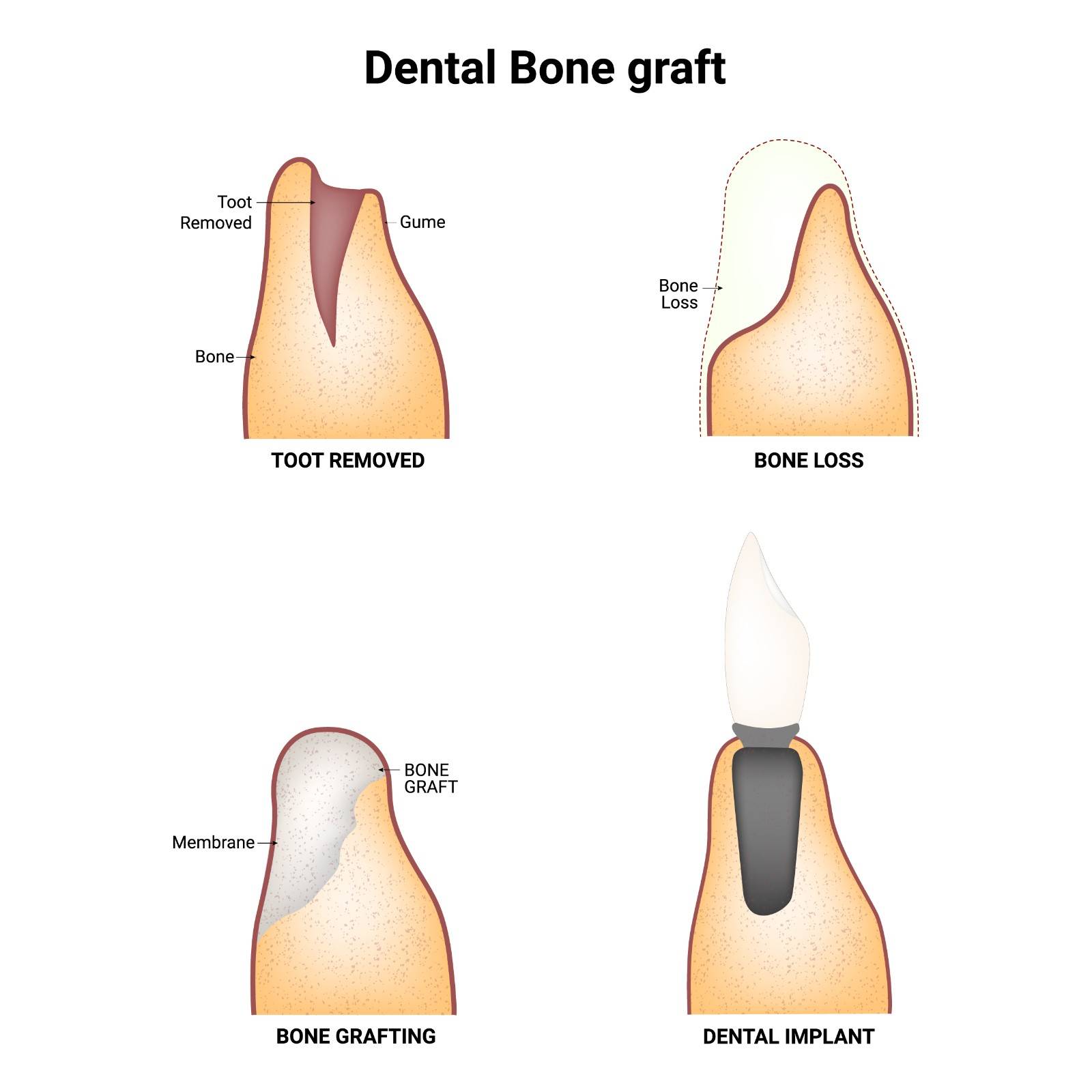
People who are not able to have dental implants due to their lack of jawbone structure will be able to do so with the help of the bone grafting procedure. Since they will not be able to support the traditional implant due to the lack of bone, this additional procedure will add to the height of it and make it possible for them to stay in place.
Furthermore, we will explain in more detail what the bone grafting procedure entails and how you can be fully prepared for it. This will make it easier for you to know what to expect, what you should avoid, and what to consider.
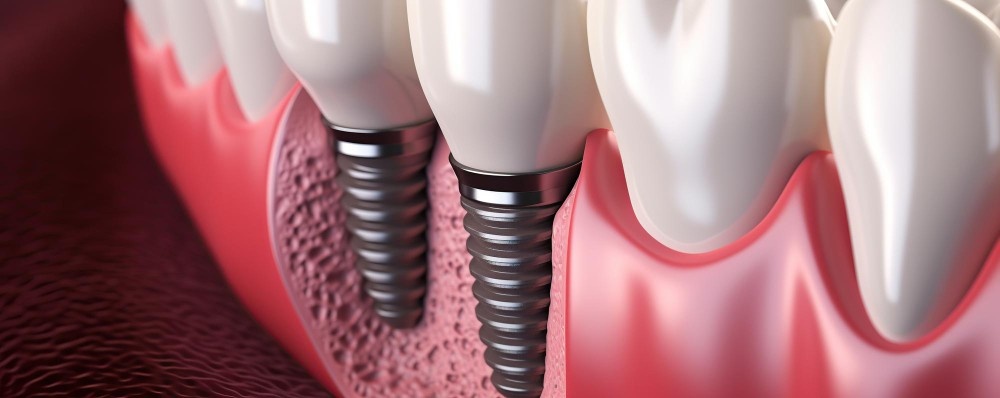
Before deciding if the bone grafting procedure is necessary or not your dentist will perform several examinations and X-rays. This way the implant procedure will have a higher rate of success and you won’t need to worry if they will fall or not.
It is important to know that without the proper jaw density and height, dental implants are set to fail since they don’t have a strong base that they can hold on to. You might think that people who suffer from this issue will not be able to replace their teeth.
Fortunately, this is not the case. This is where the bone grafting procedure comes in handy. Not only will it restore the normal structure of the bone but it will also help with the restoration of symmetry and bone volume.
This is especially helpful because if the teeth are not properly replaced it will cause a shift in the jaw causing further issues and complications in your mouth as time passes. It is very important and worth it to save some money and invest in a bone grafting procedure if you want to keep the structure and health of your teeth.
As we said bone grafting makes it possible for people who lack jawbone to have implants and restore normal function of their teeth. This procedure will allow the bone tissue to grow and regenerate and it will help get the mouth back into normal function.
The dentist will do their best to promote healing and tissue regeneration and sometimes they may also combine it will a platelet-rich plasma, which uses your own blood.
Shortly said, patients who are considered suitable for a bone grafting procedure are those who lack the bone in their jaw and will not be able to support traditional implants. However, there are other cases when this technique will be necessary:
It is important to make sure that the process goes as smoothly as possible, and this entails taking some precautions. Preparing for the procedure is as important as the recovery process. Platelet production is an important factor when it comes to the success of the treatment, and certain medications will often slow down or delay the production.
Before any type of dental procedure, especially bone grafting, the dentist will need to review what medications you take and ask you in advance to stop some of them or delay their use. This will depend on the treatment and the specific medication. It is very important to disclose this information with your surgeon and do not forget to mention it since it will affect the success of the procedure. It is always better to be prepared than sorry.
Another important aspect before you get ready for the dental grafting procedure is to check with your dentist if any additional work should be done. This is especially important if you have dental crowns or bridges since they may need some changes or adjustments. This will make sure they stay put and don’t get damaged through the whole process.
Going through the bone grafting procedure is not very easy, and you should know that it comes with several limitations. Just like with any other procedure, there are several things you should first consider, including:

Like we mentioned before, X-rays and thorough dental examinations are very important before the procedure takes place. They will carefully and precisely capture every contour and angle of your jawbone making sure everything will fit correctly.
This procedure is definitely the secret of success for dental implants. For everyone who has faced issues with dental implants due to the lack of bone density and volume, this will be the right treatment to consider. It will guarantee a solid base for the implant to hold on to and will support the jaw, avoiding any further change to the face structure.
The treatment plan will be customized according to the individual needs and wishes. Since everyone’s jaw and facial harmony are different, the oral surgeon will need to work closely and consider every detail before performing the surgery.
The patients will be presented with every option and together with the oral surgeon they will make the best choice that will suit their needs. This individual approach will make sure that the journey goes smoothly and will ensure successful outcomes.

As you may have understood by now, the bone grafting procedure will offer a lot of short and long-term benefits for your oral health. Furthermore, we will focus mainly on the long-term ones and how they will improve your life for the better.
Not only will the bone grafting procedure be essential for the support of the dental implants but it will also help support the health of your mouth. One of the main long-term benefits of bone grafting procedure implants will be the improvement of your chewing and speaking ability while also improving the appearance of your jaw.
Additionally, this procedure will prevent further bone loss in the jaw meaning you won’t experience shifting of your teeth anytime in the future. You should also know that these results will last all your life and will be even more durable than your own teeth.
All these short and long-term benefits make the bone grafting procedure a worthy investment for people who are looking to replace their teeth permanently. Like we mentioned before you wont have any limitations and you will be able to chew, speak, and do anything you would do with your natural teeth.
However, it is important to know that for the process to be successful you should take good care of your mouth, just like you would do with your natural teeth. Don’t forget to brush them at least twice a day and use dental floss.
After some time passes, implants will start to feel the same as your natural teeth, so it won’t be difficult to take care of them. If you have any questions about their maintenance, don’t hesitate to ask your dentist. They will give you the right recommendations and explain how to properly take care of your new teeth.
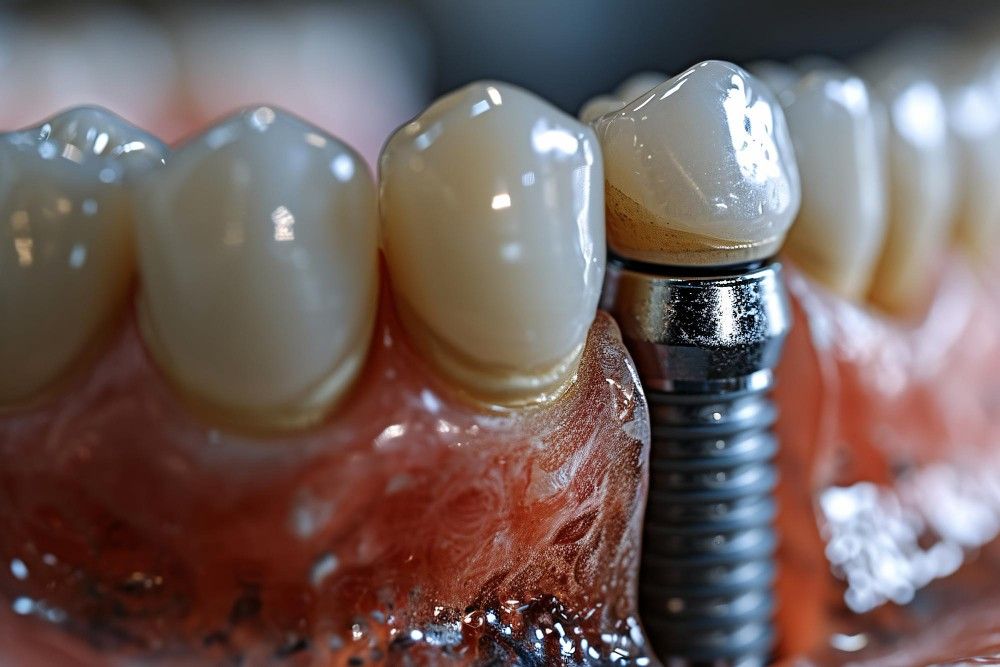
In conclusion, you should understand that the bone grafting procedure is very important in the success of dental implants. This additional technique will allow patients who have a lack of bone structure to restore the mouth back to its normal state and prevent the movement of the teeth.
Just like any other surgical treatment, the bone grafting technique needs meticulous preparation and post-operative care. It is important to understand these steps before you undergo the treatment since they play a crucial role in the success and longevity of the dental implants that will be placed above.
Although complications are a possibility, they can be avoided by choosing the right technique and the right surgeon. All those long-term benefits will only be possible if you make careful choices. Not only will you feel good about yourself, but you will also avoid additional structural damage to your mouth that will be much more difficult to fix in the future.
Bone grafting procedures come in several types, including:
The bone grafting procedure will not be painful since it will be done under the effect of anesthesia. However, after its effect wears out, you may feel some discomfort. To deal with this, your oral surgeon will prescribe some painkiller medications, which you should take as instructed.
Usually, the recovery period of bone grafting will take 3 to 6 months. After this procedure is done and the bone is ready, the dentist will place the implants. Sometimes this timeframe will depend on the individual and also the size of the graft.
During the first few weeks after the bone grafting procedure, you should eat soft foods and avoid applying pressure to the treated site. Try returning to your normal eating routine and reintroducing solid foods when you feel ready.
The first two weeks after the procedure are crucial for the recovery process so we recommend you avoid some activities including smoking, alcohol, and physical activities. This will promote proper bone healing and will allow the bone to set in place.
Some of the most common signs that you should worry about include sharp constant pain, swelling, and drainage in the treated sight. Also gum recession is a common sign that can indicate that the procedure is not working as it should.
If you notice any of these signs, contact your oral surgeon or dentist immediately. After examining the issue they will find the best treatment for you.
It is easy to understand if the procedure is going as it should. Some of these signs include reduced swelling and pain and a significant improvement in jawbone volume. However, your dentist will also monitor the healing process during the follow-up visits and decide if everything is going according to the plan.
One of the main purposes of the bone grafting procedures is to improve the smile. This is done by rebuilding the jawbone structure, which creates a solid support for artificial tooth replacements such as crowns and implants. They are definitely the best option for patients who lack jawbone and are missing their teeth.

