
If you are missing one or several teeth, dental implants are a modern and effective way of replacing them. They offer the same feeling as natural teeth and also help maintain normal mouth function. This blog post will help you understand different types of dental implants, when they are used and how to find the one that fits your needs.
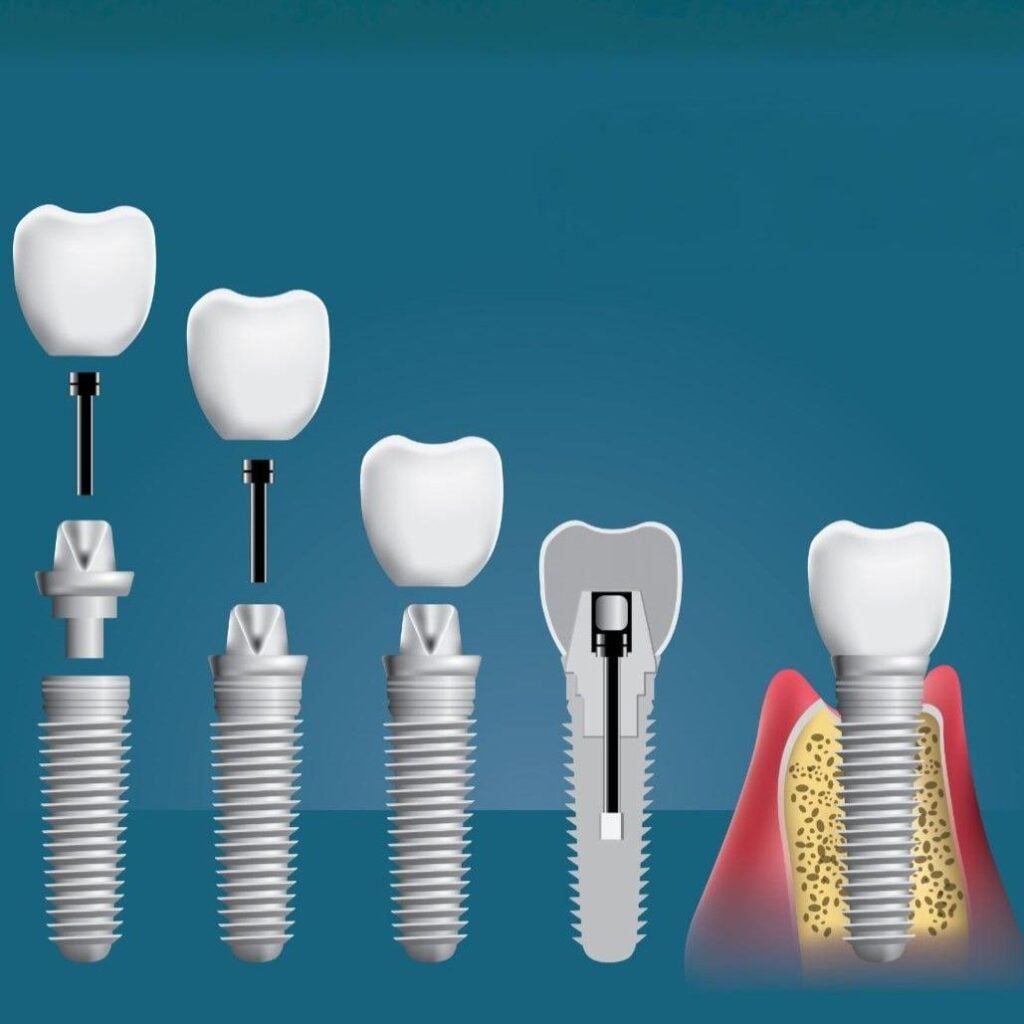
Dental implants are small posts which resemble screws, composed of titanium, which are placed directly into the jawbone to replace the missing tooth root. They create a strong and stable base for the prosthetic tooth that will be placed later on.
After the implant placement, the mouth should go through a long healing period. During this period, also known as osseointegration, the implant will go through the osseointegration process. During this time, the implants will fuse with the jawbone, offering a stable foundation which will successfully handle the everyday pressure of the mouth.
Once the implant is fully integrated into the jawbone, the dentist will place a dental crown, which comes in the same color and shape as your natural teeth. Due to this, the crown will blend perfectly with natural teeth, offering both aesthetic and functional improvements.
Compared to removable dentures or dental bridges, implants offer more stability and comfort. They don’t need support from adjacent teeth, and they do not slip during eating or speaking.
Additionally, dental implants help maintain jawbone density and volume, stopping bone deterioration, which happens when the roots are missing for a long time. This treatment will help maintain facial structure and prevent aesthetic changes in your profile.
Dental implants are a long-lasting solution, and with proper maintenance, they can even last your whole life. They are a smart investment in both oral health and self-esteem, restoring your mouth’s function and aesthetics forever.
There are different types of dental implants, each suitable for different clinical situations and needs. The right choice will depend on the condition of the jawbone, the number of missing teeth and your functional or aesthetic goals.
Endosteal implants are the most common type of dental implants used nowadays. They are directly placed into the jawbone and act as an artificial root for the new teeth that will be placed.
They usually have the shape of a cylindrical or conical screw. They are designed to integrate with the bone through a natural process, creating a strong and stable base.
Why are endosteal implants used?
These implants are used to replace one or more missing teeth, offering maximum stability and full function. They are an effective choice for patients who have enough jawbone to support them.
These implants are also used to improve chewing and speaking function while also helping you feel better about your facial appearance. They are suitable for supporting a number of dental prostheses such as one single dental crown, dental bridges or even bigger dentures.
How are endosteal implants composed?
Dental implants are composed of three components: the implant post which will be placed on the bone, the abutment which serves as a connector and the dental crown placed on top. All these three parts work together to provide a suitable and natural replacement of the teeth.
The material used to compose dental implants is titanium due to its high biocompatible properties. In other cases, other materials, such as zirconia, can be used for better aesthetic results.
Who is suitable for these types of dental implants?
Endosteal implants are suitable for patients who have a healthy and sufficient bone density. Additionally they should have healthy gums and not suffer from serious periodontal conditions.
Also, patients must be in good general health and free from habits that can prolog healing, such as smoking. To decide wether you are a suitable candidate for this treatment you will need to consult with a dental specialists.
The results of endosteal dental implants
Endosteal dental implants have a high success rate and can last your whole lifetime. They offer the same feeling, function and aesthetics of natural teeth like no other treatment.
Once the treatment is over, patients will notice a huge improvement in normal mouth functions such as eating, talking and appearance. With regular maintenance and the right care, results are permanent, and your mouth will remain healthy for a long time.
Different from other dental implants, which are placed into the jawbone, subperiosteal ones are placed beneath the gums. They do not rely on the bone but sit on top of it and are supported by metallic structures.
This structure will be personalised according to the patient’s jaw for better suitability. Then, the crown or dental bridge will be placed on top, depending on the case.
Why are subperiosteal implants used?
This type of dental implant is used in cases when the patient has lost jawbone density and is not able to support traditional dental implants. They help prevent the need for additional procedures such as bone grafting.
They are also used when the patient is looking for a less invasive solution or has health limitations that prevent them from more in-depth treatments. They are a good option for those who don’t want to go through with major surgical interventions.
How are subperiosteal implants composed?
Subperiosteal implants have a metal structure that extends over the surface of the bone, usually made of titanium or a hard alloy. In the upper part there are several posts that pass through the gums and serve as support for artificial teeth.
The structure is prepared according to the specific shape of the patient’s jaw through detailed measurements and 3d scans. This ensures the perfect fit and stability for a very long time.
Who Is Suitable for This Type of Implant?
Ideal candidates for subperiosteal implants are patients who have lost their jawbone volume due to different reasons and are not willing or able to undergo a bone graft. This type of implant is especially recommended for elderly patients.
Additionally, if you are looking for a quicker and less invasive solution for bone loss, subperiosteal implants can be a great option. The dentist will make a thorough evaluation of your jaw to determine whether you are suitable for this treatment or not.
The results of subperiosteal dental implants
Subperiosteal implants offer good stability and a significant improvement in both function and aesthetics. Although they are not as durable as traditional implants, they are quite effective in cases where other dental implants are not possible.
Patients will definitely feel more confident speaking and eating after getting dental implants. With regular maintenance and oral care, the results can last for many years and, in some cases, for a lifetime.
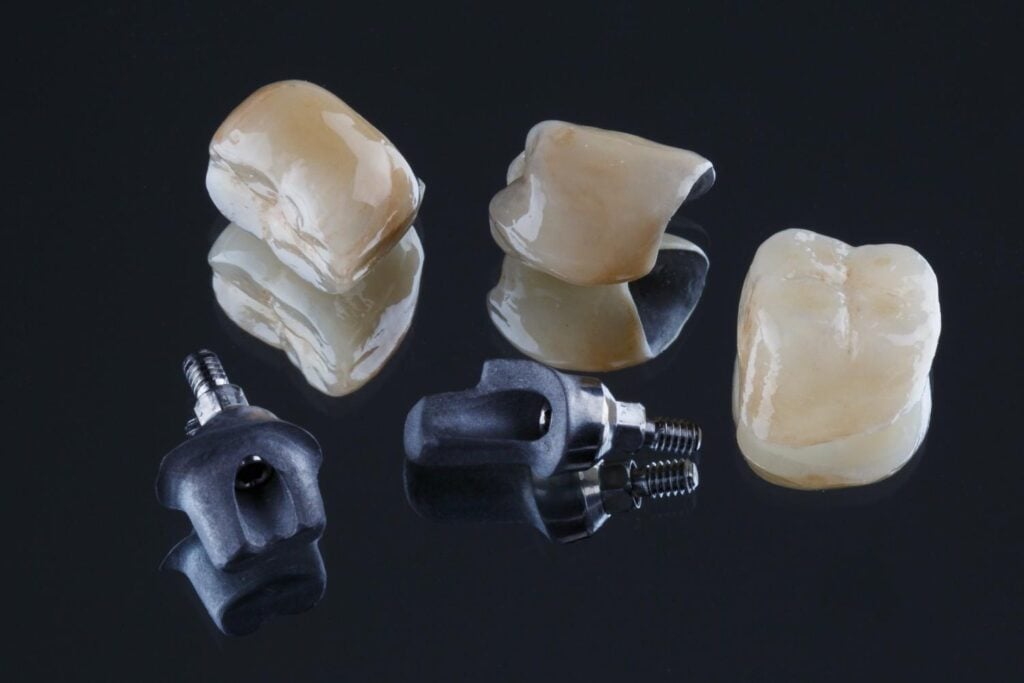
Zygomatic implants are a special type of dental implant that is placed in the zygomatic bone (cheekbone) instead of the upper jaw. This method is used when there is a lack of bone mass in the upper jaw, and it is not possible to place a traditional implant.
The implant is longer than traditional ones and is inserted diagonally to reach the strong area of the cheekbone. Thanks to this technique, additional procedures, such as bone grafting, are avoided.
Why are zygomatic implants used?
Zygomatic implants are the perfect solution for patients dealing with severe bone loss on the upper jaw. They replace missing teeth, even when traditional dental treatments are not possible.
They are also used when the patients want to avoid long and complicated treatments such as sinus lifts or bone grafting. Zygomatic implant results are fast and very stable.
How are zygomatic implants composed?
Zygomatic implants are longer than traditional implants. They are specifically designed to reach the zygoma bone, also known as the cheekbone. They offer maximum stability even when the jawbone is missing.
Who is suitable for this treatment
If your upper jawbone volume is not sufficient for traditional implants, zygomatic ones will be the perfect solution for you. Additionally, this procedure is also suitable for those who want a faster and long-lasting solution while avoiding complex treatments.
Many of these patients were previously considered unsuitable for implant treatment. Zygomatic implants have opened the door to an effective and safe solution.
The results of zygomatic implants
Zygomatic implants offer immediate stability and could also be combined with the all-on-4 system for a full mouth restoration. In many cases, patients will be able to leave the clinic with a new set of teeth on the same day.
The results will be stable, aesthetic and highly effective when it comes to normal mouth functions. With proper care and regular dental visits, they will last a very long time.
Immediate loading dental implants are a modern implantology technique that allows immediate placement of the dental crown on the same day as the procedure. This means that the patients will be able to leave the clinic immediately, without having to wait months for healing.
Unlike traditional methods that need several months to heal between the implant placement and the crown, this technique will be much quicker. It will be used only in specific cases.
Why are immediate loading implants used?
This type of central implant is the ideal solution for patients who are looking for an aesthetic and fast treatment. The results will be immediate in terms of function and appearance, without having to go through long waiting periods.
They are mostly used for aesthetic reasons in the front teeth area, where missing teeth is more visible. They are also suitable for patients who don’t want to use removable temporary prostheses.
What are immediate loading implants composed of?
The implant will be placed on the jawbone along with the new temporary or permanent tooth. The first crown will be lighter, so it doesn’t apply a lot of pressure to the newly placed implant.
After some months, the first crown will be replaced with the permanent one, which is stronger and more stable. The whole procedure is designed to maintain implant stability throughout the whole integration process.
Who is suitable for immediate loading implants?
Immediate loading implants are suitable for patients who have sufficient bone density and volume and also good general health. The densits will need to do a thorough evaluation to make sure this treatment is the right choice for you.
It will not be recommended for individuals with bone loss or patients who have unhealthy habits such as smoking. The choice will be decided once the X-ray examinations are performed and the health of the patient is assessed.
The results of immediate loading implants
The results of this implantology treatment are immediate in terms of function and aesthetics, making this a popular alternative. Patients will be able to get their smile back and improve their self-esteem in a single day.
With proper oral care and regular dental visits, the results will last a lifetime. Immediate loading implants are the perfect combination of fast results and high quality.
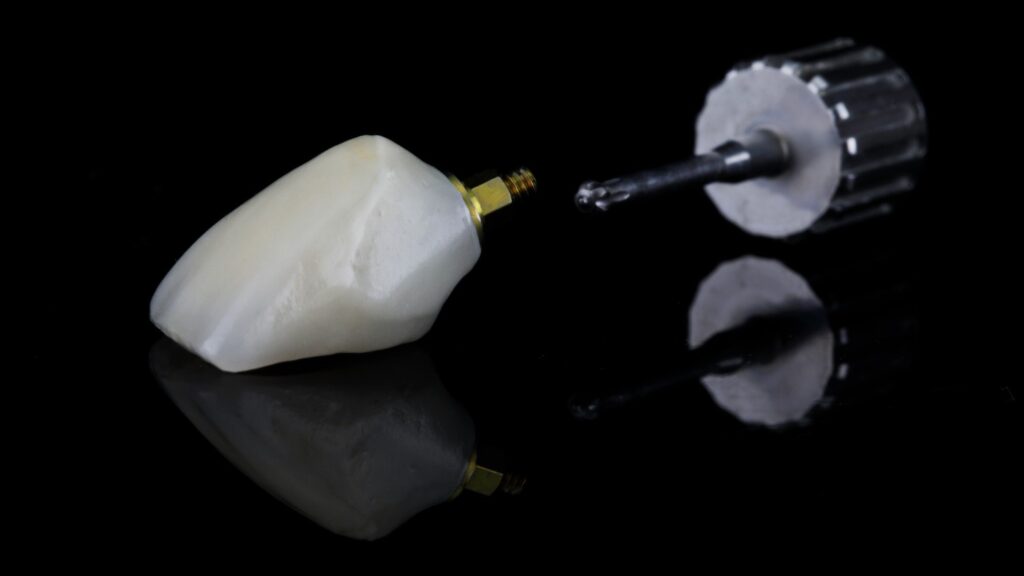
These types of dental implants are used to replace a full set of missing teeth. They use only 4,6, or 8 dental implants, which will hold a fixed prosthetic on top to restore full mouth function and aesthetics.
The name of the technique refers to the number of implants that will be used to support a full set of teeth. This method is a modern alternative to traditional removable dentures.
Why are these implants used?
These types of dental implants are the perfect solution for patients who have lost their whole teeth in the upper jaw, lower jaw or both. They are reliable, comfortable and suitable technique which offers immediate results.
They avoid the need of placing individual implants for each teeth, reducing the costs and treatment time. These implants are an ideal solution for those looking to restore their full smile.
How do All-on-4, All-on-6, and All-on-8 implants work?
These implants are placed strategically into the jawbone so the pressure spreads equally while eating. Usually, the back implants are placed at a specific angle to avoid the areas where bone is missing.
A fixed prosthesis will be placed on top of the implants. This prosthesis looks the same as natural teeth and will be standing in place without sleeping or moving.
Which system works best for you?
Choosing between all-on-4, all-on-6, or all-on-8 will depend on the amount of jawbone and the stability required. The more implants, the more distributed the force and the stronger the support for the prosthesis.
The dentist will carefully asses your oral condition and will choose the most sauitable treatments. In cases of severe bone loss, the all-on-4 system will most likely be recommended.
The results of these dental implants
The all-on systems will offer immediate results, restoring the ability to eat, speak and smile without feeling self-conscious. They are stable, aesthetic and very comfortable for everyday use.
The patients will experience an immediate improvement in their lives after the implant placement. These implants will last a lifetime and preserve optimal mouth function if properly taken care of.

Choosing the right type of dental implant will depend on several factors such as bone structure, the number of missing teeth and the general health condition. To make the right choice, you will need to consult with a specialised dental professional.
Also, the aesthetic goal, the time available for treatment, and the budget should be taken into account. The dentist will help you find the ideal balance between function, aesthetics, and personal comfort.
Once the implants are placed, it is important to follow some simple steps that will help promote better healing and ensure long-lasting results. The right maintenance will help prevent infections and keep the implant in good condition for many years.
Here are some steps you should consider:

