
One of the most known and used dental restoration methods is dental crowns. Dental crowns work great in protecting the tooth structure from further damage and changing its appearance.
Due to the fact that there are several procedures available that will help you make your teeth look better, you may wonder why you should choose dental crowns. To make this choice simpler for you, our dental professionals here at City Dental Clinic in Albania will be at your service.

Basically, dental crowns are caps similar to our teeth. They will cover the whole surface of your tooth from the back to the front. Usually, they will be recommended in cases when the tooth is weak, broken, or severely decayed.
In order for the dental crown to properly fit, the dentist will need to remove some amount of the natural tooth structure. It is important to know that they can be composed of different materials including resin, metal, and porcelain.
There are several reasons why dentists will recommend dental crowns besides other restoration methods. These reasons range from mild issues to more serious ones, including:
Sometimes when a tooth is cracked or chipped, the dentist will recommend cosmetic bonding or veneers, however, when the damage cannot be covered by these two procedures, dental crowns will be used.
The shape of the dental crown will be designed to perfectly fit your nearby teeth. This will also allow them to bond tightly so they won’t move. Another huge benefit of dental crowns is that they are very durable. The dentist will be precise with the placement, making sure that you chew and speak properly at all times.
Sometimes our teeth can be damaged and suffer from decay due to different reasons. When other procedures don’t do much and the damage is severe, dental crowns will be recommended. This procedure will restore the functionality and your ability to eat and chew food.
As soon as you notice signs of damage or decay in your tooth, you should visit your dentist. The crowns should be installed as soon as possible in order to prevent additional damage to your mouth.
If you undergo a root canal treatment, the dentist will need to remove the inside part of the tooth root also known as the pulp. The hole created will be replaced with a sterile material.
To make sure there are no spaces left and the root canal treatment is properly sealed, the dentist will need to place a crown on top. This way they will avoid the reproduction of bacteria and strengthen the structure of the tooth.
Another use of dental crowns will be completing the placement of dental implants. While the implant will serve as replacement of the tooth the crown will fill the space and serve as the missing tooth. Once they are placed they will look the same as your natural teeth.
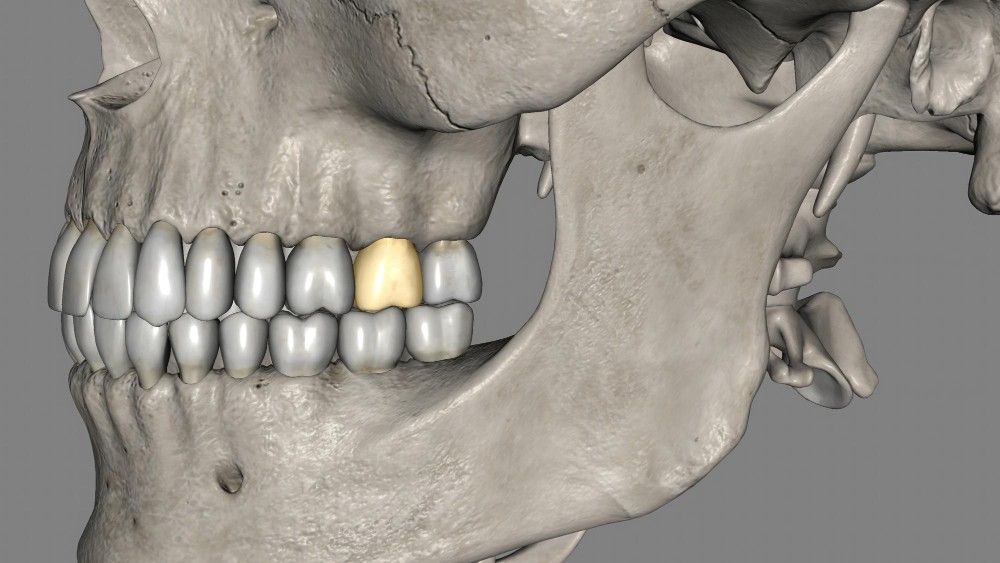
Dental crowns come in different materials and the choice between them depends on the location of the tooth, their cost, and preferences. Furthermore, we will mention five materials that are used to design dental crowns.
Dental crowns are made by dentists using a variety of metals, such as nickel, chromium, palladium, and gold. Metal crowns are the most durable, rarely crack or break, and only need a small amount of enamel removal. They are also resistant to chewing and biting pressures.
The primary disadvantage of this kind of crown is its metallic color. Metal crowns are a wonderful option for molars that are not visible.
Crowns made of porcelain fused to metal (PFM) combine the natural appearance of porcelain with the strength of metal. These crowns can be matched by dentists to the color of your natural teeth.
PFM crowns have several disadvantages despite their durability. For instance, after time, the porcelain coating can peel off and reveal the metal underneath the surface.
Furthermore, the enamel on your neighboring teeth—the teeth that come into contact with your crown when you close your mouth—may progressively deteriorate if you have PFM crowns.
PFM crowns have nearly the same lifespan as metal crowns but the difference is that they can be used for both front and back teeth.
The difference between pressed ceramic crowns and porcelain fused to metal dental crowns is their inside composition. A professional melts and pushes ceramic at a very high temperature in an oven to create this inner core. Then, many porcelain layers are added.
Pressed ceramic crowns replicate the translucency of real tooth enamel, much like all-porcelain crowns do. Besides their advantages, they have several drawbacks too, which are very similar to those of PFM crowns. As time passes there is a big possibility that the ceramic layers will begin to break away.
It is important to state that pressed ceramic crowns will work great in replacing both front and back teeth. They are very durable and similar to your natural teeth.
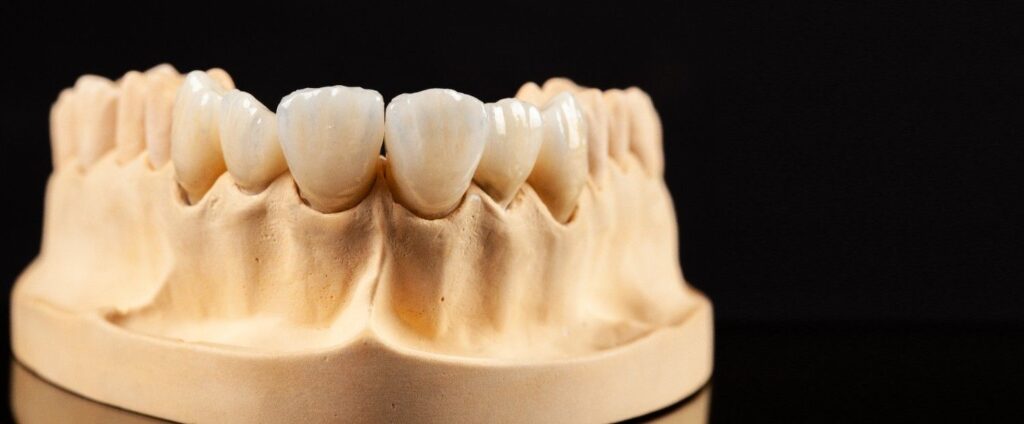
More than any other form of crown, porcelain or all-ceramic crowns resemble the look of tooth enamel. And if you’re allergic to metals, they’re a great option.
Ceramic crowns are made by lab technicians using a variety of materials, although zirconium dioxide is one of the most widely used. Zirconia crowns are more durable than other ceramic crown types, withstanding pressures up to twice as great.
Additionally, they don’t wear down the enamel of your opposing teeth, which is a huge benefit. The only drawback is that they are the most expensive choice.
When it comes to more economic choices, all-resin crowns will be the best option. However, when it comes to durability and their ability to withstand pressure they don’t perform well.
All-resin crowns are very fragile and do not withstand pressure well. Their lifespan will be only three to five years maximum which is not very long and you will need to redo them. If you want a better and more durable option you should look at other materials.
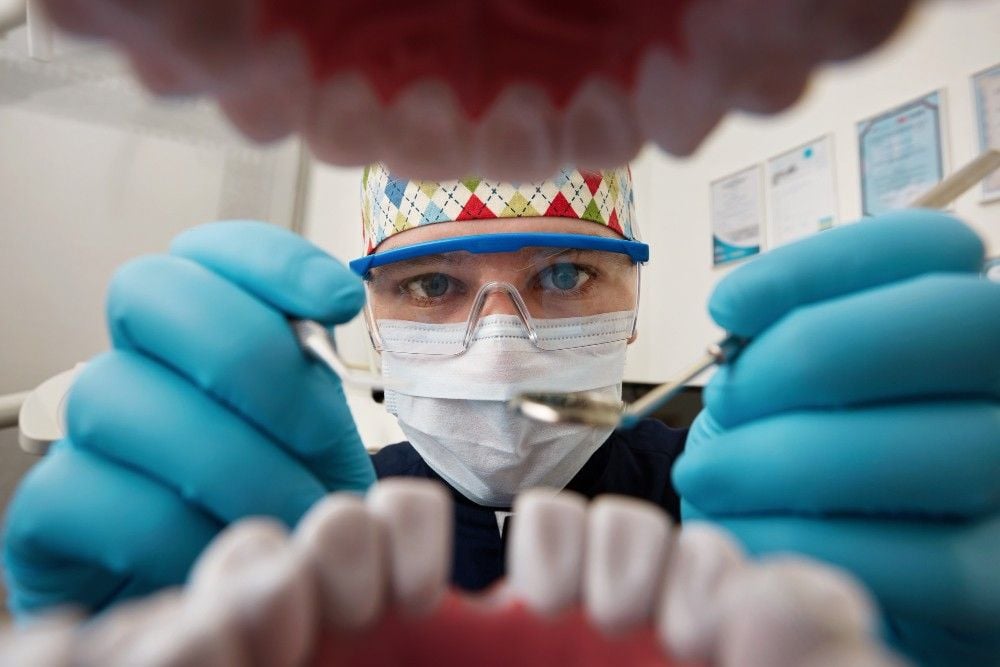
Your teeth should be examined by a dentist before deciding to restore it with a dental crown. They will determine if a crown is the most effective solution for protecting and repairing the remaining tooth.
Before placing a crown on the tooth, the dentist will check for any further possible issues that may need to be addressed. For example, the dentist can treat tooth decay before covering the tooth with a crown.
When you and your dentist determine that a dental crown is the best course of action for your needs, the dentist will start by cleaning the tooth’s surface. To provide space for the ceramic crown, a tiny bit of enamel on the tooth will need to be removed.
To make sure you are comfortable throughout this procedure, the dentist will administer a local anesthetic. Because the tooth will be exposed, you will have a temporary crown on top of it to protect it.
Before the new tooth is placed the dentist will need to take an impression of your whole mouth. This can either be done by a physical mold or digital imaging.
This way they will have your precise measurements and the lab will be able to design and shape your new tooth according to it. Once the permanent crown is designed the dentist might make small alterations to make it fit better.
While your dentist creates your custom crown in the lab, you will go home wearing a temporary crown. This process will approximately take about 3-5 days.
As we mentioned before they need to work carefully and pay a lot of attention to detail in order to make the replacement tooth fit well and to avoid any interference with the biting. After the crown is properly fitted your smile will look stunning.
You will go back to your dentist’s clinic to have the crown put over your tooth once it is ready. The dentist uses dental cement to firmly attach the ceramic cap after the temporary crown is removed.
With careful maintenance, the crown can remain in place for fifteen years following this placement. By taking good care of your new teeth you will enjoy their advantages fully.
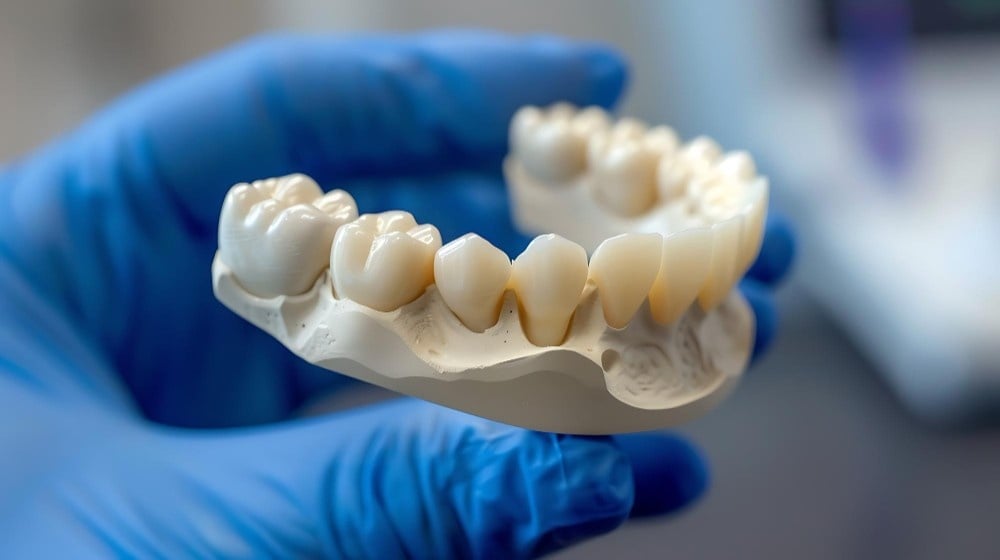
Although dental crowns are quite durable and are designed to perfectly fit in your mouth, the environment within your mouth can experience changes. Besides their many advantages, crowns can still experience wear and tear and may need to be replaced.
But what are the signs that your crown needs to be replaced with a new one? It is not a good idea to sit and wait for the restoration to completely fail. Furthermore, we will mention some signs that indicate that your crowns should be replaced.
Your gum line retreating may be a sign that the crown was not properly bonded or that it needs to be replaced. This may potentially become difficult if it allows germs to collect and lead to an infection at the tooth’s root.
If you notice pain and swelling, it is a good idea to contact your dentist. These signs can indicate an issue in placement and can also be a warning sign of a possible infection.
Keep an eye out for any indications that a crown is wearing down. Those who grind their teeth frequently have this issue since the extra pressure could speed up the wear of the crown. A dentist will examine the crown and look for indications of bruxism, or tooth grinding.
Although porcelain-fused-to-metal and all-ceramic crowns are innovative replacements for metal crowns, they are vulnerable to chipping or splitting with time. As soon as you become aware of either problem, you should consult your dentist. The probability of saving the crown increases if the issue is identified and addressed at the right time.
Over time, patients who have porcelain-fused-to-metal crowns may see a black line located near their gum line. This is the outcome of the metal of the crown reflecting through. If you want a more pleasant smile a new crown will need to be placed.
A crown typically lasts between ten and fifteen years. Even if there are no early warning indications of something wrong, you should have your mouth inspected if you’ve owned it for more than ten years.
It is possible for a dentist to find tiny problems that might go unnoticed by you. The sooner the issue is identified the better. After that, the dentist will replace the crown or recommend another treatment option.

As with any dental procedure, maintaining good oral hygiene is crucial, and this also applies to caring for a recently installed dental crown. Make sure to floss once a day and brush twice a day to prevent food particles from becoming trapped between your teeth and the crown. To further prevent damaging the crown, use non-abrasive toothpaste and a toothbrush with soft bristles.
Even after getting a dental crown, it’s crucial that you continue to go to the dentist for examinations and cleanings. Your dentist can examine your teeth at these appointments and take care of any fillings or restorations that need to be maintained.
Additionally, by doing this routine examination, you can make sure that the dental crown doesn’t require any further maintenance or treatments in the future.
Chewing hard sweets and nuts is not recommended when caring for a newly placed dental crown. Chewing on certain foods might result in a fracture or even breakage of the crown. Furthermore, it’s crucial to avoid biting down on really hard items like pencils and ice cubes.
If you have dental crowns and have bruxism, the dentist might recommend you wear a mouthguard. By doing this, you may reduce the chance that your new crown will sustain needless harm while you’re asleep. A suitable night guard that fits over your teeth and gums pleasantly will be provided by your dentist.
Eaters should refrain from consuming sticky foods like caramels when taking care of a newly placed dental crown. Foods that are sticky can often become stuck between your teeth and the crown, making it difficult to clean and floss properly. Furthermore, eating certain foods may result in the dental crown coming loose or maybe falling out completely.
Keeping your newly placed dental crown safe from potential damage or harm is just as important as avoiding specific foods. This implies being careful when playing contact sports or engaging in any activity that might result in a hit to the face. Using a mouthguard or other protective equipment can help reduce the chance that your dental crown will sustain damage.
Smoking and chewing tobacco can both eventually cause the dental crown to become stained, giving it a discolored or even yellow appearance. It’s critical that you give up smoking and chewing tobacco as soon as you can to protect the look of your newly placed dental crown and your oral health.
It’s recommended to use non-alcoholic mouthwash when taking care of a newly placed dental crown. Mouthwashes of this kind can aid in preventing germs from becoming stuck in the gums and spaces between teeth around dental crowns. Besides, they will eliminate any germs that could be causing gum disease.

