
Complete dental examination is the first step for a safe and accurate treatment plan. A good check-up does not focus only on the tooth that hurts. It checks the whole mouth, bite, gums, old restorations and factors that may create problems later.
At City Dental Clinic, examination is not seen as a formality. It is the foundation of every clinical decision. The more complete the check-up is, the clearer the treatment plan becomes.
Many patients think a dental check-up is only a quick look. In reality, the dentist collects a lot of information during the visit. Some problems are not visible immediately without careful analysis.
A tooth may not hurt, but it may have hidden decay. Gums may look normal, but they may have periodontal pockets. A crown may look beautiful, but it may not be sealed well.
A complete dental examination helps with:
When the examination is careful, the patient receives more than one answer. They receive a clear map of oral health.
Before the dentist checks the teeth, they need to understand the patient’s general health. Some diseases, medicines or allergies directly affect dental treatment. This information is very important for safety.
The patient should say if they have diabetes, heart problems, blood pressure issues, allergies or previous surgical treatments. They should also mention blood thinners or other regular medicines. These details can change planning.
The dentist may ask about:
This step should not be rushed. It makes treatment safer and more personalised. In specific cases, cooperation with other doctors may be needed.
Every patient comes with a reason. Someone has pain, someone wants an implant, someone wants veneers and someone simply wants a check-up. The dentist must listen carefully to this reason.
The main complaint helps guide the examination. But the dentist should not stop only there. Often the problem the patient feels is only part of a larger situation.
Questions may include:
When the patient gives clear details, diagnosis becomes more accurate. Even a small detail can change the plan.
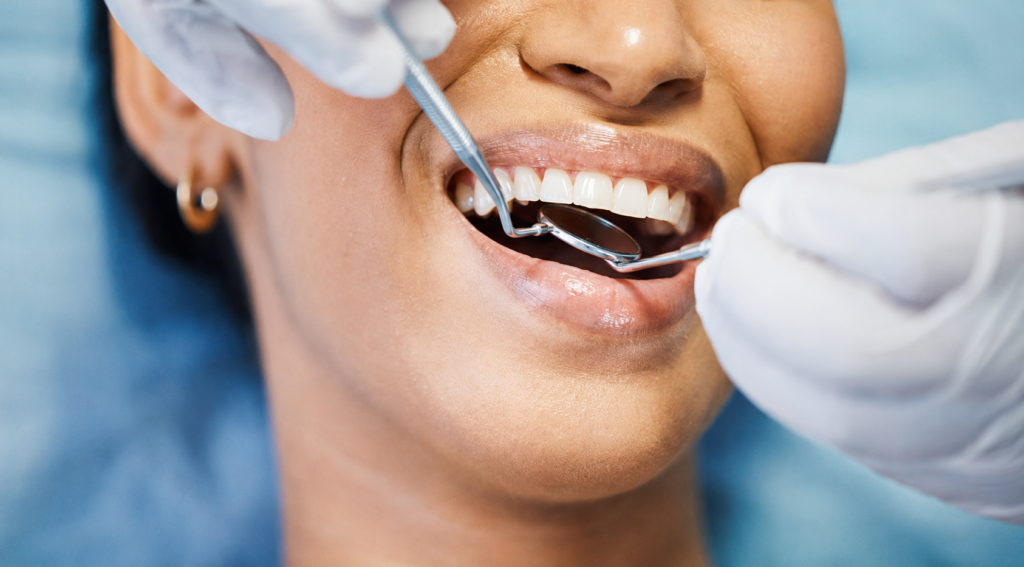
During a complete dental examination, the dentist checks every tooth. They do not look only at the painful tooth. They also evaluate teeth that may have silent problems.
The dentist checks for decay, cracks, wear and old restorations. Teeth may look good from the outside, but can have problems in areas that are difficult to see. This is why lighting, instruments and radiographs are important.
The dentist checks:
This check helps set priorities. Not every problem has the same urgency. Some are treated immediately, while others are monitored.
The gums are a key part of the examination. Even beautiful teeth cannot be healthy if the gums are inflamed. Bleeding should not be seen as normal.
The dentist checks gum colour, level of inflammation and the presence of periodontal pockets. If there is bone loss, treatment must be planned more carefully. This is especially important before implants or fixed restorations.
The dentist checks:
Gum health affects every treatment. If this problem is ignored, aesthetic and functional results may not last.
A good examination also shows how the teeth are being cleaned at home. The dentist can see areas where plaque collects more. This is not done to criticise the patient, but to help them.
Many problems start from small areas that are not cleaned well. Spaces between teeth, crown margins and the area around implants need special care. The right guidance can prevent larger treatments.
The dentist may recommend:
Hygiene is not a small part of treatment. It is what keeps the result after leaving the clinic.
The bite shows how the upper and lower teeth meet. If forces are not distributed well, teeth and restorations can be damaged. This check is important for every patient.
The patient may not realise that the bite is a problem. They may only feel jaw tiredness,headaches or tooth wear. The dentist connects these signs with function.
The dentist checks:
The bite affects crowns, veneers, bridges and implants. For this reason, it should be checked before every aesthetic or restorative treatment.

The jaw joint can reveal a lot about oral function. Clicking, pain or locking should not be ignored. These signs may be connected with the bite, muscles or habits such as clenching.
The dentist may check mouth opening and jaw movement. They may also ask about morning pain or facial tiredness. This information helps with planning.
Signs that are evaluated include:
If these signs exist, treatment should be planned carefully. Aesthetics should not create more stress on joints and muscles.
Old fillings, crowns and bridges should be checked regularly. Even if they do not hurt, they may have gaps, wear or decay underneath. A small problem can become larger if it is not found in time.
The dentist looks at restoration margins. They check whether food gets trapped, whether there is an unpleasant smell or whether the restoration moves. This helps decide if the restoration should be kept, repaired or replaced.
The dentist checks:
This step is very important for patients who had many treatments before. It prevents surprises during a new plan.
The dentist cannot see everything with the eyes alone. Radiographs show roots, bone, hidden infections and decay between teeth. In more complex cases, a 3D CBCT scan may be needed.
Imaging is used when there is a clinical reason. It helps with a more accurate diagnosis and a safer plan. This is especially important for implants, oral surgery and root canal treatments.
Possible tools include:
Diagnostic images are not just documents. They are the basis for better decisions. Without them, some problems can remain hidden.
Dental infections do not always cause strong pain. Some develop slowly and are found only through radiographs or clinical examination. This is why a complete dental examination is so valuable.
Untreated infections can affect teeth, bone and gums. They can also complicate future implants or restorations. Treatment must start by eliminating infection.
The dentist looks for signs such as:
When infection is found early, there may be a better chance to save the tooth. Waiting can make treatment more complex.
The examination is not only for pain and decay. The dentist also checks smile aesthetics when the patient wants improvement. This is done carefully, without separating aesthetics from health.
The dentist evaluates tooth shape, colour, symmetry, gum line and how the teeth look when the patient speaks. A good aesthetic plan should look beautiful and function well. These two elements should work together.
The dentist evaluates:
After this, treatments such as whitening, veneers, crowns or orthodontics may be recommended. The choice depends on diagnosis, not only on the wish for a fast change.

For patients who want implants, the examination is even more detailed. The dentist must check bone, gums, prosthetic space and bite. An implant is not only a screw in the bone, but part of a complete system.
If bone is missing or infection is present, the plan may change. Sometimes bone regeneration, sinus lift or gum treatment is needed before the implant. These decisions are made after analysis.
Implant examination includes:
A well planned implant has more chances to function well. Poor planning can create aesthetic and functional problems.
Before veneers or crowns, the dentist must check whether the teeth are suitable. Not every tooth can be covered immediately. Some teeth need root canal treatment, gum treatment or bite correction.
Beautiful material is not enough if the foundation is not healthy. Therefore, the examination decides whether veneers, crowns or another treatment is more suitable. This is a very important step for long term aesthetics.
The dentist checks:
After the check-up, the patient receives a more realistic plan. This helps the result look good and last.
A good check-up does not end when the dentist finds the problem. The patient should understand what is happening and why a treatment is recommended. This makes the decision easier.
The dentist should explain priorities. Some problems require fast treatment. Others can be monitored or planned later.
The patient should receive information about:
When the patient understands the plan, cooperation is better. This increases the chance of a stable result.
Frequency depends on the patient’s condition. Some patients need a check-up every six months. Others, especially those with implants, gum disease or many restorations, may need more frequent controls.
Regular check-ups help detect problems early. A small cavity is easier to treat than a large infection. A small issue around an implant is easier to manage in the beginning.
Check-up is especially important if you have:
Do not wait until pain becomes strong. Many dental problems are easier when treated early.
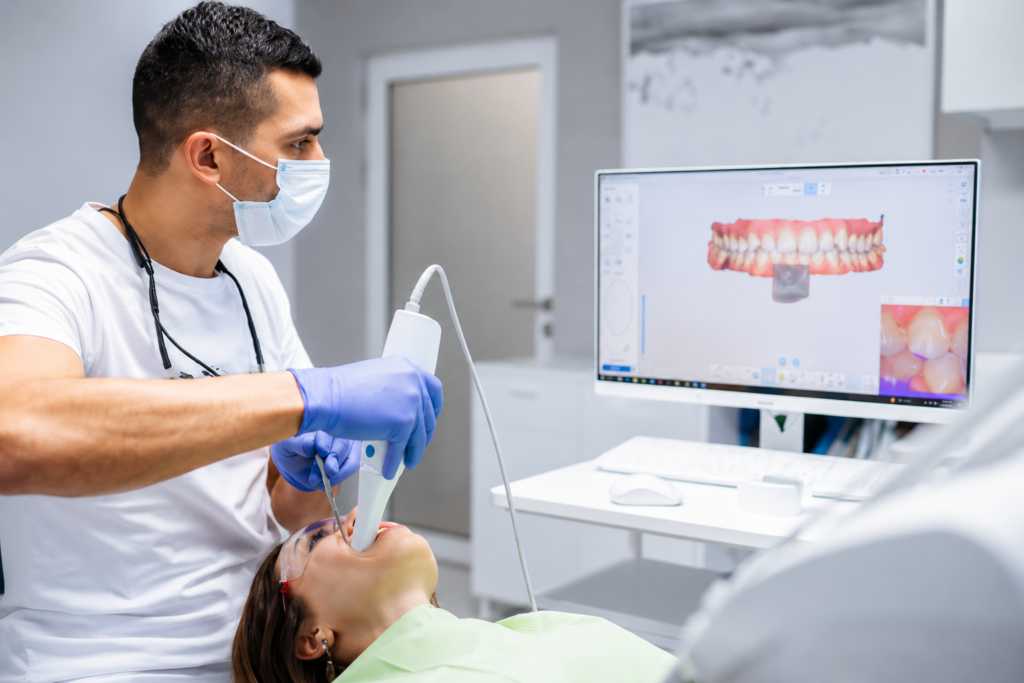
City Dental Clinic sees the examination as the foundation of the dental plan. First, the reason for the visit is heard. Then the clinical check-up is done and additional examinations are chosen when needed.
In simple cases, a check-up and basic plan may be enough. In complex cases, different specialists may be involved. This is important for patients who need implants, surgery, orthodontics or dental aesthetics.
The process may include:
This approach gives the patient more clarity. They understand what they have, what should be done and what the next step is.
Do you want to know what is really happening with your teeth? A complete dental examination at City Dental Clinic can give you clear answers. We check teeth, gums, bite and restorations to build a safe plan.
Contact us for:
Phone: +355 68 510 7070
Email: info@cdc.com.al
Address: Siri Kodra Street, Building No.13, Entrance No. 1, Tirana
Book your visit and receive a clear dental plan. A good check-up today can prevent more difficult treatments tomorrow.

