
When there is not enough bone in the jaw, the placement of dental implants becomes more difficult. Bone grafting is a simple procedure that creates a strong base for the implant, offering security and long-term results.
Many patients feel anxious or scared when listening about this procedure, but in reality, it is much easier and common than it looks. In this blog post, we will explain why bone grafting is necessary, how it is performed, and its many benefits.

Bone grafting is a dental surgery that aims to reshape or add bone in the jaw. The goal is to create a strong base for the placement of the dental implant.
This procedure will either use natural bone material from the patient or synthetic material, especially used in these situations. Depending on the condition of the jawbone, the dentist will choose the most suitable method.
The grafting process will be performed safely using only modern techniques. It is a non-invasive procedure performed under local anesthesia.
Once the new bone is placed, it will be gradually integrated with the existing bone. This creates a strong and stable base for the dental implant.
Bone transplant is necessary when the existing bone is very weak or thin. This can either happen due to not replacing missing teeth for a long time, infection, or trauma.
Materials used in bone grafting are safe and biocompatible. Usually, the body will expect these materials and begin the natural healing process.
In some cases, bone transplant can be performed in a single session, as the implant placement. In other cases, a healing period will be necessary before the implant is placed.
The aim of every transplant is to guarantee long-term success. This additional procedure will increase the chances that the implant remains stable and functional for many years.
Bone grafting is necessary when the bone doesn’t have enough volume or density to hold the dental implant. This usually happens after long-term tooth loss.
Bone loss can be caused by a number of reasons, including infections, periodontal diseases, or physical trauma. This makes the placement of the dental implant impossible without addressing the loss first.
This treatment is also recommended when major restorative interventions are performed in the mouth. In certain cases, bone grafting is necessary to ensure lasting and natural results.
Patients who need to replace several teeth at once usually need this additional procedure. The dentist will asses every case individually to to decide the best treatment plan.
This procedure is necessary when the bone is damaged from chronic infections or periodontitis. Without a healthy bone, implants will not remain stable.
Bone grafting will also be recommended in cases when the jawbone is deformed from trauma or accidents. This restores full normal function.
Some patients are born with a small bone mass in some areas of the jaw. For these patients, grafting is the only option for a successful implant placement.
In cases when more than one implant should be performed, bone grafting offers enough support for the whole area. This prevents the failure of the treatment in the future.
Most of the time, these treatments are recommended to secure the long-term success of every restorative oral treatment. It is an important step for everyone looking for a permanent and strong solution.
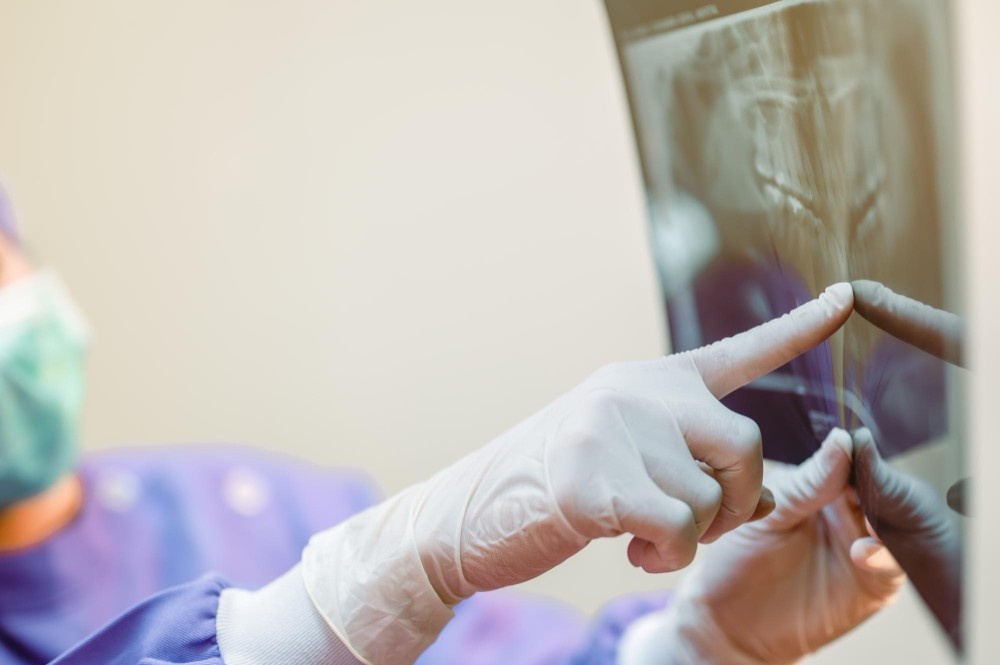
In every case, the dentist will perform detailed examinations and radiography to assess the existing jawbone. Only after this assessment, the dentist will decide whether the transplant is necessary or not.
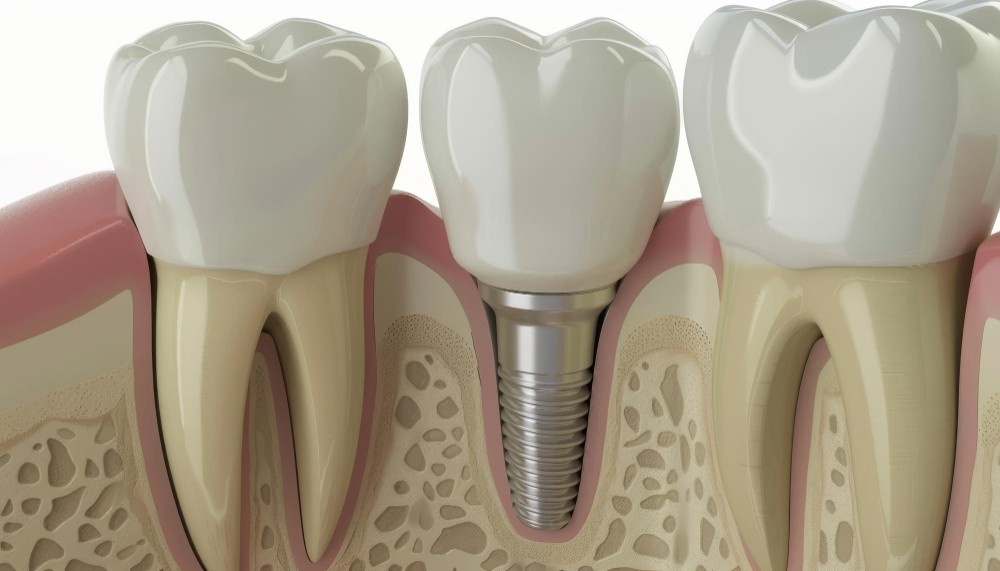
Bone grafting used in implantology comes in different types. The dentist will choose the right method based on the patient’s needs.
One of the most common types of bone grafts is an autograft. This type of graft uses bone from the patient’s body, usually taken from the jawbone or other parts of the body.
Another option for bone transplant is an allograft, when the bone used is taken from other donors, sterilized, and specially processed. This treatment is safe and has been tested for many years.
Bone grafting also uses synthetic materials or advanced biomaterials that perfectly imitate the natural bone structure. These materials are biocompatible and stimulate the growth of new bone.
In some cases, the combination of natural and synthetic materials offers even better results. The dentist will consult with he patient to choose the safest and most effective option.
The process will always start with a detailed consultation with the dental professional. This includes the clinical assessment, lab analysis, and jaw x-rays.
The dentist will firstly asses the amount of existing jawbone and decide whether the grafting is necessary. Advanced technology will be used to measure the dentistry and structure of the bone.
If bone grafting is necessary, a specific date for the procedure will be decided. The patients will get clear instructions on how to prepare for the surgery, including not eating food and stopping certain medications.
The procedure will be performed under local anesthesia so that the patient doesn’t feel any pain during it. Some specific cases will also require light sedation.
Firstly, the dentist will open a small area on the gum line to expose the bone area. Then, the space where the bone material will be placed will be created.
The chosen material – natural or synthetic- will be carefully placed and will act as the bone. Most of the time, special membranes will be used to protect the new bone during recovery.
Once the material is placed, the area will be closed with small sutures. The patient will get clear instructions on oral health and how to take care of the area after the treatment.
Several days after the procedure, the patient will notice swelling or discomfort, which are normal side effects. The dentist will recommend the use of medications to ease the symptoms and to prevent infection.
The patient should avoid hard and hot foods for a few days. Strict oral hygiene and following all the dentist’s advice are also advised.
The dentist will monitor the condition of the jawbone with regular examinations and X-rays. Only after the bone is stabilised, the placement of the dental implant can be planned.
In the end, the placement of the dental implant is a simple procedure and is performed in a separate session. Thanks to the strong base created by the bone graft, there is a stronger chance that the implant will succeed and last for a very long time.
This process will not only guarantee implant stability but also overall improvement of oral health. The patient gains safety, function, and lasting aesthetics for many years.
Recovery after bone grafting is an important phase for the procedure’s success. In the first few days, you might feel swelling, discomfort, or sensitivity in the treated area.
The oral surgeon or the dentist will recommend the use of analgesics or antibiotics to ease the pain or to prevent infection. These side effects will normally subside in a few days.
The patient should avoid eating hard, hot, or spicy foods for a couple of days. It is recommended to have soft and cold foods during the first phase of recovery.
It is important to maintain regular oral hygiene, properly taking care of the surrounding area without irritating the wound. The oral surgeon or dentist will recommend a specific mouthwash to keep the mouth clean.
Strenuous physical activities should be avoided for at least one week after the procedure. Proper rest helps with a quicker recovery and minimizes the risk of complications.
If you notice constant bleeding, severe pain, or high fever, immediately contact the dental clinic. The staff is always ready to provide full support and the necessary instructions.
Regular visits to the dental clinics are a must during recovery. The dentist will assess the integration of the new bone and decide when the right time is for the placement of the dental implant.
The full recovery process can last a couple of weeks to months. Every patient heals differently, depending on the implant type and overall health condition.
Patience and following the dentist’s instructions are the key to a successful result. After recovery, the patients will be ready for the next step: placement of the dental implants and restoration of full mouth function.
Every surgical procedure comes with possible risks. Bone grafting can be accompanied by several side effects, such as swelling, pain, or infection of the treated area.
In rare cases, the bone material will not fully integrate with the jawbone. This will require additional procedures from the dentist.
Additionally, in several cases, light bleeding and increased sensitivity will continue for a couple of days. In other cases, patients might have a reaction to anesthesia, or healing will take longer.
Besides the risks, the benefits of bone grafting are overwhelming for most patients. This procedure creates a strong base for dental implants and increases the long-term success of the treatment.
This procedure improves normal mouth function and stability. The patient will not only gain long-lasting results but also a natural appearance of their smile.
Thanks to the use of modern materials and dentists’ experience, complications are rare. Most of the patients will fully recover and be happy with the final results.
If post-treatment instructions are followed, the chances for success are very high. For most patients, this procedure is the right step towards a healthy and perfect smile.
Once the bone grafting procedure is over, rest as much as possible for the first few days. This will promote better healing and minimize the risk of complications.
Avoid consuming hard, hot, or spicy foods for at least a week. Choose soft and cold foods that do not irritate the treatment area.
Maintain good oral hygiene by carefully brushing the teeth. Use a soft-bristle toothbrush and avoid directly touching the transplanted area.
The oral surgeon might also recommend the use of a specific mouthwash to prevent infections. Carefully follow every instruction regarding medications or antibiotics.
Avoid strenuous physical activities and sports for at least a week. Proper rest is essential for a faster and safer recovery.
Not not touch or play with the wound with your tongue or fingers. This can cause infections or delay the healing process.
Drink a lot of water and avoid sparkling beverages or alcohol. They can irritate the mouth and negatively impact healing.
If you notice constant bleeding, severe swelling, or fever, immediately contact the clinic. It is important to react quickly to any unusual sign.
Do not neglect regular examinations at the dental clinic. These visits will make sure the healing process is going as normal and every issue is addressed at the right time.
The procedure will be performed under the effect of local anesthesia, so you won’t feel anything during it. After the procedure, you might feel a little discomfort, which will easily be managed with pain-free medications.
Initial healing will take a couple of weeks, but full integration of the new bone will last a couple of months. Every patient has a different healing rate.
The oral surgeon or dentist will decide when it’s the proper time for the dental implant. Usually, it is recommended to wait until the new bone is fully integrated, which varies between three to six months.
Every surgical procedure has its own risks, but complications are rare if you closely follow the dentist’s instructions. Regular examinations will definitely help prevent side effects.
There are different materials used: bone material taken from the patient, donated bone, or safe synthetic materials. The specialists will choose the most suitable options depending on the specific case.
Yes, but it is important to avoid some physical activities and to take good care of your oral health. The dentist’s instructions are essential for a successful recovery.
If all advice is followed and proper care is maintained, the result is long-lasting. This procedure creates the basis for a stable and successful implant placement in the future.

