
Dental crowns are one of the most effective treatments to restore the shape, strength and function of a damaged tooth. However, just like any other dental treatment, they won’t last forever and may need a replacement after a certain time.
The longevity of a dental crown will depend on several factors, including the material used, its maintenance and other factors such as bruxism or oral hygiene. In this blog post, you will learn how long dental crowns last, what the signs are that can indicate that they need to be replaced and how to keep them in great condition.
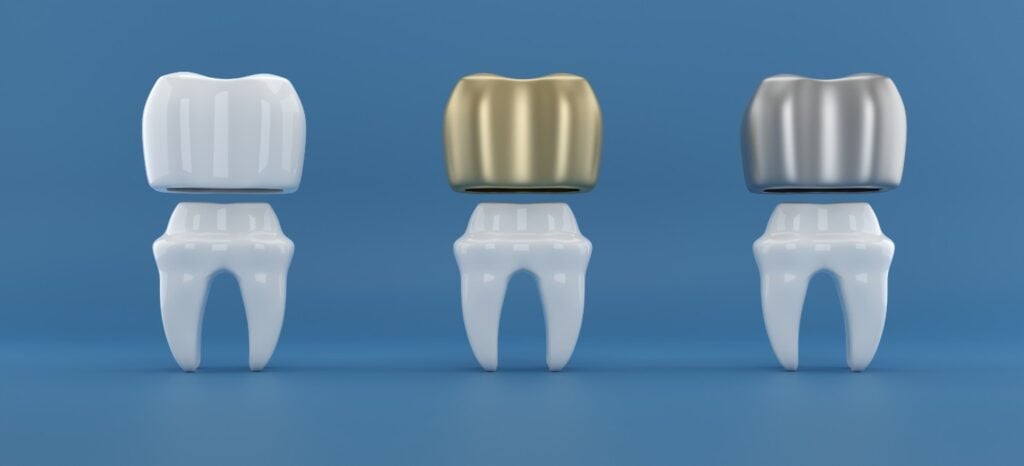
A dental crown is a protective cap which will be placed on top of a damaged, weakened or previously treated tooth to restore its shape, strength and function. This cap will totally cover the tooth and will protect it from further damage or breakage.
This treatment will also be suitable for aesthetic purposes, such as in cases when the tooth is stained, decayed or weirdly shaped. With regular maintenance, a dental crown can last many years and will look exactly the same as natural teeth.
Ceramic dental crowns are one of the most aesthetic choices in dentistry. They will perfectly imitate the natural colour and transparency, like no other material.
These dental crowns are the ideal choice for front teeth, where appearance is of great importance. However, it is important to know that ceramic is more fragile than other materials and may not be suitable for back teeth where the biting pressure is stronger.
Zirconia is a ceramic material which offers great strength and resistance and is tolerated really well by the body. This option is metal-free, and due to this, it doesn’t cause any changes in the gumline.
Besides high forces, it also offers better appearance, being suitable for front and back teeth. It has become a much-preferred choice for many people who are looking for a long-lasting solution.
Metallic ceramic dental crowns are composed of a metallic base covered by a layer of porcelain, which gives them a natural appearance. This combines the strength of metal and the aesthetics of porcelain.
They are highly durable and are used on both front and back surfaces. However, as time passes, they can create a grey shadow on the gum line.
Metal crowns are among the most durable and withstand wear and chewing forces very well. They will work great for the back mouth area, where force has more importance than aesthetics.
Even though they are not visible while smiling, they are highly functional and last for a very long time. Usually, these types of implants are recommended for patients who are looking for maximum function and extreme bite force.
E-Max is a modern glass-ceramic material that offers excellent aesthetics and considerable strength. Their appearance is very similar to natural teeth, making them ideal for front areas.
They are more durable than traditional ceramic crowns but more aesthetic than those composed of zirconia. They are widely used in restorations that require a perfect appearance and lasting results.
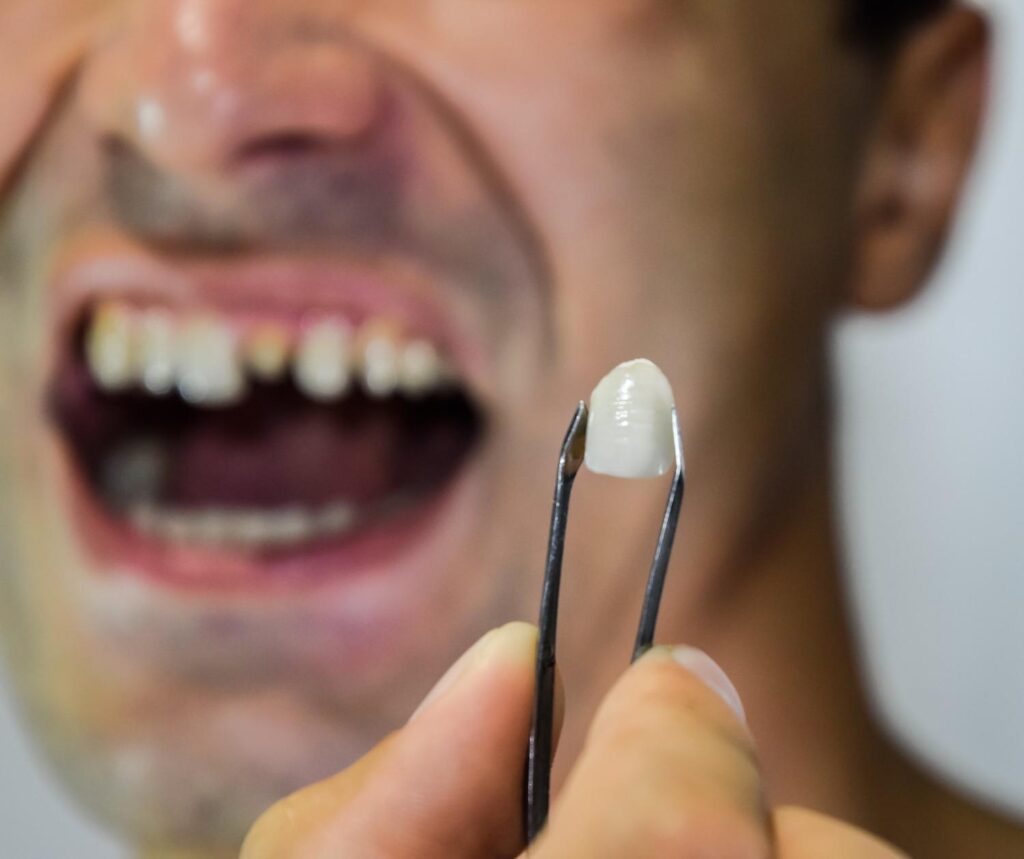
The resistance of dental crowns depends on the material used, the location of the crown and the maintenance process. In normal conditions, if the oral health is in good condition, dental crowns will last approximately 5 to 15 years.
Some types of dental crowns, especially those composed of zirconia or metal, will even last for more than 20 years if there are no other factors which can negatively affect their health. On the other side, ceramic crowns or E-max, besides being highly aesthetic, will not last as long, especially in areas where the biting pressure is higher.
The way you chew, whether you suffer from bruxism or not or whether you have unhealthy habits such as biting hard objects will directly affect the dental crown condition. Regular visits to the dentist are also key to monitoring her condition and intervening on time if necessary.
Factors that affect dental crown longevity
One of the most common signs that the crown needs to be replaced is its shifting or moving while eating or biting. If the crown doesn’t fit like before, it is important to consult with the dentist as soon as possible.
Pain and discomfort around the tooth where the crown is located may also indicate tooth decay or inflammation of the gums. These symptoms should not be ignored since the situation can get worse.
If you notice cracks, damage, or clear signs of consumption on the crown’s surface, this can be a clear sign that it has lost its protective function. This usually happens with time or after consuming hard foods.
Changes in colour or visible stains are other signs that can indicate that the crowns have started to corrode and no longer fit with the nearby teeth. This will negatively impact the appearance of the smile.
If you notice that the gumline around the dental crown starts to become irritated, swollen or bleeding, this can be a clear sign of inflammation or issues with the way the crown fits. This situation requires the replacement of the whole structure or small improvements.
Another common sign that can indicate that the crown needs to be replaced is bad breath, even after brushing the teeth. This can happen if the tooth beneath the crown is damaged or if bacteria have accumulated.

Not replacing the dental crown at the right time can lead to damage of the teeth underneath. When a crown loses its tightness, bacteria can travel inside and cause hidden cavities.
If this issue is neglected, cavities can advance and even reach the tooth rooth, which will lead to the need for more complex treatments such as a root canal or even tooth extraction. In many cases, this process doesn’t cause any pain, and it is only discovered when the situation gets serious.
A damaged or consumed dental crown will affect the chewing process and the alignment of the teeth, causing extra tension on the jawbone or muscle pain. As time passes, this will also affect the prognosis of the nearby teeth.
It is important to know that when the dental crown doesn’t fit properly with the gumline ,it will cause gum inflammation, bleeding and constant sensitivity. This increases the risk of developing periodontal disease.
Aesthetically, an old dental crown will be very distinguished from the rest of the teeth since the colour will be different. This will negatively affect the patient’s self-esteem and the overall appearance of the smile.
If the crown is not replaced in time, the cost to treat the problems that follow can be higher and more complex. Early intervention avoids complications and preserves the long-term health of the teeth.
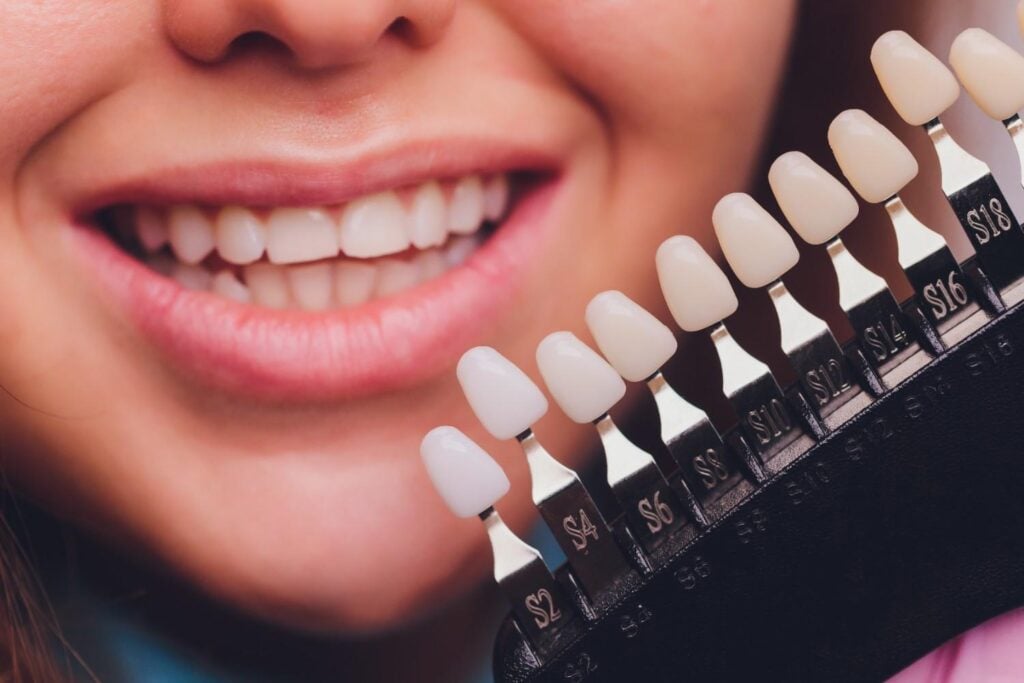
Taking care of your teeth every day is the most important step that you should take into account if you want to protect the crown from bacterial build-up and periodontal disease. Brush your teeth at least twice a day with a soft-bristled toothbrush and fluoride toothpaste.
If the dental crown is not cleaned properly, the bacteria can accumulate beneath it and cause inflammation or cavities.
Using dental floss every day is necessary as it will help clean the areas between the teeth that the toothbrush doesn’t reach. This will help remove food particles and bacteria that can affect the condition of the gumline underneath the crown.
Even though infection occurs, there won’t be any visible signs on the surface of the crown. Using dental floss regularly will help prevent hidden issues.
Mouthwash helps reduce bacteria and freshens up the breath. They are especially useful for patients who have sensitive teeth or have a history of inflammation around the dental crown.
If you want to protect the gums, choose a mouthwash free of alcohol. Use it everyday after brushing the teeth for extra protection.
Chewing hard foods such as ice, nuts, or hard candy can damage the dental crown surface. Also, bad habits like biting pens or nails should be totally avoided.
If you have the habit of clenching or grinding your teeth at night, also known as bruxism, you will cause the deterioration of the dental crown and damage to the structure underneath it. In this case, the dentist will recommend that you use a mouthguard during the night.
Regular visits are also very important as they will allow the dentist to evaluate the condition of the dental crown and to discover possible issues in their early stages. Even the most stable crown can be damaged if it is not well taken care of.
The dentist will offer a professional cleaning, check how the crown fits and evaluate the condition of the gums. A dental visit every six months is an important step that will offer longevity of the crown and promote better oral health.
It is very important to consult with your dentist immediately after you notice changes in the feeling, shape or durability of your dental crown. If the crown shifts, you feel pain or any unusual feeling around the gum line, don’t prolog the visit.
You should also seek professional help if the crown cracks, splits, or begins to discolour. Any small signal could be an indication of a larger problem that can be prevented if treated in time.
Last but not least, we recommend that our patients do regular visits every six months. During these visits, the dentist will evaluate the overall condition of the crown and your oral health. Regular visits are the key to a long-lasting and functional smile.
Dental crowns are the perfect choice to help you restore the function and appearance of a damaged tooth. They will last for many years, but their durability depends on several factors such as the material used, how well you take care of it and regular dental visits.
Once you notice any signs of damage or consumption of the crown, it is important to take action. Proper maintenance and following the dentist’s recommendations are the key to a long-lasting crown that will also function and look the same as natural teeth.

A dental crown will last approximately 5 to 15 years. However, if properly taken care of and by visiting the dentist regularly, they may last even longer, sometimes over 20 years.
Yes. If the patient doesn’t maintain proper oral hygiene, bacteria will get underneath the crown and cause dental cavities on the damaged teeth. This is why it is very important to clean the area near the crown every day.
The placement of the dental crown will not be painful as it will be performed under local anesthesia. It may cause slight sensitivity after the procedure, but this usually subsides within a few days.
Yes, dental crowns will look like natural teeth, especially when materials like ceramics, zirconia or E-Max are used. These materials are designed to perfectly mimic the appearance of real teeth and will blend perfectly with their colour.
Yes, once the crown is placed and perfectly fitted, you will be able to eat normally. It is important to avoid hard foods to protect the crown’s structure intact and strong.
If the dental crown remains intact, it can still be consumed underneath and does not fit well with the gums. Regular check-ups help detect the need for replacement before problems arise.

