
Dental implants are the most effective method to replace missing or damaged teeth. Unlike other treatment options, they are more durable, more stable and offer a long-term solution to tooth loss. At City Dental Clinic in Albania, we are professionals in dental implant procedures but the procedure is not 100% foolproof and there are some risks involved.
In this blog post, we will focus mainly on implant failure, what can cause it, and what can be done to prevent it. We will also discuss the best way to take care of implants to make the most of your money and time.
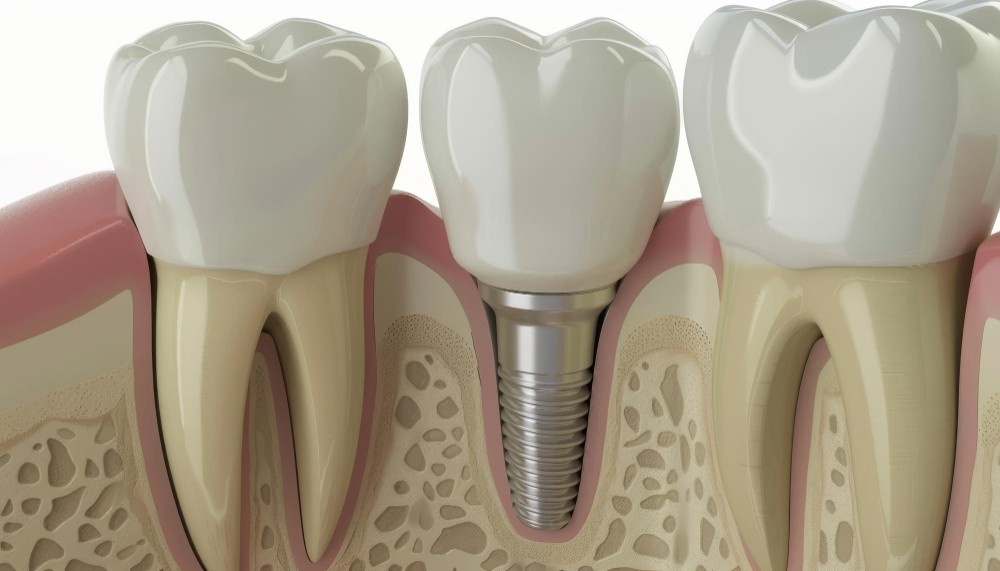
The dental implant procedure is considered an invasive surgery and as such risks are possible. Implant failure is considered when the implants do not properly fuse with the jawbone and the soft tissues that surround it.
Dental implant failure can occur for many reasons and it is important to find the right treatment for it. Additionally, being aware of these risk signs is crucial. This will prevent more serious issues from arising and avoid the need for more expensive and invasive treatments in the future.
The risk of dental implant failure can happen either in the early stages or after the implantation. Here is each stage in more detail:
The success of the dental implant procedure depends on the successful integration of the dental implant and the jawbone. This process is very important for the durability and long-term health of the implant.
In some cases, the dental implant will not integrate as it should with the jawbone of the patient due to different reasons. This will not allow the implant to stay secured making the procedure unsuccessful.
The symptoms of the failure will be noticeable in the early stages of the integration so the patients need to be extra careful. Some of the signs that can be present during this stage are:
The other stage of implant failure is the late stage. This happens after the implant has been successfully implemented in the gums but improper care and unfavourable conditions may cause it to fail.
Poor dental hygiene, gum disease, occlusal load and traumatic stress on the implant will cause issues with the implant that can be noticed after several years even if the osseointegration process has passed successfully.
Taking care of your dental implants is just as important as taking care of your natural teeth. Although you don’t have your natural teeth structure your gums can still be infected leading to oral and implant issues.
After the implant placement, your dentist will give you aftercare advice that you should carefully follow. Additionally, you should visit them regularly for check-ups and professional cleanings. This will help avoid and detect issues in their early stages before they get worse and require additional treatments.
Some of the signs and symptoms that can mean that something is wrong with your dental implants are:
In some cases, the dentist will recommend the removal of the implant from the site in order to prevent further complications that will require additional more invasive treatments.
Some of the main reasons that can cause dental implant failure are:
Allergies
Some people can be allergic to the materials used to compose the dental implant. Since allergies can be life-threatening the removal of the dental implant will be necessary. If this is the case, symptoms like excessive swelling, loss of taste and weird sensations will be noticeable.
Implant Rejection
When our body is presented with a new object, rejection can happen. With implants, this is possible since the immune system can see the titanium as a foreign object and try to push it out. This will manifest with symptoms of inflammation, pain and swelling.
Not Enough Bone Volume
Inadequate bone volume is one of the main factors that cause implant failure. Having enough bone structure is very important for the osseointegration process and when there is not enough bone the implant may not fuse correctly and can cause it to fall.
Excessive Pressure
Dental implants are not as strong as natural teeth and even though they can endure pressure and are very strong you should be careful. If you are aware that you grind and clench your teeth it is a good idea to talk with your dentist about it.
Improper Placement Of The Implants
The dental implant procedure requires the expertise of a professional surgeon. Placing the implant too close to the nearby teeth can lead to its failure. It is very important to deal with the placement carefully and with great precision.
Jawbone Issues Or Osteoporosis
Not having enough bone on your jaw or being diagnosed with osteoporosis are two factors that can make you unsuitable for the dental implant procedure. This is due to the fact that there is not enough jawbone structure to support the implant leading to its early failure.
Infection
Another important factor that can lead to implant failure is infection of the implant site. This can be caused by bacteria accumulation in the gums leading to gum disease. In order to treat the infection the dentist will need to remove the implants and let the mouth heal.
Improper Aftercare And Poor Oral Hygiene
The success of the dental implant procedure will also depend on the aftercare and dental hygiene. If you don’t brush and floss your teeth regularly you will most likely risk possible infection and inflammation of the implant site.
Underlying Serious Medical Conditions
Certain medical conditions can also be a cause of implant failure. So if you are thinking of getting dental implants it is important to discuss this with your dentist.
Some examples of these medical conditions include: unmanaged diabetes, cardiovascular disorders or autoimmune diseases. These conditions will not impact the implant placement but cause issues with the healing process and prolong the recovery.
Poor-Quality Implant Materials
The materials used to compose the dental implants should be of high quality in order for the procedure to be successful. At City Dental Clinic in Albania, we use the best materials to prevent the risk of dental implant failure.

Dental implant failure is a serious condition and should be carefully managed. If this happens there are several complications that can arise that can impact the adjacent teeth and supporting tissues.
One of the most serious complications that dental implant failure can cause is bone deterioration and loss. Our mouth has the ability to shift and if there is a space created the adjacent teeth will move closer to close it.
If the implant is not replaced at the right time, the bone that surrounds it will deteriorate since the needed stimulation is missing. Eventually, this will lead to bone loss. If bone loss occurs the jaw will change its shape making it difficult for the patient to perform normal everyday activities such as eating and chewing.
Infection is another complication that can be caused by dental implant failure. The missing teeth should be replaced because an open wound can be a ground for collecting harmful bacteria near the gum tissue and bone. This will cause pain and excessive swelling.
Sometimes when the implant fails this can lead to damage of the mouth nerves. Once they are damaged this can lead to pain and numbness of the area which can be very annoying.
At City Dental Clinic we do our best to provide the best treatments for our patients including the dental implant procedure. However even though the success rates are high, failure is still a possibility.
Besides this, there are some steps you can take to prevent complications such as:

