
As we get older our bodies will go through different changes and oral health will also be affected. It is very important that you understand that taking care of your teeth regularly is one of the best things you can do for yourself.
It is important to understand that neglecting oral care will lead to several issues that will go further than your oral area. There are several studies that have linked this even to diabetes and heart disease.
Understanding the potential risks that come with aging will help you prevent them and keep your teeth white and bright for years to come. Furthermore, we will explain some common dental issues that may worsen as you age and some tips that will help you avoid or manage them.
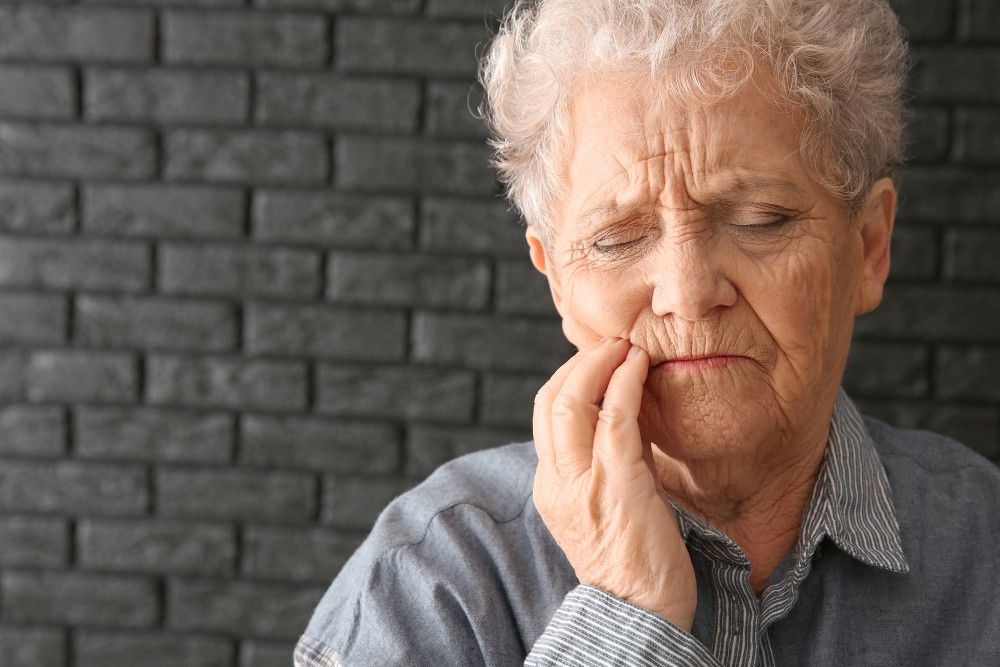
One of the most common issues that people will experience as they age will be dry mouth. As we get older our body’s ability to produce saliva will slow down. This can happen due to several reasons and the use of medications is one of them.
As you might know, saliva will help clean the teeth and wash away food particles from the gums. Additionally, if you produce the right amount of saliva the pH of your mouth will be normal. This way you will avoid several dental issues like decay and periodontitis.
If you notice any signs of saliva flow reduction you should consult a professional. They will either recommend you drink more water or put you on medication if the condition has resulted in xerostomia.
Common causes of dry mouth are:
One of the main reasons that can cause dry mouth, as we get older, is the use of certain medications. As you might know, older people use medications for several reasons such as heart problems, diabetes, etc.
Cancer treatment is another reason why people can suffer from dry mouth. If you are treating cancer you might notice changes in the saliva production.
Dry mouth can increase your risk for:
If dry mouth is not treated or managed in the right way you may experience different issues including periodontitis, sores in the mouth, yeast infection, progression of tooth decay, and difficulty while eating food.
It is very important to check with your dentist if you notice any of these issues. They will do the proper examination and find the root of the problem. By doing so you will be able to avoid the above-mentioned issues and keep your mouth healthy for longer.

Although gum disease can happen to everyone, it is more common in older adults. This condition is considered an infection that will affect the gum tissue that holds and protects the structure of the teeth.
One of the main signs that can indicate that there is an issue with your gums is bleeding. Pain and discomfort may come later but if you notice blood while brushing and flossing you should consult with your dentist. Gum disease will be developed in two stages including:
Gingivitis is the early stage of gum disease. During this stage, the symptoms can be easily reversed by taking good care of your teeth by brushing and flossing twice a day. Additionally, the dentist can recommend professional treatments.
Gums disease will be caused by bacteria found in plaque which will irritate the gum line. You may notice that they may become red and bleed frequently.
If you neglect these signs and don’t start taking care of your teeth the infection can progress to periodontitis. Keep in mind that sometimes even if you suffer from periodontitis you may not notice bleeding, so dental check-ups are very important.
If the patient doesn’t take the right measurements to treat gingivitis, then the condition will progress in periodontitis. During this stage, the damage will be more severe and can even lead to tooth loss.
Besides bleeding, sensitivity, and pain, another clear sign of periodontitis is gum recession. This means that you will start to notice the root of the tooth showing in the mouth.
As time passes, this condition may even lead to tooth loss in the future. Not only will the symptoms be visible but you will also experience an unpleasant mouth odor. This will make you feel more self-conscious. Several periodontal treatment options can help your mouth return back to normal.

As we age our bodies will become more vulnerable to changes. Once our gums recede due to different reasons and the root becomes exposed you will be more prone to experience decay and cavities.
Additionally, as we mentioned before as we age our saliva production will decrease significantly, making the mouth more acidic. This is perfect for the bacteria to attack the tooth which will create cavitation and visible holes.
Although oral cancer can happen to anyone, older people are at higher risk of developing it. Smoking and tobacco use is one of the main causes that will lead to this disease, along with alcohol. We recommend our patients consume alcohol in moderation and try to quit smoking.
Additionally, not taking care of your mouth is another risk factor for oral cancer. Try to brush your teeth at least twice a day and use dental floss. An electric toothbrush will also help.
We cannot emphasize enough how important oral hygiene is for your oral health. Although as we age it can get more difficult to properly take care of yourself, you can find ways to make it simpler. Furthermore, we will explain and mention some tips that will help you avoid dental issues in the future.
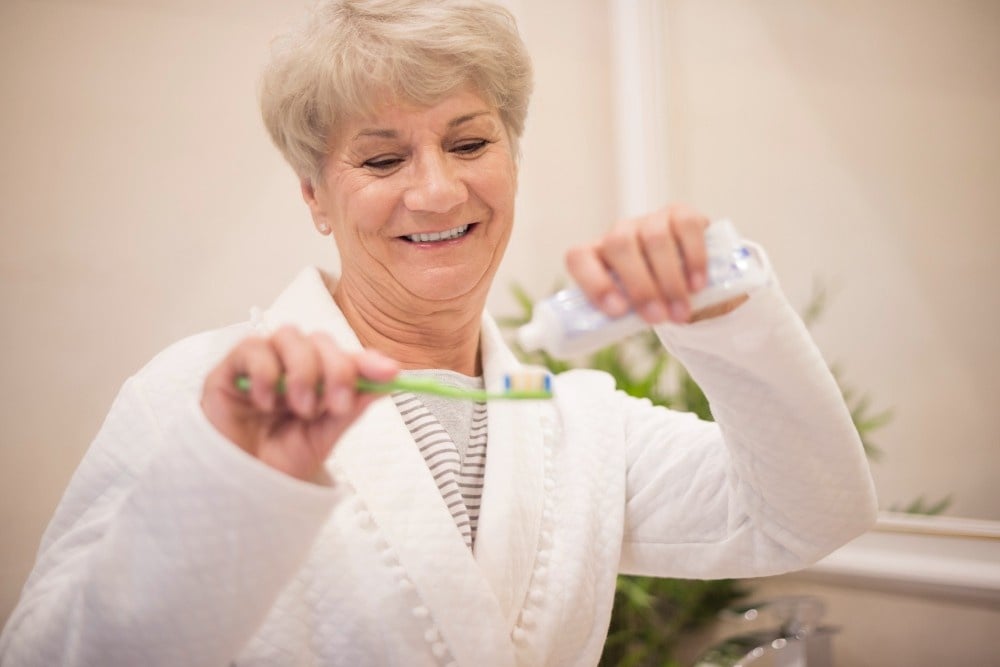
Brushing and flossing teeth daily is the first and foremost important step in keeping your mouth healthy. Use fluoride toothpaste and brush your teeth for 2 minutes once in the morning and once before you go to sleep.
To remove any food particles and bacteria that the toothbrush cannot reach you should your dental floss. When it comes to older people who have missing teeth, a warm washcloth will help remove bacteria from the surface of the gums.
Besides brushing and flossing your teeth regularly you should also use mouthwash. Find one that does not include alcohol. This way you will remove harmful bacteria and prevent plaque buildup.
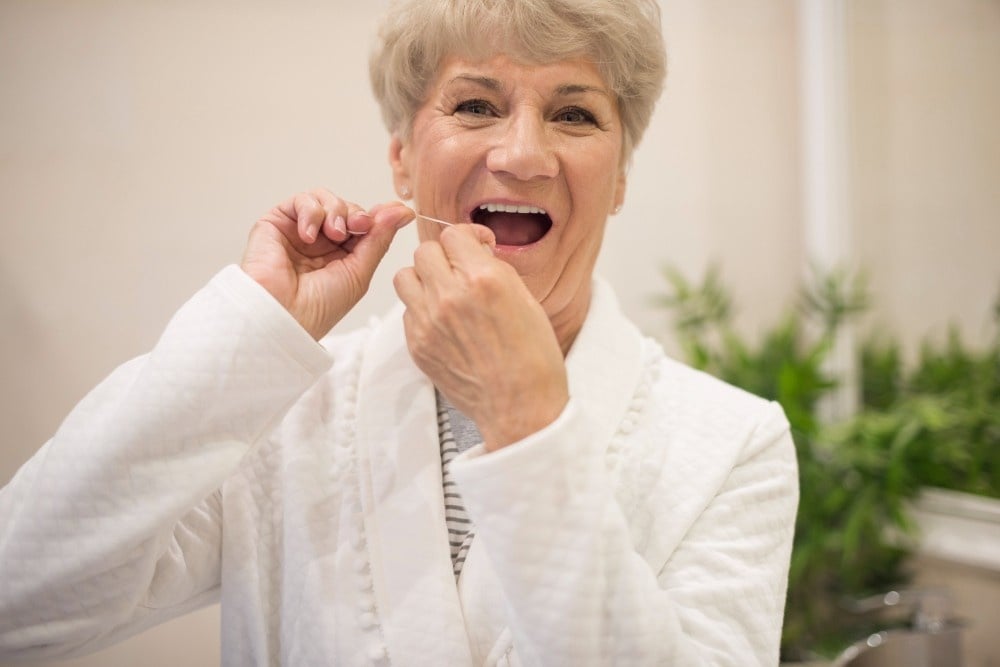
Fluoride preserves the enamel on your teeth while also strengthening them. Dental professionals recommend elders who are at high risk for cavities to replace their toothpaste with fluoride toothpaste or add a fluoride rinse to their daily oral care routine.
In addition to heart disease and other major health issues, using tobacco products can raise your chance of oral or throat cancer. In addition, chewing tobacco might aggravate dental deterioration.
Not only children but also adults enjoy having sweet treats. We recommend our patients to avoid any candy, energy drinks, and starchy snacks. Besides being delicious, they are very harmful to your oral health.
However, it can be difficult to avoid them completely so at least try to consume them in moderation. After eating, wait a while and brush or rinse your mouth with water to remove the sugar from the teeth.
Drinking water throughout the day will only do good. Your body will be hydrated, including your mouth. Not only will the water help remove bacteria and food particles but it will also neutralize the pH of the mouth while also increasing saliva production.
There is no other drink that will work better than water. Although fruit juices can be healthy, they contain sugar which is a cause of cavities. Cavities will be more difficult to treat in older adults so, we recommend you to consume them in moderation.
Many older people will suffer from tooth loss, so they use dentures or other teeth restoration methods. Dentures require specific care that should not be neglected.
In order for them to function properly and not damage your mouth you should soak them in water every night and keep them clean by brushing. Additionally, you should not miss dental checkups. During these visits, the dentist will examine if the dentures are in good condition and if they fit.
Diet also plays an important role in our oral health and this is also true for older people. As you may have heard calcium is one of the most important minerals in our body that helps keep the teeth and mouth healthy.
However, it is important to know the recommended amount of calcium. For older people, dentists recommend about 1,000 milligrams daily. This right amount will help reduce the risk of osteoporosis, which affects the jawbone that keeps the teeth in place.
As we know older people are more prone to suffer from medical issues and they take medications for it. Some medications will lead to a dry mouth which will be very harmful to your oral health since they cause plaque, tooth decay, and periodontitis.
Talk to your dentist about any medicine you use and any changes you see in the production of saliva. As soon as you start experiencing any symptoms of new dental issues following the use of certain drugs, schedule an appointment with one of our dentists here at City Dental Clinic in Tirana.
Last but not least, regular dental visits. It is very important to have your teeth, mouth, and gums checked every 6 months especially if you wear dentures. This way it will be easier to prevent further dental issues.
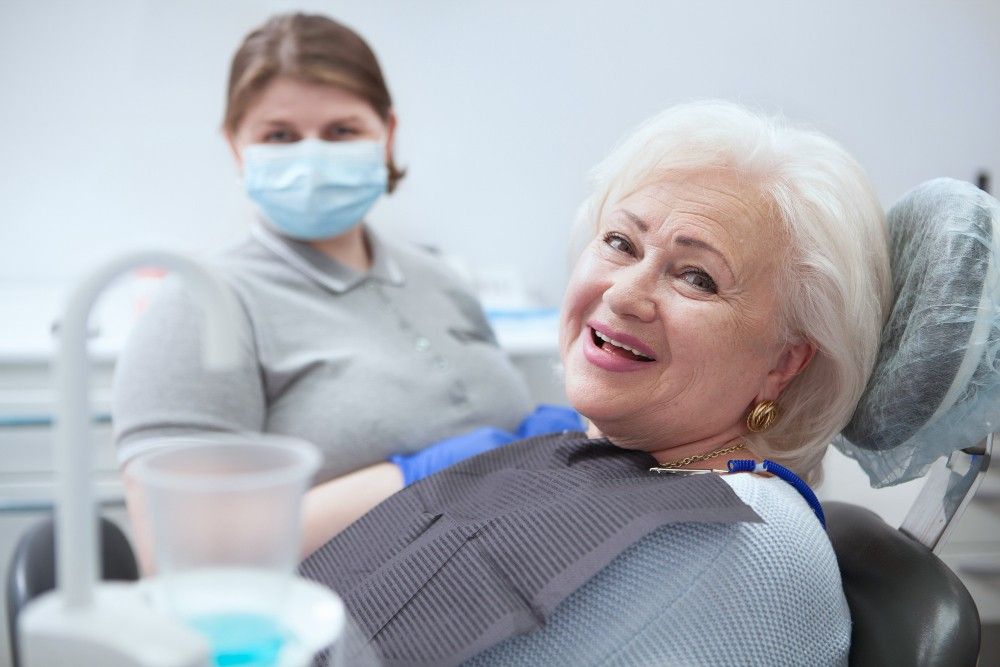
If your only concern is the appearance of your teeth, porcelain veneers are the right procedure for your aging teeth. Not only will they look great but they are also very durable. Compared to composites, porcelain veneers will last longer.
The procedure will be completed in three stages but once they are done the results will be amazing. Usually, this dental restoration procedure will be used in cases when:
As time passes it is quite normal to experience teeth discoloration or chipping. Sometimes this cannot be avoided no matter how much you take care of your teeth.
Cosmetic bonding will be the right treatment if you want to avoid these issues. This treatment will be done by a cosmetic dentist. Once they examine your tooth they will apply a composite material over the impacted tooth to improve their look. Sometimes if the patient has minor chipping, cosmetic bonding will work great.
The process of cosmetic bonding involves the dentist softly abrading the tooth’s enamel, which is afterward filled in with an adhesive that reacts to UV light. The dentist afterward applies a soft composite resin and shapes it to the patient’s preferred shape. When the new material has taken on its desired shape, the dentist polishes it to match the tooth’s natural color.
The technique of cosmetic bonding is painless, which is a plus. Most of the time, anesthesia is not necessary for the patient. Seniors who undergo cosmetic bonding might see the effects right away. The only disadvantage of this restoration technique is that it is not very durable and needs to be repeated regularly.
Since many elderly people suffer from tooth loss, they are constantly looking for ways to fill these missing spaces. The procedure of dental bridges will work great in these cases.
The process of placing a dental bridge fills the space left by a lost tooth between two healthy teeth. The dentist will first place crowns over the healthy teeth. After that, he will create a pontic, or fake tooth, to replace the lost tooth. When affixed to the crowns placed on the teeth, this artificial tooth will look the same as your natural teeth.
One of the best treatments to replace missing teeth will definitely be dental implants. Not only will they look great but they will also function the same as your natural teeth, including the root.
The first step of the procedure is to place the implant into the jawbone which includes making small cuts in the gums and making a cut in the bone. After that, the implant will be easily screwed in place. After several months the bone will start to form around the screw and it will be safely secured.
Once this process is done and the implant is secured in place, the crown will be placed on top. This crown will look the same as your natural teeth and also will be very durable.
This is the best option whether you want to replace only one tooth or all of them. Additionally, if only one tooth is missing, the nearby ones will not be altered during the implant placement, which is a huge benefit.

