
Dental implant infection should not be ignored, because early signs can seem small at first. A successful implant needs good hygiene, regular checkups, and quick action if the area starts to change. The earlier you contact your dentist, the easier it may be to control the problem.
Dental implants are a strong solution for replacing missing teeth. But even though an implant cannot decay like a natural tooth, the gum and bone around it still need protection.
The problem often begins in the tissues around the implant. At first, there may only be mild redness, bleeding, swelling, or tenderness.
If these signs are ignored, inflammation can progress. In more serious cases, it may affect the bone support around the implant.
This is why patients should understand what is normal and what is not normal after implant treatment.
Dental implant infection is usually linked to bacteria collecting around the gum that surrounds the implant. It can appear soon after surgery or later during the years of use.
In mild stages, the issue may involve only the soft tissue. In more advanced stages, the bone around the implant may also be affected.
Two conditions are often discussed:
Patients do not need to diagnose these conditions by themselves. Their job is to notice warning signs and ask for a professional checkup early.
The gum around an implant should look calm and healthy. Mild redness shortly after surgery can be part of healing, but redness that continues or gets worse should be checked.
Redness can show that the tissue is irritated. The cause may be plaque buildup, difficult cleaning, pressure from the prosthesis, or another local problem.
Pay attention if redness comes with:
Redness is not always infection. But it is a signal that the area should not be ignored.
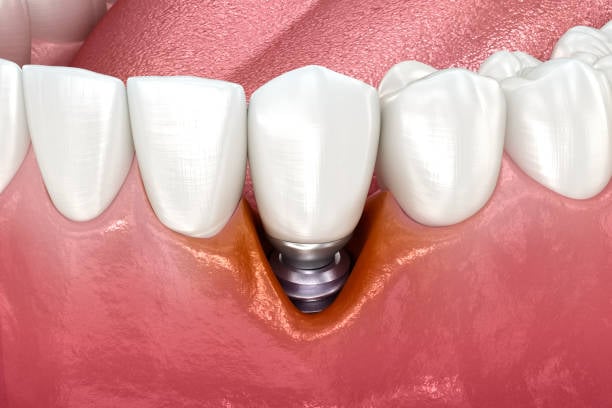
Swelling after implant surgery can be normal during the first days. The body reacts to the procedure and the tissues need time to settle.
The problem is swelling that grows, lasts longer than expected, or appears after a calm period. This may suggest inflammation or infection.
If swelling comes with pain, fever, pus, or difficulty chewing, contact the clinic quickly. Do not wait for it to disappear by itself.
Patients who travel for dental implants should
be especially careful. If you are still in Albania after the procedure, arrange a checkup before returning home.
A small amount of bleeding immediately after surgery may be normal. But repeated bleeding during brushing, interdental cleaning, or touching the gum should not be ignored.
Healthy tissue around an implant should not bleed again and again. When bleeding appears often, it can be a sign of inflammation.
This often happens when plaque stays near the implant. The area around an implant may react strongly to poor plaque control.
A dental check can show whether the problem is superficial or deeper. In many cases, early care makes treatment simpler.
After implant placement, some discomfort can be normal. This is usually managed with the instructions and medication recommended by the dentist.
However, pain that gets worse instead of better should be checked. This is especially important if it appears several days after surgery or returns after a quiet period.
Pain can be linked to inflammation, bite pressure, infection, or a healing problem. Only a clinical examination can identify the cause clearly.
Do not use painkillers only to hide the problem. Pain is a message that should be understood, not simply blocked for a few hours.
Pus or discharge around the implant is a sign that needs quick attention. It is not a normal part of healing.
Sometimes the patient notices it as fluid, a bad taste, or a bad smell from the area. In other cases, it may be visible near the gum when pressure is applied.
If you suspect discharge, do not press the area by yourself. Do not take antibiotics without instructions from your dentist.
Contact the clinic and explain your symptoms clearly. The dentist needs to examine the area and choose the right treatment.
A persistent bad taste can be a sign that bacteria are collecting around the implant. Bad breath may be linked to poor hygiene, tartar, inflammation, or infection.
This does not always mean the implant is at risk. But if the bad taste seems to come from the same implant area, it should be checked.
Pay attention if bad taste appears with:
Mouthwash may hide the smell for a short time. It does not replace a dental examination.
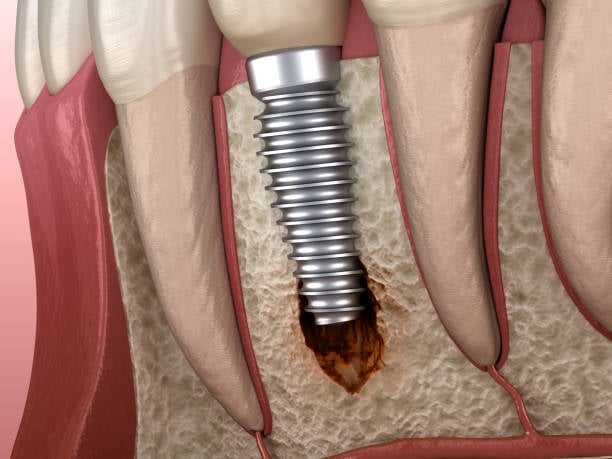
A well integrated implant should not move. If you feel movement, contact your dentist as soon as possible.
Sometimes patients cannot tell whether the implant itself, the screw, the abutment, or the crown is moving. That is why a professional check is necessary.
Movement may be noticed when you:
Do not keep testing it with your fingers. The more you disturb the area, the more irritated it may become.
A dental implant should help you chew, not make you afraid to bite. Pain during chewing is a sign that needs attention.
The cause may be too much pressure on the crown, inflammation around the implant, or a problem with the surrounding tissues. Sometimes a bite adjustment is enough, but sometimes deeper treatment is needed.
If pain appears only when you bite, tell your dentist. This detail can help them understand whether the problem is related to load or infection.
Avoid chewing hard foods on that side until you are checked. This can reduce pressure on the area.
After implant surgery, some symptoms can be normal for a short period. Patients may have tenderness, mild swelling, bruising, or a small amount of bleeding at first.
These symptoms should gradually improve. They should not become stronger after several days.
Common early symptoms may include:
The direction of symptoms matters. If you feel a little better each day, healing may be moving normally.
Some signs require quick action. You should not wait for your next routine appointment if symptoms are getting worse.
Contact the clinic if you notice:
These signs do not always mean the implant will be lost. But they do mean the area should be checked without delay.
When patients suspect infection, they often think about antibiotics first. This is a common mistake.
Antibiotics should not be taken without professional instructions. Not every pain or swelling needs antibiotics.
The dentist must understand the cause. Sometimes the issue is related to cleaning, bite pressure, a loose screw, or irritated tissue.
Taking antibiotics without a checkup may hide symptoms and delay the correct treatment. The safer solution is a dental visit.
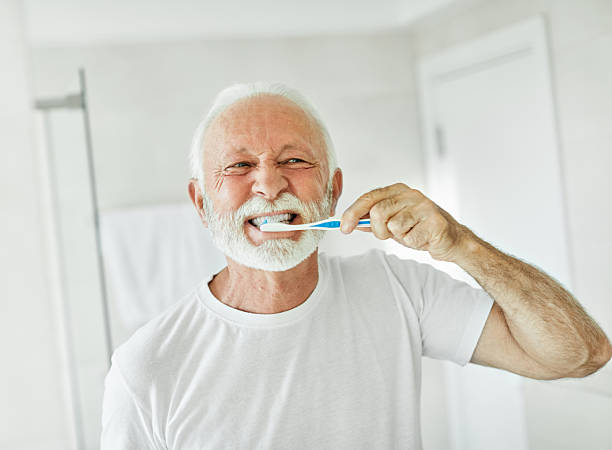
Dental implants need excellent hygiene. Even though the implant material does not decay like a tooth, bacteria can irritate the tissues around it.
Daily cleaning should be careful and consistent. If the area around the implant is not cleaned well, plaque can collect.
For better maintenance, patients may need:
Smoking can make healing more difficult and may affect the tissues around the implant. Patients who smoke may have a higher risk of gum and implant problems.
If you are planning dental implants, tell your dentist if you smoke. This information helps with treatment planning and aftercare.
After implant placement, avoiding smoking is especially important. This matters most during the first days, when the area is healing.
A good implant is not protected only by the material. It is protected by daily habits.
Many implant problems are not easy for the patient to notice immediately. A dentist can see small changes before they become bigger.
Regular checkups help evaluate the gums, clean the area, and check the bite. They are part of implant maintenance.
During a checkup, the dentist can evaluate:
Patients with implants should not visit the dentist only when they have pain. They should also visit to protect the result.
City Dental Clinic in Tirana offers dentistry, dental aesthetics, oral and maxillofacial surgery, advanced implantology, and orthodontics. This is important for patients who need implants, implant checkups, or complex dental treatment.
When a patient has warning signs around an implant, the evaluation should be clear. The team should check not only the painful area, but also hygiene, bite, and the restoration on top of the implant.
If you travel from abroad for dental treatment, written instructions are especially important. You need to know what to do during the first days and when to contact the clinic.
The goal is not only implant placement. The goal is safe and long-term implant maintenance.
Many problems become harder because the patient waits too long. Small warning signs should not be treated as normal without a checkup.
Common mistakes include:
Early action is simpler than delayed treatment. The patient should be active in maintenance.
Dental implant infection can begin with small signs such as redness, bleeding, swelling, bad taste, or pain during chewing. These signs should not cause panic, but they should not be ignored.
Dental implants can work very well when they are placed and maintained properly. Hygiene, regular checkups, and quick action are part of success.
If you notice a change around your implant, do not wait for the situation to become worse. Contact your dentist, book a checkup, and get clear instructions for the next step.
If you have a dental implant and notice pain, swelling, bleeding, bad taste, or crown movement, do not delay the checkup. City Dental Clinic can help you understand whether the area around the implant is healthy and what should be done to protect the result.
An implant is not only a treatment. It is an investment in your smile, chewing comfort, and confidence.
Mild swelling can be normal during the first days after the procedure. If swelling gets worse, lasts too long, or comes with pain and fever, contact your dentist.
Not always. But repeated bleeding around an implant may show inflammation and should be checked.
Pus, implant movement, worsening pain, and major swelling are signs that need quick dental attention.
In many cases, early treatment can help control the problem. The sooner the area is checked, the better.
Yes. Dental implants need professional cleaning and regular checkups to keep the surrounding tissues healthy.

