
Zirconia crowns for molars are designed for one of the hardest working areas of the mouth. Molars are not only back teeth that appear less when you smile, they are the teeth that handle most of the chewing force. When a molar is damaged, the crown material must be strong, accurate, and suitable for daily pressure.
Molars are the back teeth used to grind and chew food. They work at every meal and often carry more force than front teeth.
When a molar is weakened by decay, large fillings, fractures, or root canal treatment, it may not have enough natural structure left. In these cases, a dental crown can cover and protect the tooth.
Strength matters because a molar must do more than look natural. It must handle biting, chewing, and repeated pressure for many years.
A zirconia crown is a dental cap that covers a damaged tooth or sits on top of a dental implant. It restores the shape, size, function, and appearance of the tooth.
Zirconia is a strong ceramic material used widely in modern dentistry. It is known for durability, resistance, and a white color that can blend with the smile.
For molars, zirconia can be useful because it combines function and appearance. The patient receives a strong crown without visible metal.
Back teeth have different needs than front teeth. In the front of the mouth, appearance is often the main priority. In the back of the mouth, strength and resistance become more important.
This does not mean appearance is not important for molars. It means the material must also survive heavier chewing loads.
Zirconia crowns for molars may be a good option when a patient has:
In these cases, the dentist should think beyond shade. The dentist should also think about resistance.
Molars face repeated pressure every day. Even a patient with a normal bite creates strong force during chewing.
If the patient clenches or grinds the teeth at night, the pressure can be even higher. This makes material selection more important.
A weaker material may wear, crack, or chip sooner in heavy load areas. A strong material like zirconia can help protect the restoration where pressure is higher.
This is why molars should not be treated like every other tooth. The back of the mouth needs a functional plan.
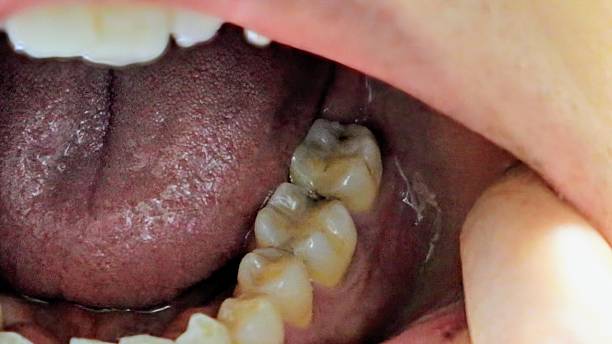
Teeth that have had root canal treatment can become more fragile. This is not because root canal treatment is bad, but because the tooth may have lost a lot of structure before or during treatment.
When a molar has had a root canal and has a large filling, it may have a higher risk of fracture. A crown helps cover the tooth and distribute pressure more evenly.
In these cases, zirconia can be a strong choice for molars. It creates durable protection for a tooth that needs extra support.
The dentist always checks how much tooth structure remains. In some cases, a core buildup may be needed before the crown is placed.
When a molar is missing and replaced with a dental implant, the visible tooth is often restored with a crown. This crown must handle chewing force like a natural tooth.
A zirconia crown on an implant can be suitable for back teeth because of its strength. It can help create a result that is both functional and clean looking.
In implant dentistry, crown fit is very important. It is not enough for the crown to be strong. It must also have correct contact with nearby teeth and a balanced bite.
If the crown is too high or the bite is not adjusted properly, pressure can become a problem. That is why clinical control and accurate design are part of success.
Strength is important, but it is not the only factor behind a successful crown. A strong crown also has to be designed correctly.
A zirconia crown for a molar needs the right shape, the right thickness, and a good fit near the gums. If these details are not respected, even a strong material may not perform well.
A good crown depends on:
This is why patients should not choose only the name of the material. They should also choose the clinic, the plan, and the professional process.
Molars are not as visible as front teeth, but appearance still matters. When you speak, laugh, or open your mouth, back teeth can sometimes be seen.
Zirconia offers a white color and a more natural look than some traditional metal based materials. This makes it suitable for patients who want strength and a cleaner appearance.
For molars, the goal is balance. The crown should look good, but it must function well first.
In some cases, maximum translucency may require another material for front teeth. For molars, zirconia is often more convincing because of its resistance.
Emax is a beautiful material and is often used when aesthetics are the main priority. It can be very suitable for front teeth and some premolars.
For molars, the dentist must evaluate bite force and fracture risk. In many cases, zirconia is more suitable because it can handle higher loads.
This does not mean one material is always better than the other. It means each area of the mouth has different demands.
For molars, the main question is not only which crown looks nicer. The main question is which crown can support daily function better.
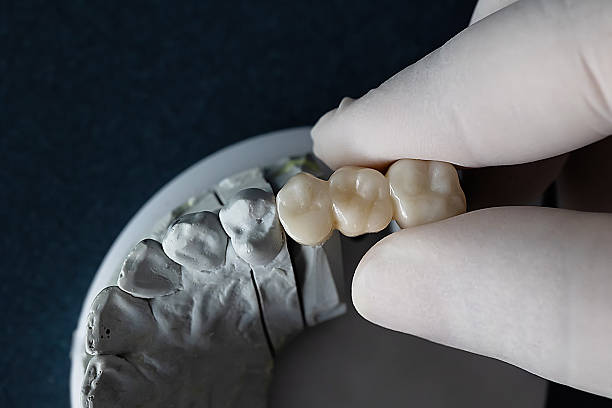
Bruxism means clenching or grinding the teeth. Many patients do not realize they do it because it often happens during sleep.
If you have bruxism, crowns on molars face more pressure. This may increase the risk of wear, fracture, or bite discomfort.
Zirconia can be a good choice for patients with a strong bite, but it does not solve everything by itself. The dentist may also recommend a night guard to reduce pressure.
Signs of a strong bite may include:
If these signs exist, crown material should be chosen carefully.
A zirconia crown for a molar must fit the tooth properly. It should not have open margins, excess height, or shapes that trap food.
If the crown does not seal well near the gums, plaque can collect. This may irritate the gums and cause problems over time.
If the crown is too high, the bite may feel strange. This can create unnecessary pressure on the tooth or implant.
That is why the check after placement matters. Patients should tell the dentist if the crown feels high, uncomfortable, or different from the rest of the bite.
The lifespan of a crown depends on many factors. Material matters, but patient care matters just as much.
A zirconia crown can last a long time when it is designed well and maintained properly. But no crown is permanent without care.
Factors that affect longevity include:
When the patient takes good care of the crown, it has a better chance of staying healthy and functional.
A crown does not decay like natural enamel, but the tooth underneath and the gums around it still need care. If hygiene is poor, problems can develop at the edge where the crown meets the tooth.
Daily care should be consistent. Patients should not think that an artificial crown does not need cleaning.
A strong crown still needs a smart routine. Material strength does not replace oral hygiene.
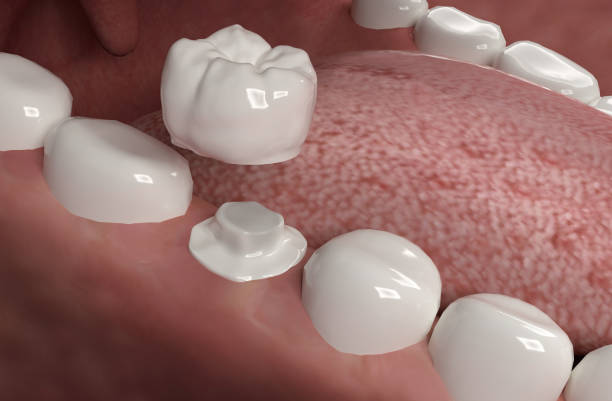
Not every patient has the same need. The dentist should check the tooth, gums, bite, and X ray before recommending a crown.
Zirconia crowns for molars may be suitable for patients who want a strong and aesthetic solution for back teeth. They can be used on natural teeth or dental implants, depending on the case.
The decision should be clinical, not only cosmetic. A proper consultation helps the patient understand the safest option.
Zirconia crowns for molars are not only laboratory products. They are the result of diagnosis, preparation, design, try in, and bite adjustment.
An experienced clinic should explain why the material is recommended and how it will be placed. The patient should understand what happens before and after treatment.
City Dental Clinic offers services in dentistry, dental aesthetics, oral and maxillofacial surgery, advanced implantology, and orthodontics. This supports more complete planning for patients who need crowns, implants, or larger oral rehabilitation.
For molars, planning is especially important. Back teeth must be restored in a way that helps you chew comfortably and function properly.
Zirconia crowns for molars are a strong option because back teeth handle heavy pressure every day. They need a material that can support chewing, biting, and repeated daily use.
Zirconia offers strength, durability, and a clean appearance. But success does not depend only on the material. It also depends on tooth preparation, crown design, cementation, bite adjustment, and maintenance.
If you have a damaged molar, a root canal treated tooth, an old crown, or an implant in the back of the mouth, a consultation can help you choose with more confidence. When done well, a zirconia crown can restore not only the look of the tooth, but also its function.
If you are looking for zirconia crowns for molars, City Dental Clinic can help you understand whether this material is the right choice for your back teeth. A professional checkup can show the condition of the tooth, the strength of your bite, and the most suitable treatment plan.
Book your consultation and receive a strong, aesthetic, and personalized solution for your smile.
Yes, in many cases they are a very good option for molars because they are highly resistant. The dentist should evaluate your tooth, bite, and needs before the final decision.
Yes, zirconia has a white color and can be matched to the teeth. For molars, it offers a useful combination of appearance and strength.
In many cases, zirconia is preferred for molars because of its strength. Emax can be very aesthetic, but the choice depends on tooth position and bite force.
Yes, zirconia crowns can be used on implants in the back of the mouth. Fit, design, and bite control are very important.
Brush regularly, clean between your teeth, and attend dental checkups. If you grind your teeth, your dentist may recommend a night guard.

