
Staying in Albania after oral surgery should be planned before you book your flight home. Oral surgery does not end when you leave the clinic, because the first days after treatment are important for recovery and follow up. The right number of days depends on the procedure, your health, and how your body responds after surgery.
For many patients, the stay in Albania after oral surgery can range from a few days to more than one week. There is no single number that fits every patient.
A simple tooth extraction may need a shorter stay. Dental implants, bone grafting, sinus lift, wisdom tooth surgery, or full arch implant treatment usually need more careful planning.
As a general guide:
These are general planning ranges, not fixed medical rules. Your final travel plan should be based on the advice of your dentist or oral surgeon.
Many patients want to return home immediately after oral surgery. This can seem practical for work, school, family, or travel costs.
However, leaving too soon is not always the best choice. The first days after oral surgery are when swelling, sensitivity, mild bleeding, and questions about aftercare can appear.
If you travel home too fast, the dental team that performed your surgery cannot check you easily. A small concern may become more stressful when you are already in another country.
Staying a few extra days gives you:
This is especially important for patients traveling from Italy, Germany, Switzerland, the United Kingdom, or other European countries.
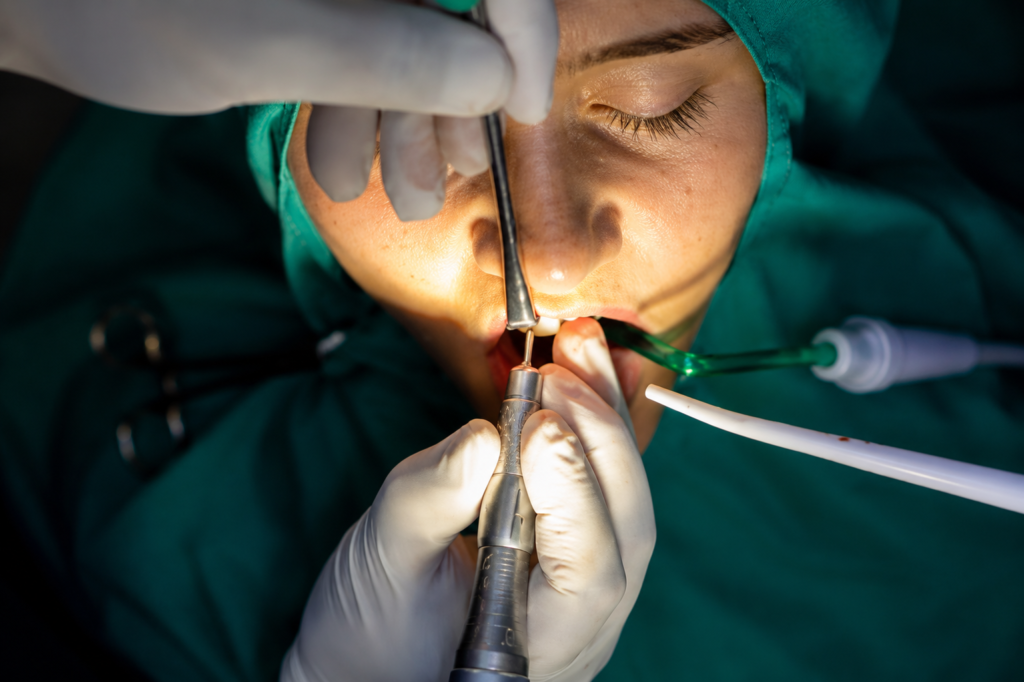
The first day after oral surgery should not be a travel day, a busy day, or a sightseeing day. It should be a recovery day.
During the first 24 hours, patients usually need rest. They must follow the clinic’s instructions for food, medication, hygiene, and care around the surgical area.
This stage is important because the body begins the healing process. If a tooth has been removed, the blood clot needs to stay stable in the socket.
During this period, patients are often told to avoid:
Instructions can change depending on the procedure. That is why your surgeon’s specific advice is always more important than general online information.
Many patients expect day two to be much easier. After some oral surgery procedures, swelling can become more noticeable after 48 to 72 hours.
This does not always mean something is wrong. It can be part of the normal early healing response.
For this reason, it is helpful to still be near the clinic. If the dentist wants to check the area, you can do it without having to fly back.
During these days, you should follow:
If pain becomes stronger, swelling gets much worse, or you feel unwell, contact the clinic. Do not wait until the day of your flight.
For a simple tooth extraction, some patients may travel after 24 to 48 hours. This depends on bleeding, pain, medication, and the dentist’s approval.
If the extraction was simple and the patient feels well, the stay may be short. Still, flying home the same day is usually not ideal, especially if the journey is long.
For a surgical extraction, the timing changes. If the tooth was impacted, broken, infected, or required gum surgery, it may be better to stay longer.
A follow up visit after extraction can help check:
Do not measure recovery only by pain. Even if pain is controlled, the area may still be in an early healing phase.
Wisdom tooth removal can be simple or surgical. Some wisdom teeth are easy to remove, while others are impacted or positioned close to important structures.
This is why the stay in Albania after wisdom tooth removal can vary. Many patients should plan at least 3 to 5 days after the procedure.
For more complex cases, a longer stay may be recommended. The timing depends on the number of teeth removed, the level of surgery, and the early recovery response.
Patients should remember:
Dental implants need more precise planning. Even when the procedure is fast, it is still oral surgery.
For one dental implant, some patients may stay 3 to 5 days. This gives the clinic time to check the surgical area and gives the patient more confidence before returning home.
For multiple implants, the stay may be 5 to 7 days or longer. If immediate loading with temporary teeth is planned, the schedule should be even more careful.
After dental implants, it is important to check:
Patients should not leave without understanding exactly what to do during the first days. Aftercare is part of long term implant success.
All-on-4 and All-on-6 treatments are usually more complex than a single implant. They may include extractions, implant placement, and fixed temporary teeth.
For this reason, international patients should plan more days in Albania. In many cases, the stay can be around 7 to 10 days, depending on the clinical plan.
This gives the clinic time to check healing and adjust temporary teeth. If there are pressure points or bite discomfort, they can often be corrected before the patient travels home.
During these days, the dental team may review:
A large treatment needs a clear schedule. The stay should be seen as part of the treatment, not as wasted time.
If your procedure includes bone grafting or sinus lift, the stay may need to be longer. These procedures require more careful aftercare.
The patient may have more swelling, more restrictions, and more instructions during the first days. In some cases, the dentist may want closer monitoring.
It is not wise to plan a very fast return when the procedure includes bone building. The body needs stability, and the patient must follow instructions carefully.
In these cases, ask the clinic about:
The more complex the treatment, the more personalized the travel plan should be.
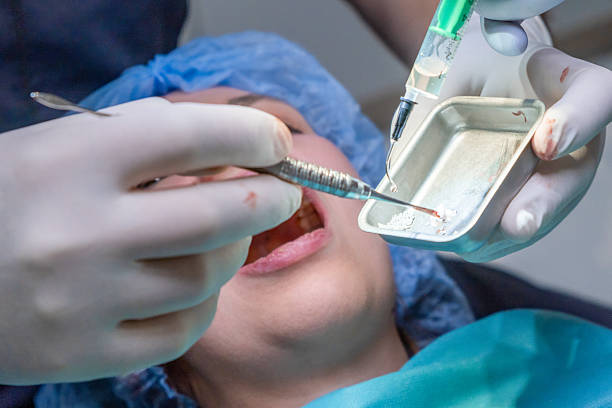
Before leaving Albania after oral surgery, your condition should feel stable. This does not mean full healing is complete.
It means the early recovery stage is under control. You should know what is normal and what is not normal.
Before returning home, it is good to have:
Your return should happen when you feel informed, not only when the flight is booked.
Some symptoms can be part of normal recovery. Others need attention from the clinic.
If you are still in Albania, it is easier to schedule a check. This is one reason why staying for a few days after surgery is useful.
Contact the clinic if you notice:
These signs are not a reason to panic. They are a reason to communicate early.
Patients who travel for dental treatment often want a fast schedule. This is understandable because travel involves time and money.
But oral surgery should not be planned like a simple tourist visit. You should leave buffer days for checkups, rest, and small changes in the plan.
A buffer day can be very useful if:
A good plan is not always the shortest plan. A good plan is the one that allows treatment, monitoring, and a safer return home.
After oral surgery, your days in Albania should be calm. Do not fill them with too many activities, meetings, or long trips.
The goal is recovery, not intensive tourism. It is better to stay near the clinic and follow the dental team’s instructions.
During your stay, it is better to focus on:
Do not plan beach trips, mountain trips, nightlife, or tiring activities immediately after surgery. Your body needs a calm rhythm.
City Dental Clinic in Tirana offers services in dentistry, dental aesthetics, oral and maxillofacial surgery, advanced implantology, and orthodontics. This makes planning very important for patients who travel for more complex treatment.
When treatment includes oral surgery, the team can explain the steps before and after the procedure. Patients should understand how many days to plan, when follow up is needed, and how to care for the mouth after treatment.
A clear plan is especially useful for international patients. They can organize flights, accommodation, recovery days, and their return home with more confidence.
Instead of booking everything without clinical guidance, it is better to ask for an initial evaluation. This makes the journey clearer, safer, and more professional.
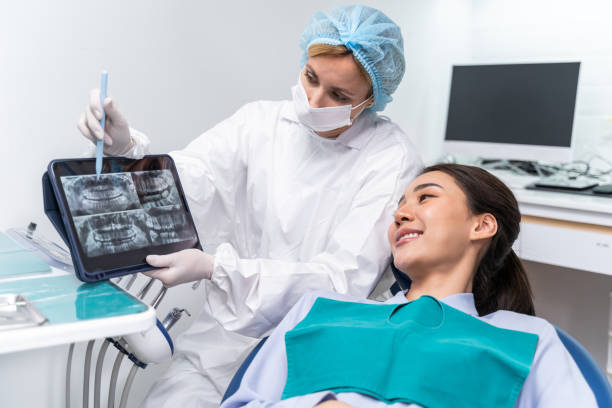
The stay in Albania after oral surgery should not be chosen only by the cheapest flight. It should be chosen according to the procedure, the follow-up plan, and patient safety.
For simple procedures, a short stay may be enough. For dental implants, All-on-4, All-on-6, bone grafting, sinus lift, or more complex surgery, more days may be needed.
The return home should happen when the early recovery is stable, and the patient has clear instructions. A well-planned stay can make dental treatment in Albania safer, calmer, and more successful.
If you are planning oral surgery in Albania, City Dental Clinic can help you understand the procedure, the recommended stay, and the steps after treatment. Start with a consultation and get a clearer plan before booking your trip.
Choose professional dental care in Tirana and organize your treatment with more confidence.
It depends on the procedure. A simple extraction may need fewer days, while implants, bone grafting, or full arch rehabilitation may need a longer stay.
It is usually not ideal to plan a flight on the same day. Your body needs rest, and the clinic may need to check the surgical area after the procedure.
For one implant, some patients may stay a few days. For multiple implants or fixed temporary teeth, a longer stay may be recommended.
In many cases, yes. A follow up helps the dentist check healing, give instructions, and correct small issues before you travel home.
Contact the clinic immediately and explain your symptoms. Do not ignore worsening pain, major swelling, fever, or bleeding that does not stop.

