
The healing phase after dental implant surgery is a crucial stage that allows the implant to integrate with the surrounding bone. During this period, the body naturally stabilizes the implant through a process called osseointegration. Understanding what happens during dental implant healing helps patients follow the right care routine and achieve successful long-term results.
The healing phase after dental implant surgery is when the implant begins to bond with the surrounding jawbone, creating a strong and stable foundation. During this time, a natural process called osseointegration occurs, allowing the implant to become securely integrated with the bone.
Although the implant is already placed, the body continues working behind the scenes to stabilize it. Proper healing is essential for ensuring that the implant can support the final dental restoration and function like a natural tooth.
With the right care and regular follow-up visits, most patients experience a smooth recovery and successful long-term results.
The healing phase plays a critical role in the long-term success of dental implants. During this period, the implant gradually bonds with the surrounding jawbone through a process called osseointegration, creating a stable foundation for the final restoration.
Without proper healing, the implant may not integrate fully with the bone, which can affect its stability and function. This is why dentists emphasize following post-surgery instructions carefully during the recovery period.
A successful healing phase ensures that the implant becomes strong enough to support crowns, bridges, or full-arch restorations. With proper care and monitoring, dental implants can function like natural teeth for many years.
One of the most important stages after dental implant placement is a biological process called osseointegration. This is the phase when the implant gradually fuses with the surrounding jawbone, creating a strong and stable foundation that allows the implant to function like a natural tooth.
During osseointegration, the bone tissue begins to grow around the titanium implant surface. This natural bonding process helps anchor the implant firmly in the jaw, ensuring that it can support crowns, bridges, or full-arch restorations without movement.
The success of dental implant surgery depends greatly on this healing phase. With proper care, good oral hygiene, and regular dental follow-ups, osseointegration allows the implant to become a long-lasting replacement for missing teeth.
The first days after dental implant surgery are an important part of the healing process. While most patients recover quickly, it is normal to experience a few temporary symptoms as the body begins to heal and the implant starts stabilizing in the jawbone.
Here are some common things patients may notice during the first few days:
These symptoms usually improve within a few days as the healing process continues.
Taking these precautions during the first days helps support a smooth recovery and promotes successful dental implant healing.
During the healing phase after dental implant surgery, it is normal for patients to experience some temporary symptoms while the implant begins to integrate with the jawbone. These reactions are part of the body’s natural healing response and usually improve within a few days.
Most symptoms are mild and gradually disappear as the healing process continues.
Some common symptoms during dental implant healing include:
These symptoms are typically temporary and tend to decrease as the tissues heal and the implant stabilizes in the bone.
Patients are usually advised to follow their dentist’s post-surgery instructions, maintain good oral hygiene, and avoid putting pressure on the implant area during the early healing phase.
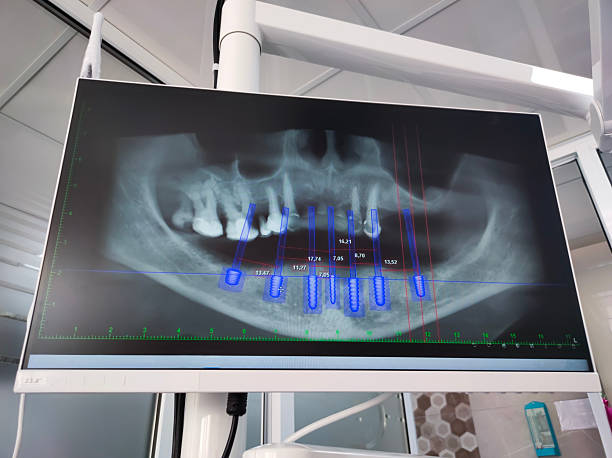
The healing process after dental implant surgery varies from patient to patient, but in most cases it takes between 3 to 6 months for the implant to fully integrate with the jawbone. During this period, the implant gradually becomes stable through the process known as osseointegration.
In the first few days after surgery, the gums begin to heal and the initial discomfort usually decreases quickly. However, the deeper healing process inside the bone takes longer, as the bone tissue slowly grows around the implant and secures it firmly in place.
Several factors can influence how long the healing process takes.
These may include:
Once the healing phase is complete and the implant is fully integrated with the bone, the dentist can place the final dental restoration, such as a crown, bridge, or full-arch prosthesis.
The healing time after dental implant surgery can vary depending on several factors related to the patient’s oral health and overall condition. While many implants heal successfully within a few months, certain conditions can influence how quickly the implant integrates with the jawbone.
Understanding these factors can help patients support a smoother and more predictable dental implant healing process.
Some of the main factors that can affect healing time include:
By maintaining good oral hygiene, following post-surgery instructions, and attending regular dental checkups, patients can help support successful and efficient dental implant recovery.
After dental implant surgery, choosing the right foods is important for supporting the healing process and protecting the implant site. During the first days of recovery, patients are usually advised to eat soft foods that are easy to chew and do not irritate the surgical area.
Avoiding certain foods can help prevent unnecessary pressure on the implant and reduce the risk of complications during healing.
Soft and nutritious foods are recommended during the early stages of recovery. These foods help maintain proper nutrition while protecting the treated area.
Recommended foods include:
Certain foods can irritate the implant site or interfere with the healing process. It is important to avoid foods that are too hard, sticky, or very hot.
Foods to avoid include:
Following these dietary recommendations can help protect the implant area and support a smoother dental implant healing process.

Maintaining proper oral hygiene after dental implant surgery is essential for protecting the implant site and supporting a smooth healing process. Gentle and consistent oral care helps prevent infection and allows the implant to integrate properly with the jawbone.
Following the dentist’s recommendations during the recovery period can significantly improve the success of the dental implant healing phase.
Proper daily care can help keep the surgical area clean and promote healthy healing.
Helpful oral care tips include:
Once the initial healing phase improves, maintaining good oral hygiene remains very important for the long-term success of the implant.
Regular brushing, flossing, and routine dental checkups help keep both the implant and surrounding gums healthy for many years.
Patients are usually advised to avoid the following activities during the healing period:
During the healing phase after dental implant surgery, there are several signs that indicate the implant is integrating successfully with the jawbone. Recognizing these positive signs can reassure patients that the recovery process is progressing as expected.
Common signs that a dental implant is healing properly include:
These signs usually indicate that the implant is successfully undergoing osseointegration, the process where the implant bonds with the surrounding jawbone.
If you are considering dental implants in Albania, scheduling a consultation is the first step toward restoring missing teeth and improving your oral health. A professional evaluation allows specialists to assess your bone structure, discuss treatment options, and create a personalized implant plan.
At City Dental Clinic, patients receive advanced implantology treatments, modern technology, and support throughout the entire dental implant journey—from consultation to final restoration.
Contact City Dental Clinic today to start your treatment:
Book your consultation and discover how modern dental implant treatment can restore the function and appearance of your teeth.

