
Minor tooth chips and small gaps can affect the overall harmony of your smile, even if they seem small. Cosmetic dental bonding is a fast, minimally invasive treatment that restores shape and balance with natural-looking results. At City Dental Clinic, this procedure is performed with high-quality composite materials and advanced techniques to ensure precision, comfort, and long-lasting aesthetics.
Cosmetic dental bonding or bonding is a minimally invasive procedure used to restore the appearance and structure of teeth that have minor chips, cracks, uneven edges, or small gaps.
It involves applying a tooth-colored composite material directly onto the surface of the tooth to improve its shape and overall look. The material is carefully sculpted to blend naturally with the surrounding teeth.
Unlike traditional bonding used mainly to treat cavities, cosmetic dental bondings focus primarily on aesthetics. They are ideal for patients who want to enhance their smile without undergoing more complex procedures such as veneers or crowns. The goal is to achieve a natural, balanced result while preserving as much of the original tooth structure as possible.
The procedure is typically completed in a single visit and usually does not require anesthesia unless there is sensitivity involved. After the composite material is shaped, it is hardened using a special curing light and then polished for a smooth, natural finish.
Cosmetic dental bonding is considered a safe and effective option for subtle smile improvements. With proper care and regular dental check-ups, the results can last for several years while maintaining both function and aesthetics.
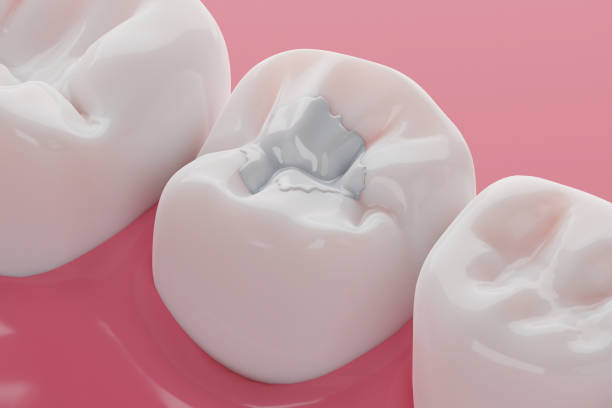
Minor tooth chips are small fractures that usually affect the outer enamel layer of the tooth. While they may not always cause pain, they can impact the overall appearance and symmetry of your smile.
Even a small chip can change the shape and balance of a tooth. Precise reshaping and contouring are essential to ensure the repaired area blends seamlessly with the natural structure and color of the surrounding teeth.
Cosmetic dental bonding uses a tooth-colored composite material that is carefully applied to the damaged area. The dentist sculpts the material to restore the original shape, then hardens it with a special curing light before polishing it for a natural finish.
When performed correctly, the restoration is virtually invisible. The tooth regains its original form and function, creating a balanced, smooth, and aesthetically pleasing result without the need for more invasive treatments.
Small gaps, also known as diastemas, can appear between two or more teeth and may affect the overall symmetry of the smile. While they are not always a health concern, many patients choose to correct them for aesthetic reasons.
Cosmetic dental bonding offers a conservative way to close small gaps without altering the natural tooth structure significantly. Instead of orthodontic treatment or veneers, a tooth-colored composite material is carefully added to reshape the sides of the teeth and reduce the visible space.
The composite material is artistically sculpted to ensure the proportions of the teeth remain natural and balanced. Careful color matching allows the restoration to blend seamlessly with surrounding teeth, creating a smooth and harmonious appearance.
The procedure is typically completed in a single visit, providing instant improvement. The result is a more uniform smile that looks natural, refined, and proportionate without invasive treatment.
The procedure begins with a detailed evaluation of the tooth and surrounding structure. The dentist assesses the size of the chip or gap and selects a composite shade that matches your natural teeth for a seamless result.
In most cases, minimal or no enamel removal is required. The surface of the tooth is gently prepared and conditioned to ensure proper bonding of the composite material.
A tooth-colored composite resin is carefully applied to the targeted area. The dentist precisely sculpts and shapes the material to restore natural contours and achieve balanced proportions.
The composite is hardened using a special curing light, securing it firmly in place. Finally, the tooth is polished to create a smooth, glossy finish that blends naturally with the rest of the smile.
The entire procedure is typically completed in a single visit and usually does not require anesthesia. Patients can return to their daily routine immediately after treatment.
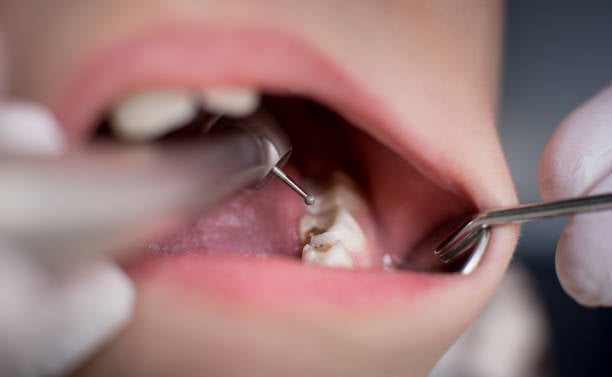
Minimally Invasive Treatment: Cosmetic dental bonding requires little to no removal of the natural tooth structure, allowing the dentist to preserve the integrity of the original tooth. It is a conservative option that improves aesthetics without aggressive reshaping.
Natural-Looking Results: The tooth-colored composite material is carefully matched to the shade of your natural teeth. This ensures a seamless blend and a smooth, polished finish that looks completely natural.
Quick and Convenient Procedure: The treatment is usually completed in a single visit, offering immediate visible improvement. Patients can return to their normal routine right after the procedure without downtime.
Cost-Effective Cosmetic Enhancement: Compared to veneers or crowns, cosmetic dental bonding is a more affordable solution for minor aesthetic concerns. It provides noticeable improvements without requiring complex or expensive treatments.
Safe and Comfortable Option: The procedure is typically painless and often does not require anesthesia. The materials used are safe, durable, and designed to maintain both function and appearance over time.
Cosmetic dental bonding typically lasts between 3 to 7 years, depending on the location of the restoration and daily habits. With proper care and regular dental check-ups, many patients maintain their results even longer.
The longevity of the bonding depends on factors such as oral hygiene, diet, and bite pressure. Habits like nail biting, chewing hard objects, or grinding teeth can shorten the lifespan of the restoration.
Good oral hygiene, including brushing and flossing daily, helps preserve the integrity of the composite material. Routine professional cleanings and dental evaluations ensure the restoration remains smooth, functional, and aesthetically pleasing.
Over time, the composite material may experience minor wear or discoloration. In such cases, it can usually be easily repaired or refreshed without complex procedures.
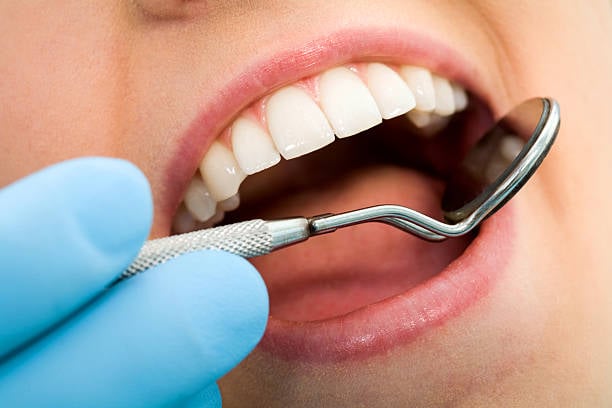
Cosmetic dental bonding is generally a painless procedure and usually does not require anesthesia. Most patients experience little to no discomfort during or after treatment.
The treatment is typically completed within one visit and usually takes between 30 to 60 minutes per tooth. The exact time depends on the size of the chip or gap being corrected.
Yes, the composite material is carefully matched to the shade of your natural teeth. When properly sculpted and polished, the restoration blends seamlessly with the surrounding teeth.
Composite material can stain slightly over time, especially with frequent consumption of coffee, tea, or tobacco. However, regular cleaning and good oral hygiene help maintain its appearance.
Cosmetic dental bonding is not considered permanent, but it is long-lasting. With proper care, it can remain in good condition for several years before needing minor repair or replacement.
Do not let minor chips or small gaps hold back the confidence of your smile. Take the first step toward a more refined and harmonious look with cosmetic dental bonding at City Dental Clinic, where precision meets advanced aesthetic dentistry.
Our experienced dental professionals use high-quality composite materials and modern techniques to deliver natural-looking, long-lasting results in just one visit. Every treatment is carefully planned to enhance your smile while preserving your natural tooth structure.
Appointments are limited, and early consultation ensures you receive a personalized assessment and treatment plan tailored to your needs. Contact City Dental Clinic today and transform your smile with a fast, safe, and minimally invasive solution.

