
Many patients worry about pain during dental implant surgery, but modern techniques have changed the experience completely. At City Dental Clinic, advanced technology and precise surgical planning are used to minimize discomfort and ensure a smooth procedure. With expert care and modern anesthesia, dental implant treatment in Albania can be comfortable, safe, and stress-free.
Dental implant surgery is not as painful as many people imagine. The procedure is performed under local anesthesia, which completely numbs the treated area and prevents pain during surgery.
Most patients report feeling only mild pressure rather than actual pain while the implant is being placed. Modern techniques and digital planning make the procedure precise and minimally invasive.
After the surgery, some mild swelling or discomfort may occur for a few days. However, this is usually manageable with prescribed medication and proper aftercare instructions.
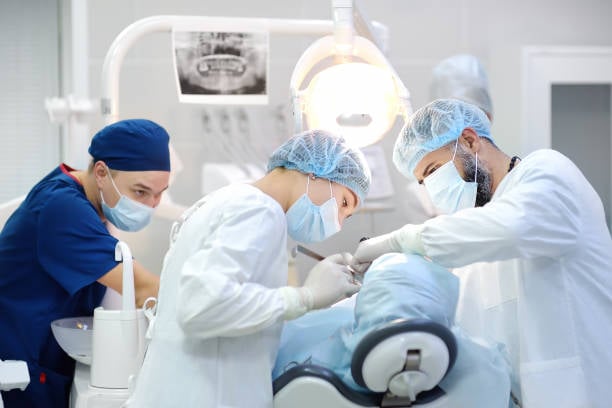
Modern dental implant surgery is designed to be pain-controlled and patient-friendly. With today’s anesthesia techniques, the treated area becomes completely numb before the procedure begins.
This means you remain awake but feel no pain during the implant placement. Most patients describe the experience as comfortable and far easier than expected.
Specialized local anesthetics are carefully administered to block pain signals in the surgical area. Modern delivery methods make the injection itself more gentle and controlled.
The effect is fast, precise, and long-lasting throughout the procedure. If needed, additional anesthesia can be applied to maintain full comfort.
For patients who feel nervous about dental surgery, additional calming options may be recommended. These help reduce anxiety and create a relaxed treatment environment.
When patients feel calm, the procedure becomes smoother and recovery can feel easier. Comfort and emotional reassurance are key parts of modern implant care.
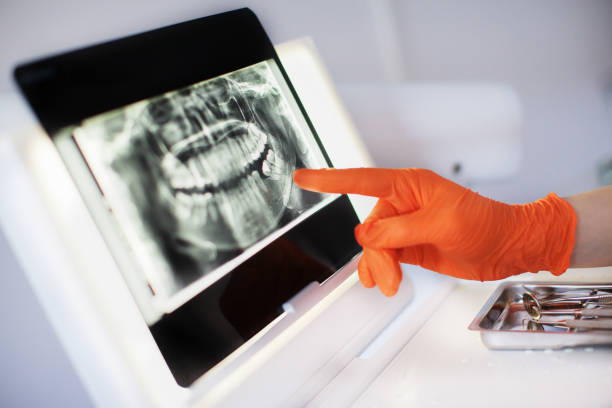
Digital planning starts with advanced 3D imaging that provides a complete view of your bone structure and surrounding anatomy. This allows the implant specialist to analyze every detail before the surgery begins.
Using specialized software, the exact position, angle, and depth of the implant are carefully planned in advance. This eliminates guesswork and increases surgical precision.
Pre-surgical digital simulation helps avoid critical structures such as nerves and sinuses. This significantly reduces risks and improves overall safety.
With accurate planning, the procedure becomes faster, less invasive, and more comfortable for the patient. Digital technology makes implant surgery more predictable and easier to manage.
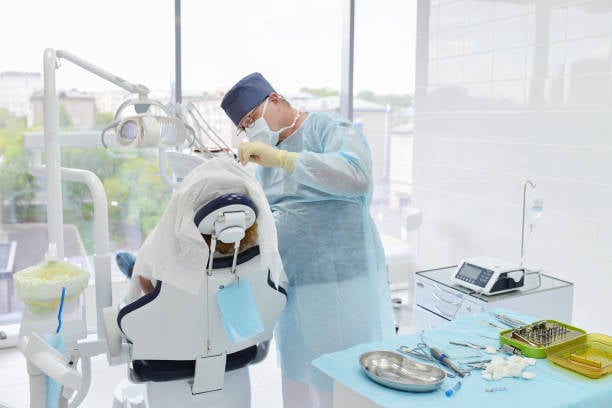
Modern implant surgery focuses on precision and minimal trauma to surrounding tissues. Advanced tools and refined techniques allow the implant to be placed accurately while protecting the bone and gums.
Small, controlled incisions reduce swelling and support faster healing. Less tissue manipulation means less post-operative discomfort for the patient.
Experienced implant specialists use steady, measured movements to ensure stable placement. Precision during surgery directly impacts long-term implant success.
By combining digital planning with gentle surgical methods, the procedure becomes safer and more comfortable. This approach helps patients recover more quickly and confidently.
Before the implant procedure starts, local anesthesia is carefully applied to fully numb the area. You may feel slight pressure during the injection, but it lasts only a few seconds.
Once the anesthesia takes effect, the area becomes completely insensitive to pain. This ensures you are comfortable throughout the procedure.
During the surgery, most patients feel pressure or vibration rather than pain. These sensations are normal and indicate that the implant is being precisely positioned.
Because the area is fully numb, you should not experience sharp discomfort. If you feel anything unusual, the specialist can immediately adjust anesthesia.
When the anesthesia gradually wears off, mild soreness or swelling may appear. This is typically manageable with prescribed medication and proper aftercare.
Most patients are surprised at how smooth and controlled the experience feels. With modern techniques, implant surgery is far more comfortable than many expect.
After dental implant surgery, mild swelling or soreness is normal and usually temporary. Cold compresses applied to the outside of the cheek can help reduce inflammation during the first 24 hours.
Your dentist may prescribe anti-inflammatory medication or mild pain relievers to keep discomfort under control. Following these instructions carefully helps ensure a smooth recovery.
Pain is typically manageable and decreases significantly within a few days. Taking prescribed medication on time prevents discomfort from increasing.
In some cases, antibiotics may also be recommended to prevent infection and support healing. Proper rest and hydration further help the recovery process.
Most patients return to normal activities within a short period. Avoiding hard foods and maintaining gentle oral hygiene supports healing.
Follow-up appointments are important to monitor progress and ensure the implant is integrating properly. With correct care, post-surgical discomfort remains minimal and short-lived.
No, the procedure is performed under local anesthesia, so you should not feel pain during surgery. Most patients report only mild pressure or vibration.
Mild soreness or swelling may last a few days. With proper medication and care, discomfort usually decreases quickly.
In most cases, mild anti-inflammatory medication is enough. Your dentist will prescribe what is appropriate based on your specific case.
Many patients return to normal activities within 24–48 hours. It depends on the complexity of the procedure and individual healing.
You should not feel pain, but if you experience discomfort, the dentist can immediately add more anesthesia. Your comfort is always monitored.
Applying cold compresses and following post-operative instructions helps minimize swelling. Rest and avoiding hard foods also support faster recovery.
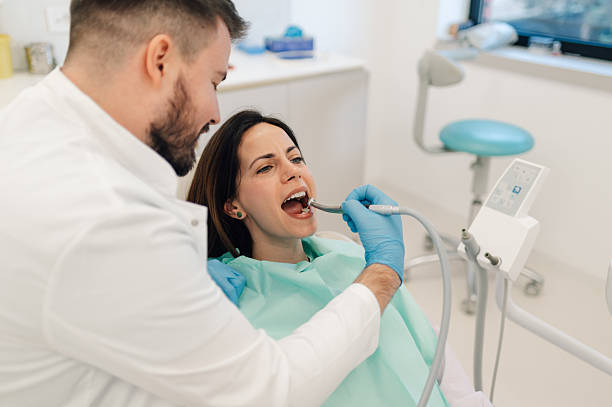
Dental implant surgery no longer has to be associated with fear or pain. With modern anesthesia, digital planning, and gentle surgical techniques, the experience can be smooth and comfortable.
At City Dental Clinic, every step is carefully designed to minimize discomfort and maximize safety. From pre-surgical preparation to post-operative care, patient comfort remains a top priority.
Choosing the right clinic makes all the difference in your implant journey. With expert care and advanced technology, you can achieve a stable, natural-looking smile without unnecessary stress.
Ready to restore your smile without fear or pain? At City Dental Clinic, we make implant treatment safe, modern, and stress-free.
📩 Book your consultation now and get expert answers to all your questions.
Your confident, healthy smile starts here.

