
Dental crowns are an effective solution for the restoration of damaged teeth, but they don’t always last as long as expected. In some cases, they start to break, move or fall earlier than expected, leading to functional and aesthetic issues.
The main causes that lead to their premature damage are related to oral care, the quality of the materials used and personal habits. In this article, we will explain why these issues happen and how you can prevent them so that your dental crowns remain functional and healthy for as long as possible.
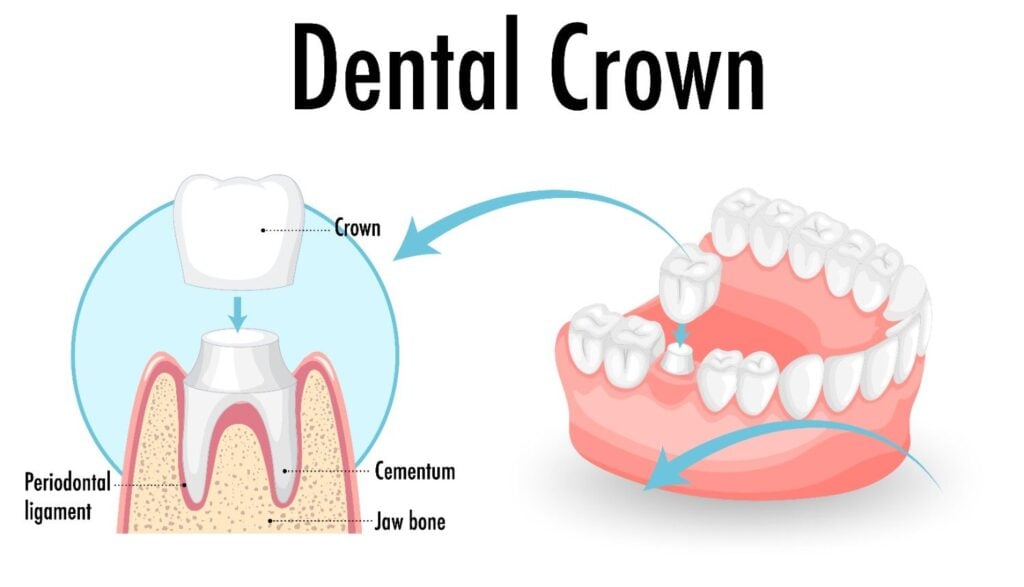
Dental crowns are stable and durable structures that will be placed on top of a damaged, weakened or previously treated tooth to restore its shape, function and natural appearance. They act like a cap that covers and protects the tooth, making it stronger and protecting it from additional damage.
Crowns are usually used after a root canal treatment, in cases when a tooth is damaged or has lost a large amount of its natural structure. They will also be placed on top of a dental implant or can be a part of a dental bridge to replace missing teeth.
Dental crowns are composed of different materials, including porcelain, zirconia, metal or a combination of them. Choosing the right material depends on the location of the damaged teeth, the cosmetic goals and how much the patient is willing to spend. With good oral care, dental crowns will last up to 10-15 years or more.
One of the main causes that leads to premature damage to dental crowns is poor oral hygiene. If bacterial plaque is not properly cleaned, it can accumulate around the base of the crown and cause decay in the supporting tooth.
Cavities accumulated underneath the crown are not immediately visible and will get worse with time. This weakens the tooth structure that supports the dental crown, making it unstable and causing pain.
Crowns can suffer unexpected damage as a result of hard impacts, accidents, or harmful habits such as chewing on hard objects (like ice, pencils, or staples). These actions can cause the crown to crack, break, or move.
Even if there is no immediate sensitivity or pain, these micro-damages can get worse with time, and the crown replacement will be necessary. Being careful on a daily basis is essential for dental crown maintenance.
Teeth grinding, also known as bruxism, is another common cause of dental crown damage, especially when it happens unconsciously. Constant pressure on the dental crowns exposes them to quicker consumption and breakage.
If the patient doesn’t keep a dental guard during the night, this habit will also cause additional issues such as jawbone inflammation and constant headaches. Early diagnosis and treatment of bruxism is essential for dental crown health.
An incorrectly placed crown can create spaces between the teeth or unnecessary pressure on the gums. This makes the accumulation of bacteria and food particles easier, increasing the risk of infection and cavities.
Improper fit will also affect the patient’s comfort and proper bite function. A correctly placed dental crown will look and feel like a normal part of the mouth.
Materials that are used to compose dental crowns play a huge role in their longevity. Crowns composed of low-quality materials are more prone to consumption, damage or colour fade.
Choosing a durable and suitable material for the tooth location (e.g. zirconia for back teeth, porcelain for front teeth) is a long-term investment in the appearance and functionality of your mouth.

Good oral care is one of the most important factors that guarantee the longevity of the dental crown. Even though the crown is an artificial structure, it will be placed on top of a natural tooth that can still be affected by cavities and infections if not cleaned properly.
Dental plaque and food debris that accumulate around the crown base can lead to periodontal disease and cavities underneath it.
Brushing teeth twice a day, using dental floss and using an antibacterial mouth rinse solution helps maintain a healthy environment around the crown area. A crown placed on top of a clean and maintained tooth is much more likely to remain functional and aesthetic for longer.
Good oral care prevents bacterial accumulation and not only protects the crown but also overall oral health.
Regular dental check-ups at the dentist also play an important role. During these visits, the dentist will look for any signs, professionally clean the area around the crown and prevent complications that may call for the need for premature replacement.
Good oral care is not only a healthy habit, but also a guarantee for long lasting results for any dental treatment.
Some daily oral habits that may seem harmless can cause premature consumption of dental crowns. For example, chewing on hard objects such as pens, nails, ice, or food wrappers is one of the habits that can damage the structure of the crowns.
These actions can cause micro-damage to the surface of the teeth, which will get worse with time and can cause overall breakage or separation from the supporting teeth.
Besides this, consumption of acidic beverages such as sparkly drinks, wine or citrus fruits will negatively impact the surface of the crowns and weaken its connection with the natural teeth underneath.
Last but not least, we have the habit of using our teeth as a tool to open packages or bottles that can cause extended pressure on the crown. While crowns are designed to last a long time, they have their limits, and these harmful habits will severely affect their structure.
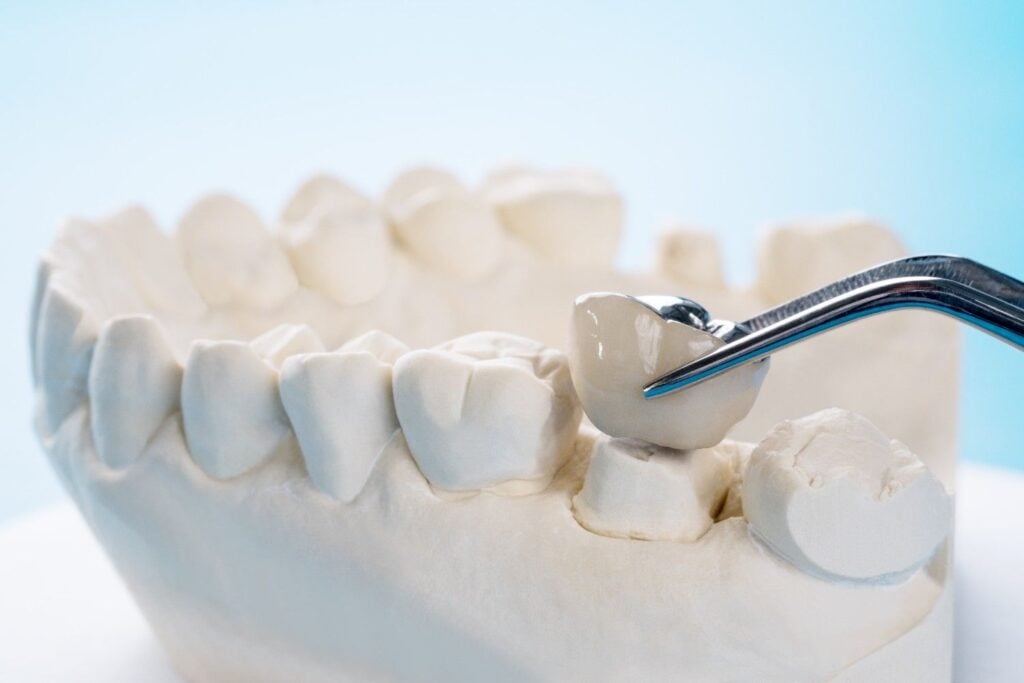
The material used to compose the dental crown plays an important role in its durability and functionality. Crowns can be composed of ceramics, porcelain, zirconia, metal or a combination of these materials. Each of these materials has its own characteristics when it comes to force, aesthetics and resistance to consumption.
For example, zirconia dental crowns are very resistant to breakage and are suitable for back teeth, which endure more pressure while chewing. While crowns composed of porcelain are mostly used for front teeth since they perfectly mimic the appearance of front teeth. Choosing the wrong material for your tooth will lead to premature consumption and damage of the teeth.
Besides the material used, the dental crown design is as important for its longevity. If the dental crown is not designed professionally at a dental lab, it may not fit the tooth correctly, causing uneven pressure, sensitivity or empty spaces where bacteria can accumulate.
Dental crown design requires advanced dental technology and a close collaboration between the dentist and the dental technician. When the crown is prepared with high precision, not only will it look natural and comfortable, but it will also last for a very long time without any complications.
One of the most common mistakes during the dental crown placement process is the improper alignment with the natural tooth. If the crown does not sit properly and cover the tooth entirely, it will create microscopical spaces for bacteria to enter. This will lead to hidden cavities underneath the crown, requiring its removal or replacement.
A crown that is too high or too low can also negatively affect the bite and cause pain, sensitivity, or damage to surrounding teeth. Proper fit is essential not only for the patient’s comfort but also for the longevity of the crown itself.
Another common mistake is the use of inadequate adhesive materials to place the crowns or their incorrect placement. If the adhesive is not applied uniformly or is not suitable for the type of crown, it will shift or fall as time passes.
Dental crown stability depends on the dental adhesive force. When the right technique or material is used, the crown will remain stable, functional and aesthetic for many years. Mistakes during the last placement stage will destroy all the work that has already been done.
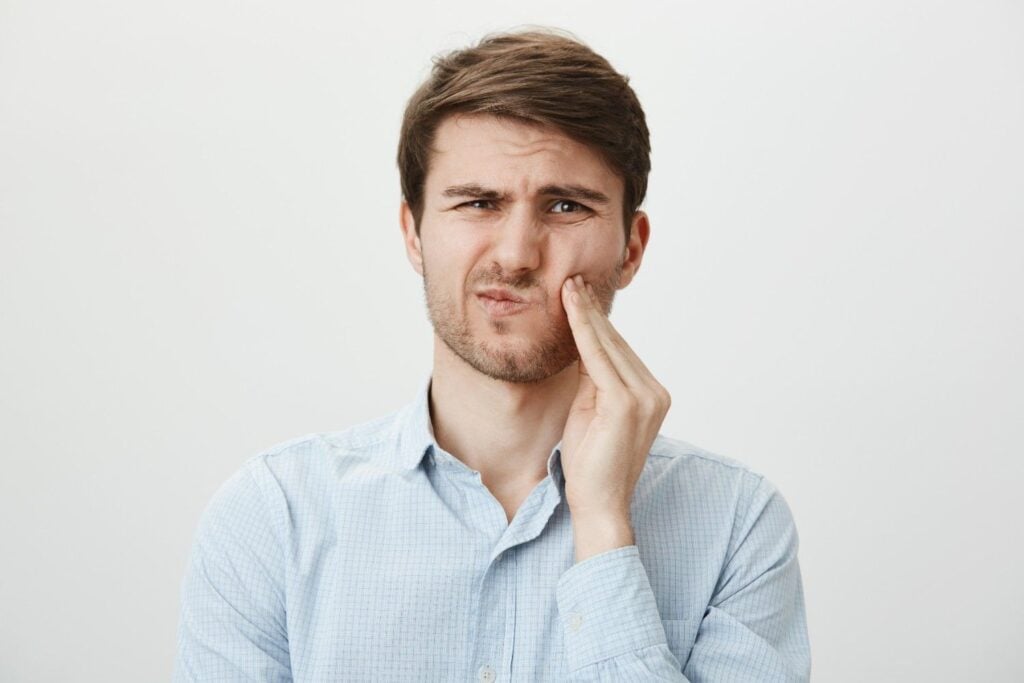
A dental crown may appear stable at first glance, but in reality may have begun to deteriorate in secret. It is important to understand warning signs so you can take prompt action before the situation gets worse. If these symptoms are ignored, they can lead to infections, pain or the need for immediate crown replacement.
Some of the most common signs include:
Brushing teeth twice a day is the foundation of natural teeth and dental crown health. Use a soft-bristle toothbrush and a fluoride toothpaste to clean the dental crown surface without damaging the material. Don’t forget to also clean the area along the gumline, where bacteria can easily accumulate.
Besides brushing the teeth, using dental floss is also important. This will help clean the hard-to-reach areas, especially when the crown is located near other teeth. Additionally using an antibacterial mouthwash is a good addition for preventing gum inflammation and damage of the natural tooth underneath the crown.
In order to maintain the integrity of the dental crown, it is important to avoid chewing hard objects, including ice, pens or hard nuts. These actions increase the risk of damage or shifting of the dental crown, especially if the crown is located on the back area of the mouth, where the biting pressure is higher.
Additionally, it is important to limit the consumption of acidic or colored foods and beverages such as red wine, coffee or tea. As time passes, these substances can affect the appearance of the crown and cause the accumulation of dental plaque. A balanced, healthy diet and constant oral care help maintain the function and appearance of the crowns for many years.
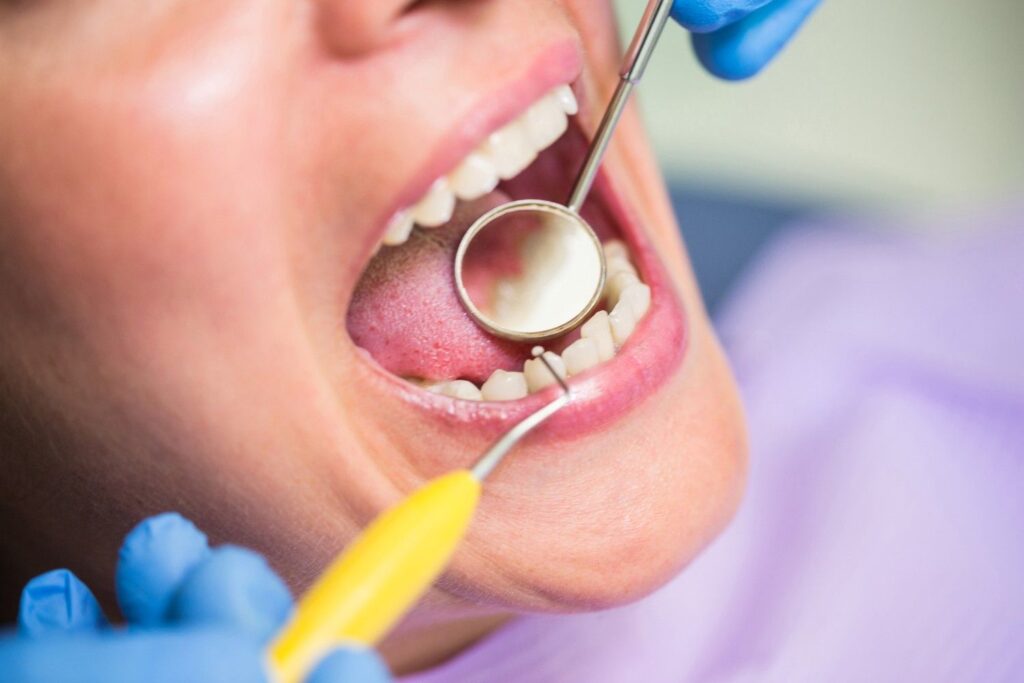
Even though you may not feel any issues, it is recommended to consult the dentist every six months for a general check-up. These visits help early detection of dental issues that are not visible at first glance, such as cavities underneath the crown or inflammation around the gumline.
During the consultation, the dentist can perform a professional dental cleaning, assess the crown placement, and check for bite changes or signs of damage. Prevention and proper care are easier and less expensive than the treatment of advanced dental issues.
If you notice sudden changes like unexpected sensitivity, pain while eating, crown movement or inflammation of the surrounding gums, it is important to contact your dentist immediately. These are clear signs that something is wrong, and immediate intervention may be necessary.
The sooner the dental treatment is addressed, the easier it will be to maintain and protect the existing crown. Postponing the visit can lead to worsening of the situation and the need of more expensive and more complex treatments.
Even though dental crowns are designed to last for a very long time, they are not permanent. If you notice signs or cracks, movement or that the crown doesn’t fit as before, these are clear signs that the replacement is necessary.
If you notice pain underneath the crown, unexpected sensitivity or discolouration of the gum line should not be ignored. These symptoms are signs of damaged supporting teeth or infections that require treatment.
Replacing the dental crown at the right time is an important step that helps maintain oral health, normal biting function and smile appearance. Regular visits to the dental clinic help decide whether the crown is still functional or a replacement is necessary.

