
You may have noticed a lot of young children sucking their thumbs, and even though this may seem like a normal reflex it is important to know what potential issues it can cause. Thumbsucking can seem like a normal habit that brings comfort to the child, but as they grow older it can become problematic.
In this blog article, we will help you understand the effects that prolonged thumbsucking will cause on your child’s teeth, while also emphasizing the importance of finding the right way to stop it at the right time.

It is very normal for small babies and toddlers to put different things in their mouth including their thumbs, since this is their normal way of exploring the things around them. While some other children find comfort in sucking their thumbs others may use their stuffed animals and blanket. Not every child finds comfort in the same things and this is totally fine.
However, according to several studies normally children will stop this habit on their own between the ages of two and four. This habit may continue due to several reasons and if is it not broken it will cause damage to their teeth structure.
As we mentioned before, thumbsucking is a normal habit in children and toddlers, but if your child continues to do it even after the age of 5 then it becomes a case of concern. This is solely due to the fact that when the permanent teeth start developing, the constant thumb sucking can affect the shape and the alignment of the teeth.
It is a known fact that the jaw and bones of children can shift more easily, so during this time it is a good idea to wean him off this habit. See your child’s dentist for advice if you’re concerned about how his thumb-sucking habits may impact the growth of his mouth, gums, or baby teeth while he’s still a baby or toddler.

The age of your child matters a lot when it comes to thumb-sucking. The modifications to the jaw cannot be simply reversed when the child is 3 or 4 years old. The jaw will, however, be more likely to realign itself if a youngster stops sucking her thumb by the time they are two years old.
If the habits don’t stop until they are at school age and the damage has already been done, it is a good idea to consult with a dentist. The main idea is that thumb-sucking should be stopped before they reach school age. Once the grown-up teeth come, treatment will be necessary. So it is very important to not neglect this issue.
Some children may spend more time sucking their thumb than others and this is a cause of concern. If they are only doing it during nap and bedtime, it may be easier to stop, while if the thumb is constantly on their mouth it is more likely that the teeth will be more damaged.
The amount of time that the child keeps sucking the thumb is also important when it comes to the effect that this habit has on the mouth. If this is only happening before they go to sleep for about 5 minutes then it is not a cause of concerts. Also, it is easier to stop the habit if it is not very frequent.
Some children might intensely suck their thumb and some others may just let it sit loosely. If its the first case then more damage will be caused to the alignment of the teeth.
Children frequently thumb-suck, but this activity can seriously harm their dental health. You can see that your child has an overbite or that their teeth are not developing properly if they suck their thumb. Furthermore, tooth decay and gum disease can result from this harmful habit.
Speak with one of our specialized dentists here at City Dental Clinic in Albania if you are worried about how your child’s thumb sucking is affecting their oral health. They can assist you in developing a strategy for preventing your kid from sucking their thumb.
An orthodontic appliance alone may be effective in certain situations to assist in breaking the habit. If, despite your best attempts, your kid still sucks their thumb, more extensive treatment could be recommended.

Although it may look like a simple habit that is common among young children, thumbsucking can have a lot of side effects on their oral health. Some of the most common effects of thumb sucking include:
It is important to understand that not every case of thumb-sucking harms the mouth or teeth. For instance, there is usually no harm done when the thumb is passively held in the mouth.
However, aggressive thumb sucking with a lot of movement can cause damage to primary (baby) teeth, which normally heal when the permanent teeth emerge.
Thumb sucking that is both persistent and severe will eventually result in your child’s permanent teeth becoming misaligned, as well as changes to the jaw structure and roof of the mouth. Additionally, thumb sucking might expose your infant to germs, infections, and dirt.
Excessive thumb sucking can affect the mouth and teeth in a variety of ways. That’s because of the repetitive pressure the thumb and sucking exerts on the teeth, jawbone, and roof of the mouth. It might result in any of the following.
An open bite is when the top and bottom teeth do not meet when the mouth is closed. Overbite is when the front teeth protrude from the jaw and mouth. Other bite issues include the bottom teeth tipping inward toward the back of the mouth.
Changes in the shape of the jaw can also have an impact on speech patterns and tooth alignment, such as the emergence of a lisp. Additionally, the sensitivity of the roof of the mouth is another common issue that comes with thumbsucking.
If thumb sucking stops around the time permanent teeth erupt, the majority of these problems either go away or never arise. Children who repeatedly and intensely suck their thumb may be more prone to these negative side effects that will need to be treated with orthodontic devices.
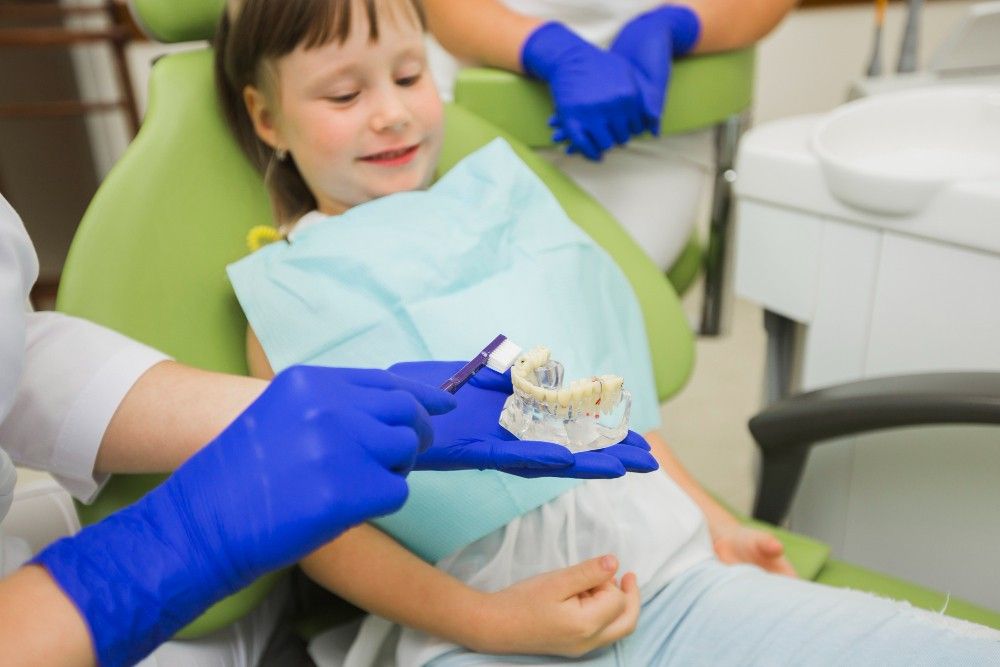
Basically thumb sucking is fine until a certain age since it will calm them down. If your child is not older than 5 then frequent thumb sucking will not cause temporary damage. However it is very important to stop this habit as soon as possible since it will cause several issues especially misalignment of the teeth. If this happens then orthodontic treatments will be needed to shift them back in place.
The percentage of children who suck their thumb is very high. It is important to understand that while at a certain age, this is considered normal and won’t cause any issues, after the child reaches the age of 5, several oral problems will arise.
According to several studies, it is recommended that the child should stop sucking their thumb around the age of 3. If the child is over 3 then they can experience problems with the teeth and jaw.
It is a natural instinct for the baby to suck on things. This can both be satisfied by using a pacifier or thumbs. However, pacifiers are more gentle on the mouth so they will not cause as much damage as the thumbs.
Additionally, pacifiers will be easier to remove since it is an object and not something they have around with them all the time. This being said there is a chance that children will start developing the habit of sucking their thumbs after the pacifier is removed.

