
Some people are more prone to dental issues than others, and genetics can play an important role in this. Being aware of how genetics affect your teeth can help you understand why some teeth are more susceptible to damage, decay, and gum disease.
When it comes to oral health, many factors contribute to its condition. These include neglecting oral care, skipping regular dental visits, and other lifestyle factors that can indirectly impact the teeth.
In this blog post, we will explain in detail how genetics and dental health are connected. Additionally, we will offer some advice that will help you keep the teeth healthy despite genetics playing an important role.

Although some genetic differences are linked to a higher risk of tooth decay, it should be emphasized that preventative measures and good oral hygiene are much more important in preserving dental health. Prescription toothpaste or mouth rinses, together with routine dental checkups and cleanings, may be beneficial for people who are more likely to develop tooth decay.
If you are at a higher risk of developing tooth decay, we recommend regular dental visits at least twice a year. This way the dentist will have a closer look at your mouth and be able to identify the issues in their early stages before they develop further and become more serious.
Gum disease is genetically predisposed in around one-third of the population. A higher chance of experiencing severe dental problems may result from this. Early identification is essential to stop gum disease from worsening and causing future loss of teeth and bone.
The risk of developing periodontal disease can be considerably raised by lifestyle variables including diabetes and tobacco use. Up to 38 genes have been shown to be linked to periodontal disease.
If you are aware that you are susceptible to gum disease the best thing to do is to take the right preventative steps. These important steps will help keep the teeth and gums healthy for a long time without the disease progressing any further.
Genetic predispositions are one of the factors that contribute to the development of cancer including oral cancer. However other factors like smoking and alcohol consumption can be much more damaging.
Oral and throat cancer risk has been discovered to be considerably increased by some hereditary gene deficiencies, such as those linked to Fanconi syndrome. People can reduce their risk of developing oral cancer by being aware of the hereditary risk factors and adopting better lifestyle choices.
Besides environmental factors, genetics also play a role in tooth development, including size, shape and number. Nonetheless, a healthy lifestyle, frequent examinations, and excellent oral hygiene can help prevent inherited dental issues and preserve dental health.
Maintaining oral hygiene is very important in individuals who are at a higher risk of developing oral issues due to their genetic predisposition. This way your teeth will remain healthy for a very long time without the need for additional procedures.
The development of the enamel, dentin, and pulp is significantly influenced by genes. They can significantly alter how teeth are shaped. Disorders including tooth agenesis and amelogenesis imperfecta, which impact dentin development and tooth morphology, can result from mutations in these genes.
Even while hereditary factors influence tooth form, dental issues brought on by genetic predispositions can be avoided by practising proper oral hygiene and living a healthy lifestyle. Also if you want to alter the shape of the teeth there are many ways to do so, including getting veneers, composite bonding, dental implants or dental crowns.
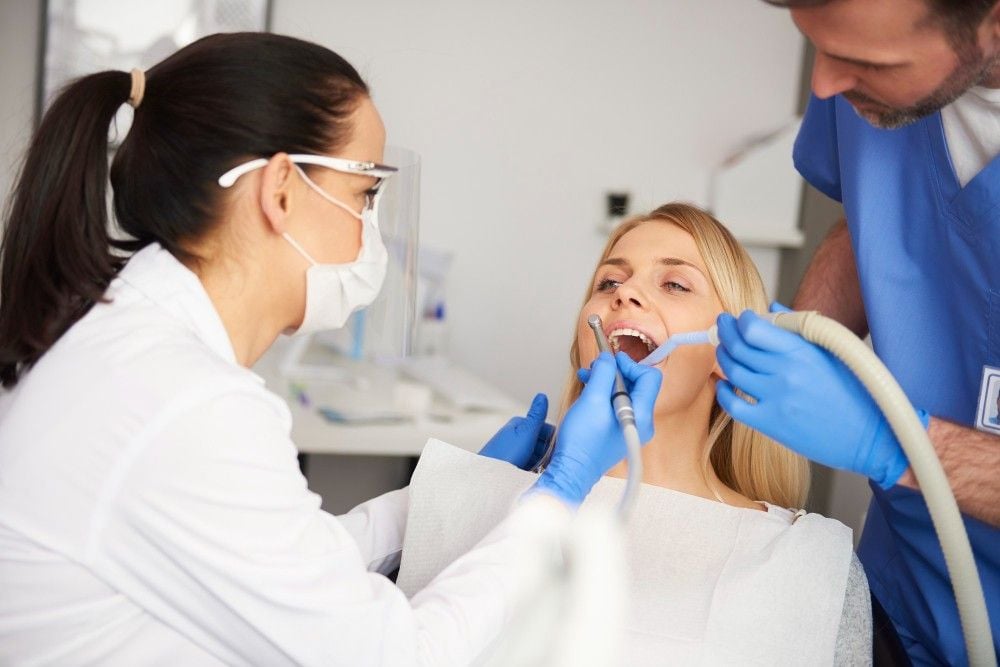
Hereditary dental conditions like Amelogenesis Imperfecta and Dentinogenesis Imperfecta can result in abnormalities in tooth formation and increased susceptibility to decay. These conditions, which are brought about by genetic abnormalities, might impact the teeth’s dentin and enamel, and lead to weak, discoloured, and weaker teeth which are more prone to decay.
For these problems to be managed and further oral difficulties to be avoided, early identification and action are crucial.
A genetic condition called Amelogenesis Imperfecta affects the formation of dental enamel, resulting in teeth that are delicate, discoloured, and prone to decay. Dentinogenesis Imperfecta on the other hand is a genetic condition that affects the formation of dental dentin, resulting in discolored, brittle, and fragile teeth.
Both disorders can have an important impact on a person’s dental health and general well-being. A healthy lifestyle, frequent checkups, and excellent oral hygiene can help manage these conditions and help you live a normal life while having perfect-looking teeth.
Saliva production is very important for keeping your mouth healthy. Saliva helps maintain proper pH levels in the mouth and acts as a natural cleanser while also remineralizing the tooth enamel.
All these benefits are what keep the mouth healthy and functioning. However, issues related to saliva production are very common and sometimes they can be as a result of genetic variations.
Genetically caused changes in salivary content can lead to a number of common problems, including:
Knowing how saliva works to maintain dental health and how genetic variants affect its production will help direct personalized preventative and treatment plans, which will eventually improve oral dental health. Dentists can help you maintain your oral health by identifying genetic variables that influence saliva composition and offering tailored treatments and interventions.

As you may have understood by now, good oral hygiene plays an important role in keeping the teeth and mouth healthy even in cases when the dental issues are due to genetics. We recommend patients have a good oral hygiene routine, attend regular dental check-ups twice a year and have a healthy lifestyle and diet which will contribute to healthier teeth.
In order to manage hereditary dental issues and stop tooth and bone loss, routine dental examinations and early diagnosis are essential. Dentists examine teeth and gums, clean teeth to get rid of plaque and tartar, and perform X-rays for a more thorough assessment during a routine checkup.
By scheduling regular dental examinations at least every six months, dentists may offer advice on dental hygiene and identify oral health problems early on, when they are most treatable.
Regardless of hereditary predispositions, maintaining excellent dental health requires a healthy lifestyle. The essential minerals required for healthy teeth are provided by a balanced diet that includes dairy products, high-protein meals, and fruits and vegetables high in fibre.
Frequent exercise has several advantages for dental health, such as:
A healthy, bright smile may be maintained and dental issues brought on by hereditary predispositions can be avoided by leading a healthy lifestyle and maintaining proper oral hygiene.

