
Our oral health is an important part of our general health and one thing you should know is that our mouth is home to a number of bacteria. While some of these bacteria can be normal others can be very harmful to your oral health. In this blog post, we will discuss the relationship between certain foods and these harmful bacteria.
The bacteria in your mouth produce acids when you eat or drink anything sweet, acidic, or starchy. These acids break down even the smallest carbs that are left behind. Sadly, the enamel of your teeth is eroded by the same acids that break down food.
This chemical reaction produces plaque, a bacterial-filled layer that, if left untreated, hardens into tartar. Gum disease, persistent halitosis (bad breath), and a fuzzy sensation on your teeth are indicators of plaque and tartar accumulation. Plaque may seriously harm your teeth and general oral health, from cavities to gingivitis. Some of the main foods that can cause this are:
Sugar content is high in soda, fruit juices, sports drinks, and energy drinks. Even sugar-free substitutes include acidity, which erodes the enamel on your teeth. These sugary beverages effectively coat your mouth with acids that erode the enamel of your teeth. Additionally, they cause your mouth to become dry, which prevents saliva from properly cleaning your teeth and mouth.
Replace these sugar-filled beverages with unsweetened options like tea, coconut water, sparkling water, or water. Even though it’s advised to restrict these beverages, if you absolutely can’t resist the urge, sip it through a straw to protect your teeth.

Hard and gummy candy sticks to your teeth in addition to their high sugar content, which feeds germs. They stay in your mouth longer due to their texture, which prolongs the formation of plaque and raises the risk of damage and decay.
This includes candy such as lollipops, caramels, jelly beans, gummy worms, and hard candies. Sour candies are both sugary and acidic, making them more harmful. Dentists recommend these items in moderation or avoid them altogether. Or have an apple if you’re in the mood for something sweet. Their high fiber content and capacity to promote saliva that is acidic can help avoid the negative effects of plaque.

We know that coffee is the most consumed beverage in the world, but you don’t know that if it is consumed in large amounts it can be very damaging to your oral health. Since coffee is an acidic drink, whether it is sweetened or black it can cause the enamel to wear down. Coffee also includes tannins, a chemical that sticks color compounds to your teeth, discoloring and staining them. We know it is hard to give up on coffee since it helps you throughout the day but you can consider brushing your teeth after consuming it or using a straw if you consume frappes or coffee-related beverages.
Foods that are high in vinegar contain a lot of acid which can easily damage the enamel of your teeth. This will demineralize them and cause stains that can be permanent. If you find yourself craving pickled foods you should try and drink plenty of water. This will help balance the effect of acid in the mouth. Also, you can try to combine them with other foods that don’t contain a lot of acid like cheese.
Refined carbohydrates that are heavy in starch have a strong correlation with cavities and tooth decay because starch breaks down into sugar during digestion. This starch has the potential to get stuck between your teeth and promote the growth of plaque. Foods such as crackers, potato chips, white bread, pastries and sweets, white rice, cookies, cereal, high fructose corn syrup, pasta, and artificial sweeteners are examples of refined carbs that you should try to avoid as much as possible. Whenever you consume these kinds of foods you should brush and floss your teeth afterwards.

Drinking alcohol can reduce salivation, which can dry up your mouth and worsen the damaging effects of plaque. Additionally, beverages high in acid like wine and beer can erode the enamel of your teeth. Similar to coffee, red wine, in particular, includes tannins that can discolor your teeth. The malts and black wheat in beer, along with its acidic nature, may increase the probability of staining. Other alcoholic beverages may include a lot of sugar, which feeds the cycle of plaque development.
Before consuming an alcohol that is high in tannins, brush your teeth to remove any plaque. This will make it more difficult for bacteria to get stuck. You should also drink a lot of water to stay hydrated and keep your mouth clean. Avoid brushing right away since this might cause the acid in the alcohol to consume your teeth.
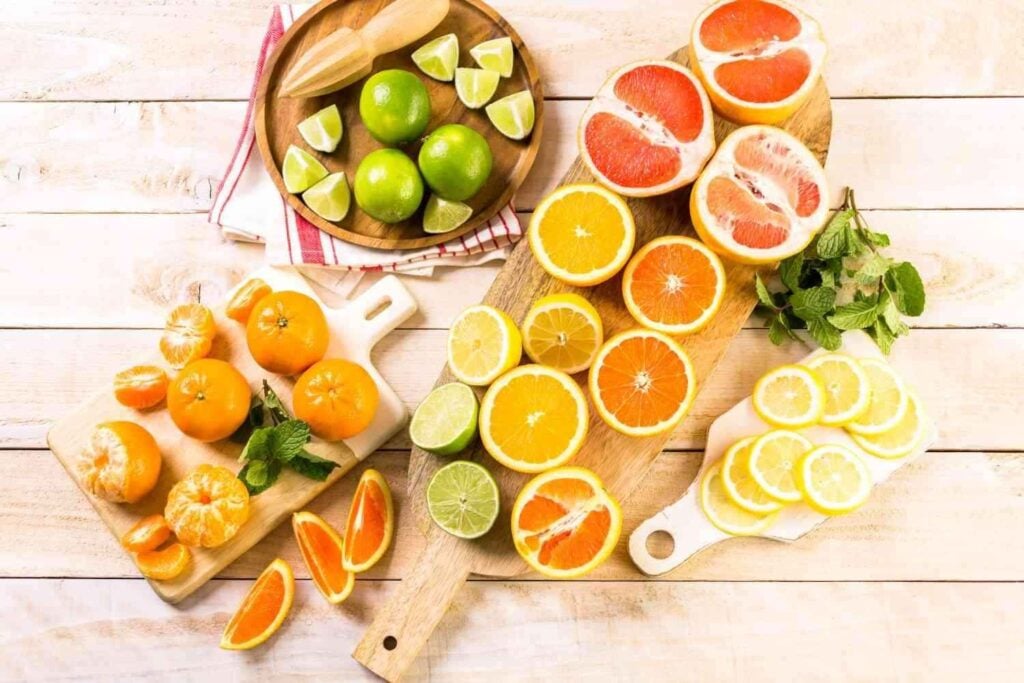
Certain fruits high in acids like lemons, oranges, limes, grapefruits, and grapes can make your teeth more prone to decay since they erode the enamel. If they are dried they will be even more harmful since they can stick in your teeth, boosting harmful bacteria. Try to limit the consumption of these fruits high in sugar and acids and try to drink as much water as possible. Since they end up getting sticky we also recommend you floss your teeth.
Although ice is water and does not have any harmful ingredients, its texture will definitely damage the teeth. Chewing ice regularly can chip, crack, and definitely break the teeth. If you have crowns or implants it will also damage their structure. It is highly advised that you avoid chewing ice and try to substitute it with crunchy foods that will give the same feeling.
As previously mentioned, vinegar has a high acidity that can erode tooth enamel, leaving teeth more vulnerable to injury and decay. When left undiluted, apple cider vinegar can break down the enamel on your teeth, making them more vulnerable to decay. To minimize its negative effects, dilute foods high in vinegar while consuming them.

Because they are starchy, potato chips can easily become caught in your teeth. Similar to sugar, carbohydrates are a food source for bacteria. As a result of eating carbohydrates, the bacteria on your teeth release acids, which are a factor in tooth decay. Make sure to floss after consuming potato chips or similar items to avoid little pieces of food getting stuck in between your teeth.
Although popcorn is a healthier snack option than chips, it may be extremely damaging to your teeth for a few reasons. We usually eat popcorn while watching a long movie, which increases the amount of time germs might harm your teeth.
Furthermore, it’s almost impossible to consume popcorn without getting popcorn trapped in your teeth. After you finish eating drink a lot of water, and floss your teeth to remove any leftover particles. Furthermore, if you bite down on one of those hard, unpopped seeds by accident, it can easily break your teeth.

For many different reasons, cheese is among the most beneficial foods for dental health. It has high calcium and a low sugar content. It is composed of casein, a protein that is very helpful in strengthening dental enamel. Cheese also has a lot of calcium, which is good for keeping your bones strong. Additionally, dairy has a high phosphate content, which balances the pH levels in the mouth and protects dental enamel. Lastly, it helps us produce more saliva, which helps to wash away bacteria in the mouth as we chew it.
When it comes to protecting your teeth, milk is the healthiest beverage—aside from plain, fluoridated water. It contains a lot of calcium and other vital nutrients. Similar to cheese, milk reduces oral acid production, aiding in the prevention of tooth decay. Probiotics and calcium found in yogurt also will guard against gum disease, cavities, and even foul breath.
Water is unlike any other beverage and is by far the healthiest option available when it comes to oral health. Since 60% of our bodies are composed of water, maintaining proper hydration can help your body absorb and utilize nutrients, eliminate waste, and keep your muscles and skin healthy. Additionally, drinking water—especially fluoridated water—really does help keep your teeth healthy. One of the simplest and most effective ways to help prevent cavities is to drink fluoridated water. Water also maintains salivary glands functioning normally and aids in washing away food particles.

If you are craving chips and need to feel the crunch we recommend you try replacing them with nuts or lean proteins. Try consuming lean foods such as fish and chicken on your plate, and include basics like beans, eggs, and leafy greens. These foods are rich in essential nutrients and minerals that support dental health by maintaining the health of teeth and jawbones. Along with balancing the pH levels in the mouth to prevent the growth of germs that cause cavities, they also aid in the rebuilding and healing of damaged tissues.
Because they are high in nutrients and low in fat and calories, vegetables need to be a priority in your diet. Vegetables include vitamins and minerals and aid in saliva production, which cleans your teeth and maintains the strength of your enamel. Low in calories, leafy greens such as kale and spinach are rich in vitamins and minerals. You could eat as much leafy green as you like as long as you don’t overdo the sauces and toppings! The health benefits of leafy greens include high levels of calcium, folic acid, and B vitamins.
Vitamin C is a much-needed component in your diet, especially for your oral health. Some foods that contain vitamin C are mainly fruits including grapefruits, strawberries, kiwis, limes oranges. When consumed in moderation they will help fight acid that feeds bad bacteria. Also, your oral health will benefit from it since it is high in antioxidants.
Lean proteins and dairy products like milk and cheese are high in calcium, but you also need vitamin D. This not only promotes the development of enamel but also instructs the gut on how to absorb calcium from the diet. Your body will not absorb calcium without vitamin D, which will instead lead to the breakdown and fragility of the calcium that is already present in your bones and teeth.
Another nutrient that is important for your oral health is magnesium. This mineral will strengthen the enamel of your teeth and the jawbones. But you should be aware that not all magnesium-rich food is safe to eat. Make sure to consume the appropriate amount of whole grains, such as rice, corn, barley, wheat, and oats, to optimize their advantages for oral health. On the other hand, stay away from processed grains because they simply break down into harmful sugars in your mouth, raising your risk of cavities.
Fluoride is one of the most important components of your oral health. However, this doesn’t mean that you should eat your toothpaste. You can easily find foods high in fluoride in the seafood sector, like shellfish, oysters, and fish. If you are allergic or not a fan of them you can try including carrots, beets, beans, and cheese that also contain some amount of fluoride. By doing so your teeth will remain strong, you will avoid tooth decay, and also make them more resistant to the effects of acid.

