
The majority of people have or will suffer from a missing tooth at one point in their lifetime. When it comes to replacing it and fixing this issue you should consider between a single or multiple tooth implant. Both of these procedures have the same function but the processes will be different. The very first step is consulting the dentist whether you are a suitable candidate for any of the techniques or not. One thing is for sure after the treatment is done you will definitely not regret your decision. In this blog post, we will talk about single-tooth and multiple-tooth replacement options, their advantages, and which one will suit you the best.
As we mentioned before if you have a missing tooth, you will have several options to replace it and fix the issue, however, the right one will depend on your needs and goals. After the dentist examines your mouth thoroughly, he will decide which will be the best treatment for you.
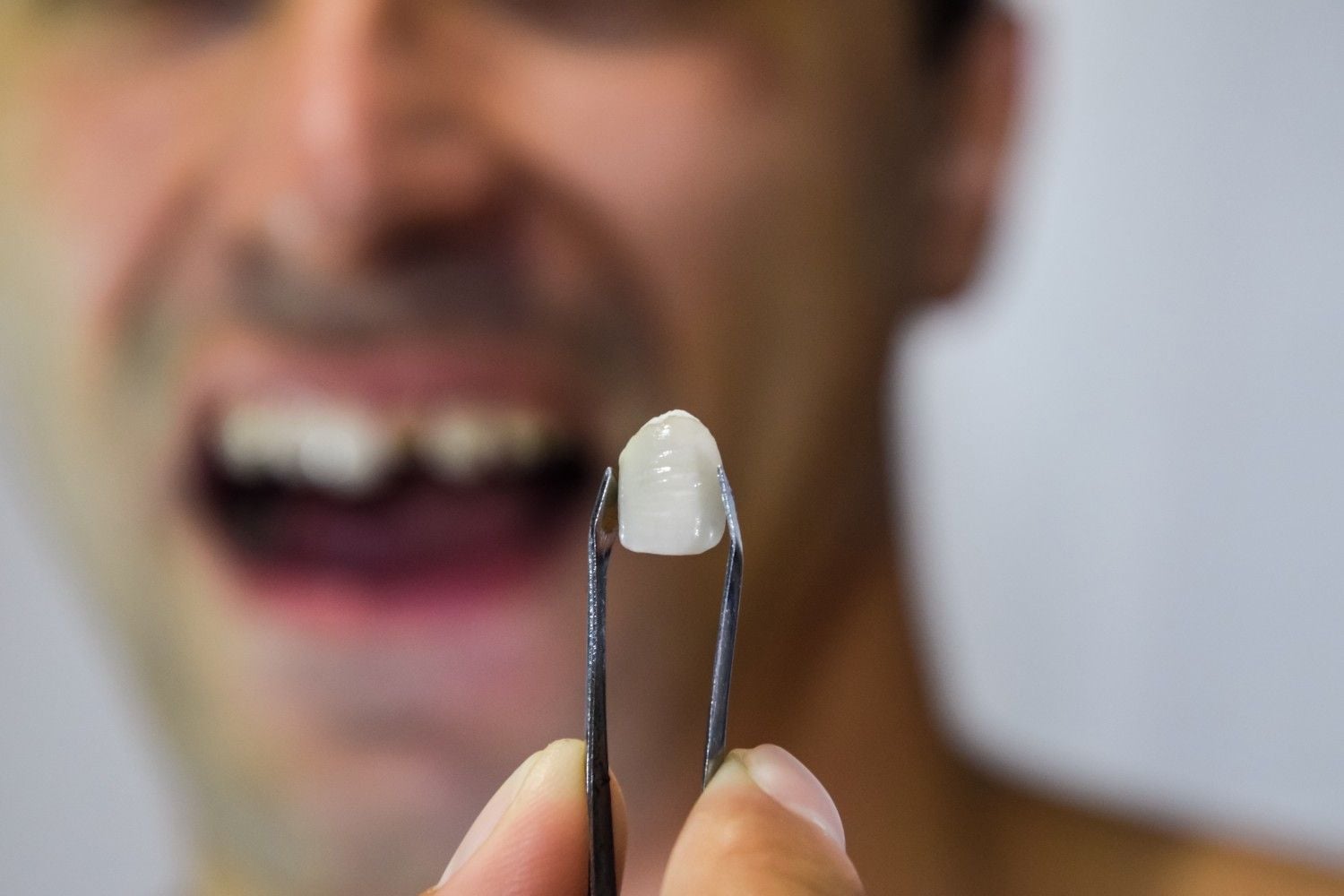
One of the most used treatments to fix a single missing tooth are dental implants. This option offers a lot of advantages since it looks and functions the same as your natural teeth. Another huge benefit is that the implant will not affect the health of the neighboring teeth. Besides dental implants, another way to replace a single missing tooth is a tooth-supported fixed bridge, which requires that the teeth located nearby be in the right state to support the cemented bridge.
Comparing these two procedures, although it depends on your issue, the dental implant procedure has more benefits than a dental bridge. This is due to the fact that since the implant will replace the root, the bone will be preserved better, while with a bridge some of the bone will begin to deteriorate. If you want to keep your jawbone healthier and intact while replacing your missing tooth, we would suggest you go for a dental implant.
Also in the long term, the single dental implant will also be easier to maintain and take care of than a dental bridge. When the metal base or collar of a bridge becomes visible, gums around it may recede and leave a noticeable defect. Resorbed bone beneath the bridge might result in an unpleasant smile. Furthermore, the bridge’s cement may wash off, causing germs to erode the teeth that serve as its anchors.
The first step of the dental implant procedure is placing the implant which is similar to the shape of a screw or a cylinder. The bonding between the implant and the bone will take some weeks. During this long waiting period, the dentist will place a temporary crown over the implant, so you won’t be left without a tooth.
The next step will be very important to the dental implant procedure. After the site has healed the temporary artificial tooth will be removed and the site will be left to heal for a couple of days. This will allow the gums to heal and prepare for the placement of the permanent tooth.
However, you should know that due to the recent advancements in the dentistry field, some implants will not require two steps but only one. If this is the technique used the artificial tooth will be already attached to the implant. However, this will be decided with the help of periodontitis.
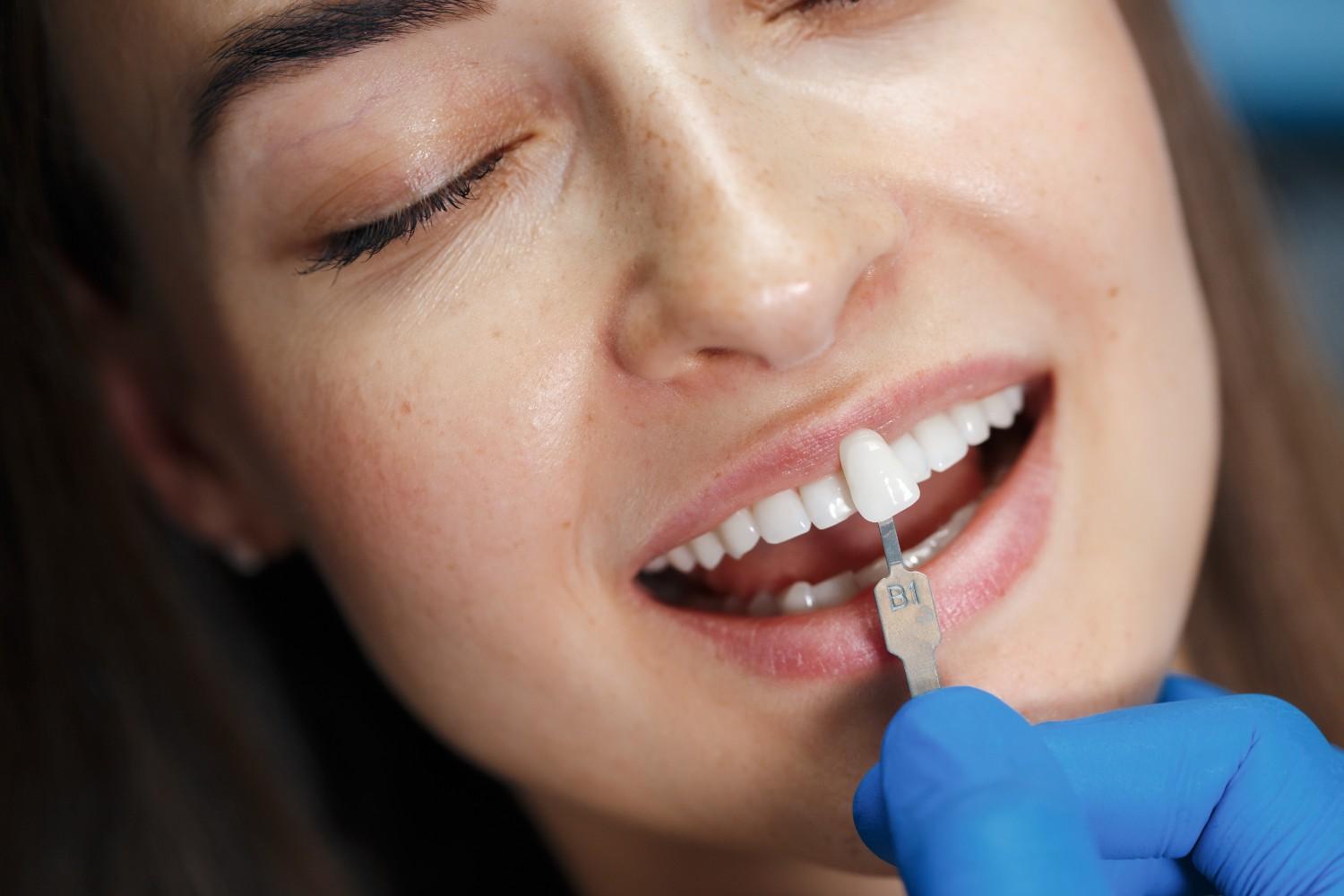
If the dentist decides you should go for the traditional procedure and not for the same day a third step is needed. During this stage, the dentist will create a replacement tooth that is made precisely according to your measurements. After the procedure is done your confidence will be restored and in no time you will be able to eat smile and chew without feeling embarrassed. They will also function and feel the same as your natural teeth so most likely you will even forget you have them on.
Compared to fixed bridges and detachable partial dentures, multiple tooth implants provide a number of advantages. Multiple tooth dental implants replace teeth without requiring the support of neighboring natural teeth, and they also appear and feel like real teeth. Other popular procedures for replacing many lost teeth include permanent bridges or removable partial dentures, which rely on surrounding teeth for support.

When compared to partial dentures, multiple dental implants do not require a lot of upkeep which is another benefit. They will function the same as your natural teeth and you will not need to remove and clean them every time you eat or every night. However, do not forget to brush your teeth and implants twice a day and floss every time it is needed just like you would do with your natural teeth.
Additionally, the fact that dental implants will replace the whole structure of your teeth including the roots, the jawbone will be better preserved. This is a huge benefit of implants since it will help keep the bone healthy and your teeth will be kept in their place. On the other hand, if you go for a fixed bridge or a removable partial denture, the bone may start to deteriorate which will cause the jawbone to recess and collapse, making your mouth look collapsed and unattractive. Another issue that will happen if you don’t choose a dental implant will be that the dental cement that holds down the bridges has the possibility to wash out which will allow the bacteria to decay teeth that anchor the bridge.
With all this being said, multiple-tooth dental implants will provide a more natural look and function. They are also resistant to decay and will be more comfortable than a fixed bridge or removal partial dentures. However, the decision between all these multiple teeth replacement options should be made with the help of a professional dentist. He will consider factors like the cost and your needs.
The implant-supported bridge consists of three main components which are: the implants which are similar to the shape of a screw or cylinder and will replace the root of your mouth, the artificial tooth which will replace the function and the appearance of your natural teeth and the abutments which will connect the new teeth with the implants.
Usually, the treatment begins by cutting two gum flaps with a knife and peeling them back to reveal the underlying jawbone. As an alternative to elevating tissue flaps, a little circular incision may occasionally be used to get access to the jawbone. The implant will then be placed once a hole has been drilled into the jawbone enough to fit it. Every implant will go through this procedure.
During the healing stage, the dentist might place temporary replacement teeth that you will wear during the healing period so you won’t be left with missing teeth. If not, each implant’s top will have a temporary healing cover put into it to isolate the inside from the surrounding oral environment. After that, the two gum tissue flaps will be reshaped, cut, and placed back over the jawbone and around the healing cap of the implant. The gum tissue will be held in place with a few stitches, which will be taken out in seven to ten days.
The implants and the bone will be allowed to fuse together over the course of the next two to six months to establish the anchors for your new teeth. The implants will next need to be exposed, the temporary healing caps (or temporary teeth) removed, and the abutments attached. After this operation, you will need to let your gums a few weeks to recover.
Lastly, the bridge that was made to look like your own teeth will be connected to the abutments. Soon, you’ll feel like you can eat and talk normally again, and you will feel more confident in your smile.

Just like the name says single tooth replacements options aim to replace a single missing tooth with artificial ones. There are several ways to do this which include:
A dental implant is a tiny titanium post that is inserted into the mandible during surgery to serve as the tooth root substitute. An implant becomes a functional and realistic-looking tooth when a crown has been attached to it after it has fused with the surrounding bone. To find out if this is the best option for replacing a single tooth, visit the City Dental Clinic in Albania.
A pontic (fake tooth) is positioned between two crowns that are affixed to each side of the missing tooth to form a dental bridge. Crowns are put on neighboring teeth to hold the pontic in place, resulting in a bridge of artificial teeth. When nearby teeth already have dental treatment that can support a bridge, this option will most likely be recommended.
Removable prosthetic teeth affixed to a foundation colored like gum tissue make up a partial denture. Clasps or clips that fasten to the neighboring natural teeth keep it in place. In cases when several teeth are lost in various parts of the mouth, this technique is usually advised.
When many teeth are replaced at once, this is known as multiple tooth replacement. Usually, this choice is suggested when there are several missing teeth throughout the mouth or in multiple locations. Several typical choices for replacing several missing teeth are as follows:
As we mentioned before dental implants are one of the most common methods to replace several missing teeth. Factors like the number of teeth that need to be replaced or their location will help you decide wether you are an ideal candidate for dental implants or if you should consider another procedure. However most likely if your teeth are located near each other, you will be considered a suitable candidate for dental implants.
Full dentures, as compared to partial dentures, are used in cases where every tooth in an arch—the upper or lower jaw—is lost. They are made up of fake teeth affixed to a foundation that is gum-colored and pink, resting on the gums and being held in place by natural suction or glue.
This choice is a cross between dentures and dental implants. A whole arch of prosthetic teeth is supported by four to six dental implants that are placed in each arch. This method is frequently advised if a patient has lost every tooth in a single arch.
Although there are several options to replace missing teeth, Dental implants will provide a solid and long-lasting option that restores both function and appearance, whether you need to replace one tooth or several. However, each treatment may have a very different technique and set of factors to take into account.
To choose the best course of action based on your specific needs and oral health condition, you must speak with a licensed and professional dentist. Implant placement, initial consultation and evaluation, the cost, healing phase, and crown placement are the usual processes involved in dental implant operations. You may have a confident smile and a higher quality of life with dental implants if you take the right care of them and maintain them.

