
If you feel a sharp pain in your mouth every time you bite your food, even though there are no clear signs of tooth damage, do not neglect it. This immediate issue might be a signal of something more serious than a cavity.
Causes might vary from a broken tooth to teeth sensitivity or existing dental issues. Correct identification of the issue is the first step towards the right solution and avoiding more complex complications.

The pain that is present only while biting might be surprising and worrying. Sometimes, signs are not visible on the outside, and there are no clear signs of swelling, damage, or sensitivity while brushing the teeth, but as soon as you bite into the food, the pain becomes more intense.
This type of pain is usually related to pressure that is applied to a damaged or irritated tooth. In most cases, this is a result of an internal problem that cannot be seen on the outside.
This can come as a result of a microscopic fracture, a cracked filling, or an infection that is developing in the root. Besides the root of the problem, the pain is not normal, and it is a clear sign that something is not right in your mouth.
In most cases, patients try to ignore the pain, especially when it is present only once in a while. However, this is usually an early symptom of an issue that can worsen quickly if not treated at the right time.
For example, a small untreated crack can become bigger and affect the nerve, leading to the need for root canal treatment or tooth extraction. That is why it is important not to neglect the pain while eating and to require professional assessment as soon as possible.
Tooth cracks are a common cause of localized pain while biting. They happen for different reasons: trauma, long-term consumption, or bruxism.
Also, teeth that are already filled are prone to cracking, especially when the material doesn’t support the structure anymore.
The fracture can be mild, on the enamel surface, or reach the dentine or pulp. The deeper the crack, the bigger the pain. Some of the warning signs of a cracked tooth are:
The treatment will depend on the severity of the crack. A crown, root canal, or, in more severe cases, even tooth extraction might be necessary.

Teeth sensitivity is one of the most common issues that patients experience, especially when the enamel, the outer layer of the teeth, starts to weaken or be damaged. The enamel is the tooth’s natural protection from temperature, acids, and everyday pressure.
When this barrier is weakened, the inner layer of the tooth, known as dentine, is exposed, and the nerves inside the tooth become more sensitive to outside stimuli.
The main causes of enamel damage include aggressive brushing of the teeth with a strong-bristled tooth brush, the use of toothpastes that contain abrasives, frequent consumption of sugary foods and acidic drinks (such as such as citrus juices, vinegar, fizzy drinks), such as gum recession that exposes the most sensitive parts of the tooth root.
Additionally, bruxism might speed up enamel erosion, making the teeth more prone to pain while eating.
If sensitivity is only present while eating or chewing, this is a sign that dentine exposure is directly affecting the nervous signals.
This can lead to sharp, immediate, and unpleasant pain in the tooth. In the beginning, this can be temporary, but as time passes, it becomes more intense and doesn’t calm down.
The initial treatment will usually include the use of specific sensitivity toothpastes, which contain ingredients like fluoride and potassium nitrate to block the dentine canals. In the clinic, the dentist might apply fluoride or other desensitizing materials to strengthen the enamel and protect the tooth.
In most advanced cases, when sensitivity is a result of severe enamel consumption or damage, crowns or veneers might be recommended to cover and protect the tooth for a long time.
Enamel protection is possible through everyday care. Brushing the teeth with a soft-bristled toothbrush, avoiding brushing them immediately after eating acidic foods, and the use of the right toothpastes and regular dental care are necessary steps for keeping the teeth strong and healthy.
Sensitivity is a warning sign, not only a temporary issue, and the sooner it is treated, the greater the chances of avoiding further complications.
Fillings and crowns are one of the most common treatments for damaged teeth, but as time passes, they might lose their functionality and effectiveness.
Factors like natural consumption, bite changes, continuous pressure, or improper closure of the filling might lead to microgaps between the tooth and the material used.
These spaces become home for bacteria, causing new cavities, pulp inflammation, or hidden infections.
Signs that indicate that a filling or a crown is not functioning properly as it should, you will experience pain while biting, sensitivity to cold and hot, a weird sensation while chewing, or a filling material that has shifted or moved from its spot.
In some cases, patients feel a light clicking sound while eating, which can be a result of microgaps or movement of the restorative material.
In cases of crowns, an improper fit might not only cause sensitivity but also damage the gums and surrounding teeth. Metal crowns can also cause galvanic reactions when they come into contact with other metal materials in the mouth, causing a stinging or metallic sensation.
The choice will depend on the damage of damage. If we have to deal with a consumed filling, it should be removed and replaced with a new filling, more stable and correctly fitted.
If the material has failed to protect the teeth from a secondary cavity, most likely, a root canal treatment will be necessary before the placement of a new crown.
When it comes to crowns that don’t fit properly anymore or damaged ones, their replacement is necessary for maintaining teeth function and avoiding damage while chewing.
It is important that every type of dental restoration to be checked regularly while visiting the dentist. Keeping in control the fillings and crowns will not only offer safety while eating but also prevents the damage from getting worse which can leas to tooth loss.
So, every time you feel a change in the way the teeth feel while biting or sense a new feeling, you should seriously consider it and consult a professional.
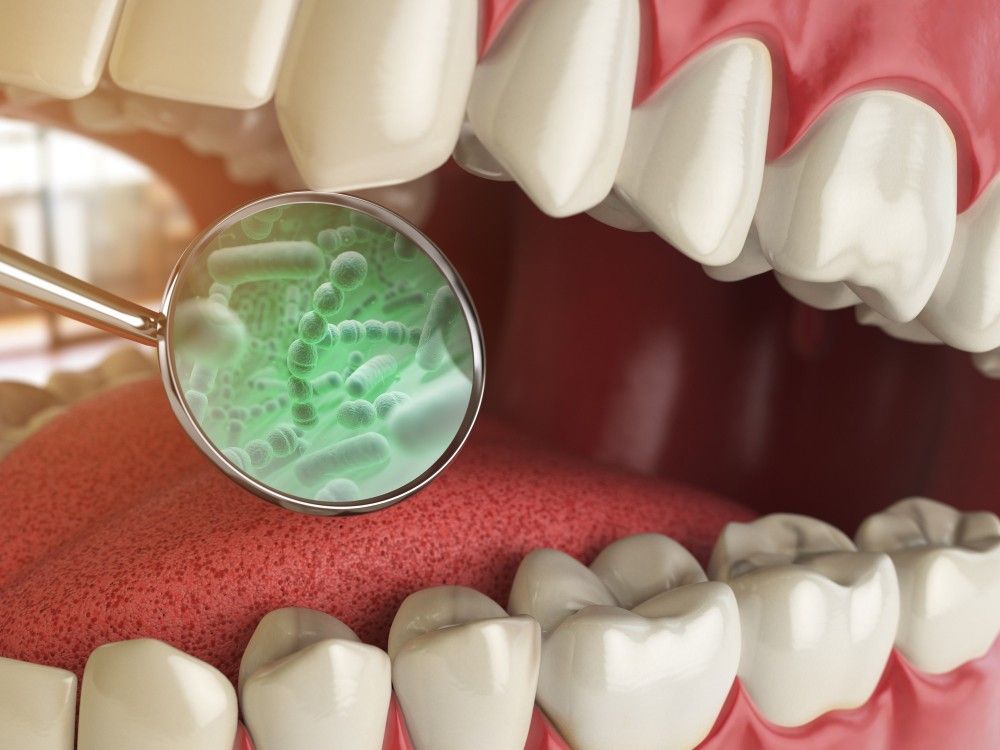
When bacteria reach the tooth pulp, they start an inflammatory chain that ends with pain when biting. Nerve inflammation pulpitis can be reversible initially, but if it is not treated, will become a dead pulp and then to abscess.
One of the main signs of root infection is pain while eating or touching the tooth with the finger. In some cases, this can be a pulsating feeling or a heavy feeling on a damaged tooth. X-rays help understand whether a lesion on the bone is present, which is a clear sign of advanced infection.
The treatment usually includes endodontic (root canal treatment), during which the damaged tissue will be removed, the root will be cleaned and hermetically closes. If not treated at the right time, the infection might spread and cause serious damage on the bone and require the tooth extraction.
Bruxism is a condition in which the patient grinds or clenches the teeth, especially during the night. This behavior can damage the enamel, cause microscopic gaps, and increase teeth sensitivity and pain while chewing.
Common symptoms include:
The treatment includes keeping a night guard, which prevents direct contact og teeth while sleeping. In severe cases, restorative treatments might be required to fix the damage.
If the pain is persistent and sharp while eating, you should not ignore it. This is a sign that something is not functioning as it should on the tooth structure or on the surrounding tissues.
Many patients wait until the pain goes away on its own, but in most cases, it gets worse and requires the need for more complex treatments.
If the pain doesn’t stop in the same spot, immediately go to the dentist, or if you feel sensitivity while eating, or if you notice swelling, or changes in the gum color.
Also, if you have undergone another treatment before, such as filling or crown and they start to feel painful, a professional check-up is essential. Reacting at the right time can make the difference between a simple and more serious treatment.
To correctly identify the cause of the pain while bittinng, the dentist will start a detailed clinical examination. He may ask the time, intensity and when the pain is more persistent, and also analyse the tooth sensitivity though manual testing.
Furthermore, additional diagnostic tools will be used, such as biting tests with soft materials to identify if a specific tooth is sensitive to pressure or has a hidden crack.
X-rays are also an essential tool, as they help detect infections, root damage, or surrounding bone loss.
If the dentist suspects nerve damage, they can perform a tourniquet or electrical examination to assess whether the nerve is alive or not. Also, occlusion will be examined, which is the contact between the two jaws, to examine if any of the teeth handle more pressure while chewing.
Once the cause is identified, the personalized treatment will be decided. It can include changing the filling, replacement of the crowns, treatment of the root canal if the nerve is affected, or placement of a nightguard for bruxism.
In rare cases when the tooth is severely damaged and cannot be saved, its extraction will be recommended. The final goal is to eliminate the pain and to protect the natural tooth function as much as possible.

To avoid unexpected pain while biting, it is important to regularly take care of your teeth’s health and to take preventive measures.
Brushing the teeth twice a day with a fluoride toothpaste and the use of dental floss help keep the teeth and gums clean, reducing the risk of cavities and inflammation.
Also, avoiding hard or cold foods can prevent fractures and sensitivity.
Visiting the dentist every 6 months is essential to identify any issues as soon as possible.
If you have a history of bruxism, using a mouth guard at night can protect your teeth from damage.
Managing stress, balanced diet and avoiding habits such as biting pencils or opening objects with teeth are also necessary steps to maintain optimal oral health. Prevention is always easier as less expensive then treatment.
Pain that only occurs during a bite is an alarm that should not be ignored. They can be a clear sign of a crack, infection, compressed filling, or a deeper issue. The earlier the cause is identified, the more effective and easier the treatment will be.
Do not postpone your dental visit. In many cases, a simple treatment can prevent more complex and expensive treatments in the future, and protect your natural teeth because nothing will replace them the same.
A fast control and correct diagnosis may make th difference between a minimal treatments and a more serious treatment. Immediate care is always easier, less painful and chipper than a treatment that has advanced.

