
The infection and inflammation of your gums and the bone that surrounds your teeth is known as periodontal disease. Poor hygiene may be the cause, but certain individuals are more vulnerable to this kind of illness. Gums that are bleeding and swollen, loose teeth, and foul breath are some of the most common symptoms. Various treatments are offered based on the severity of the condition.

Some of the most common symptoms of periodontal disease include:
Periodontal disease is brought on by inflammation caused by bacteria in the mouth that infects the tissue around teeth. Bacteria that remain on teeth for an extended period of time produce a film known as plaque, which finally solidifies into tartar, also known as calculus. Because tartar accumulation can extend below the gum line, cleaning teeth becomes more difficult. Only a dental specialist is capable of eliminating the tartar and preventing the progression of periodontal disease.
Gums in good health feel firm to the touch. They neither swell nor bleed. On the other hand bleeding, swollen, and discolored (reddish or purple) gums might be a symptom of periodontal disease. Gum disease may destroy your jawbone if left untreated, which might result in the loss of your teeth.
The tissues around your teeth eventually deteriorate. The majority of people actually don’t feel pain when they have gum disease, especially in the early stages. Thus, it’s critical to recognize the warning indicators. Gum disease progresses in four stages:
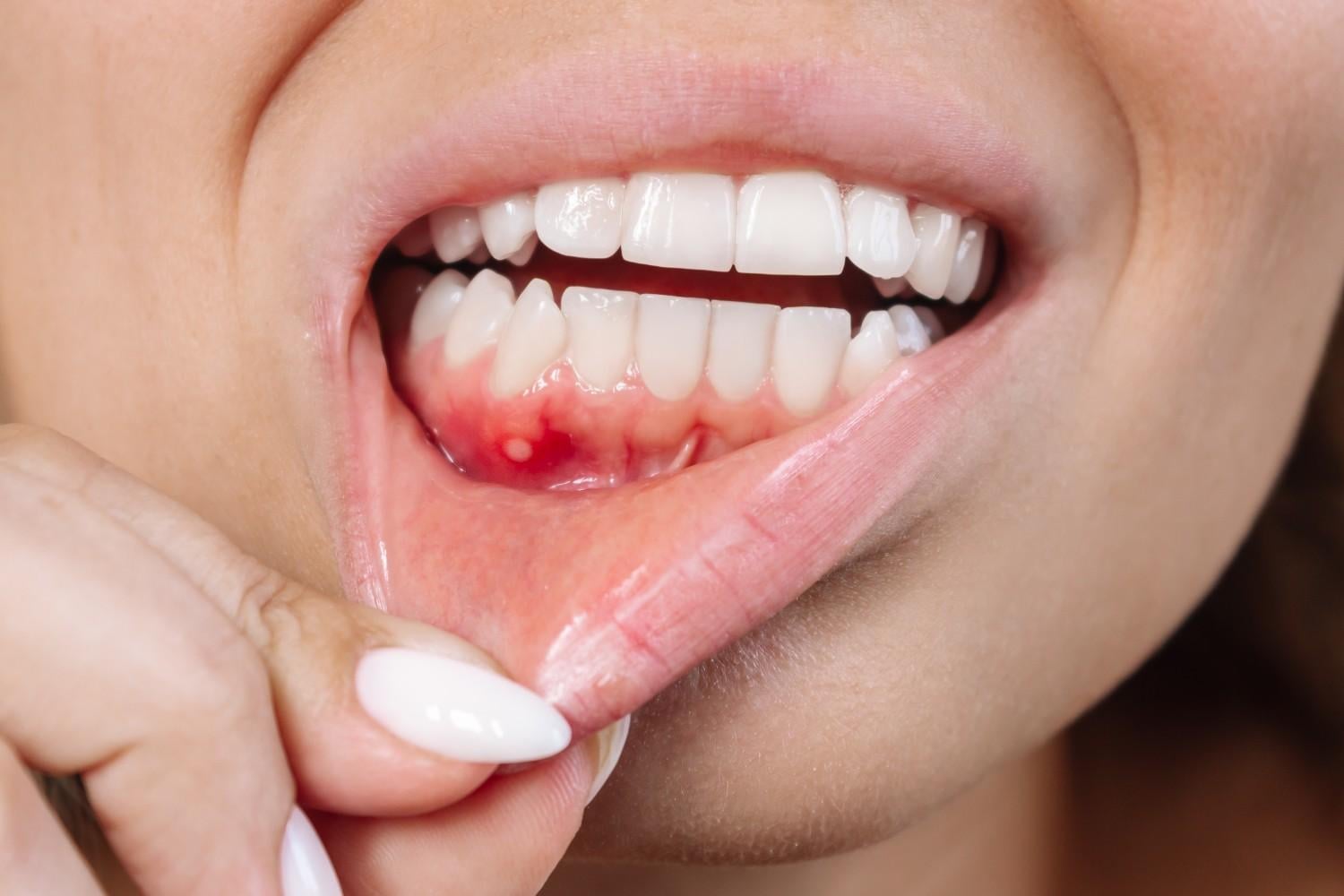
The initial phase of gum disease is gingivitis. The first signs are red, swollen gums that might bleed when you floss or brush. There isn’t any bone loss at this point so with the right care this can be easily treated.
During this stage, your gums have allowed the germs to penetrate and damage the underlying bone. It’s possible for your gums to separate from your teeth and form pockets around them. In these pockets, where your toothbrush and floss can’t reach, plaque and germs prefer to hide.
If untreated, germs start to break down the bone, soft tissues, and ligaments holding your teeth in place. Bad breath and pus (an infection) near your gum line are possible symptoms. At this point, some people start to feel discomfort and pain when they eat.
Bone loss persists as periodontal disease progresses. Your teeth may get loose as a result and finally fall out. Gum disease is reversible if diagnosed early enough. However, the illness is too advanced to be reversed if you have already lost bone surrounding your teeth as a result of infection. On the other hand, with appropriate care and regular, careful dental hygiene, you may keep it in control.
A variety of factors, including genetic, environmental, and medical conditions, can contribute to gum disease. By maintaining good oral hygiene and seeing the dentist on a regular basis, patients can avoid developing periodontal disease. Individuals who have a medical condition that might exacerbate the symptoms of periodontitis or a family history of gum disease need to be particularly careful about checking for this condition. they should be aware of the warning indications of advanced periodontitis since treatment for the condition is far more intrusive than for early cases, and the prognosis becomes worse as the disease worsens.
It takes more than just brushing your teeth to stop gum disease. Every patient should follow a strict daily schedule for dental hygiene. Rinsing, flossing, and brushing should all be part of this routine.
It is recommended that patients brush at least twice a day. It’s important that you choose a toothbrush with the right size and strength of bristles. A dentist may advise a patient on the best kind of brush based on their age, size, and dental health. For more efficient brushing and flossing, a qualified dentist could also advise a patient to use an electric toothbrush or waterpik.
When it comes to regular oral hygiene practices, mouthwash may be a useful tool. Due to the fact that alcohol dries out oral tissue, patients should select a rinse without it. Toothpaste with antiplaque or antigingivitis chemicals will help get rid of oral germs. It is well known that fluoride strengthens teeth, which is beneficial in preventing the damaging effects of periodontitis. Gum bleeding, swelling, and redness can all be lessened with a prescription-strength rinse that contains an agent like chlorhexidine.

Most individuals need a dental examination at least twice a year, according to dentists. In addition to cleaning the patient’s teeth and taking X-rays, the dentist, hygienist, or assistant uses these visits to identify any oral health issues that may require treatment. Gum disease prevention requires dental prophylaxes or routine expert cleanings.
The dentist could advise more regular checkups for those who have gum disease. Periodontal maintenance visits are the term used by dentists to describe these visits. During these sessions, the dentist examines the patient’s gums and the amount of bone around their teeth. Regular dental visits allow the dentist to monitor any changes in the patient’s oral health.
The first manifestation of periodontal disease is gingivitis. Thankfully, there is treatment for this disease, and it is even reversible in its early stages. The initial indications of this gingivitis are frequently bleeding and sore gums, while some people do not even experience any symptoms when their gums are infected. Gingivitis can be brought on by hormonal changes brought on by stress, pregnancy, and bad dental care. In addition, smoking, and vaping, can contribute to the development of gingivitis in the mouth.
A dental hygienist can assist patients in managing gingivitis once a dentist makes the diagnosis. Dental hygiene recommendations may contain directions on how to properly brush, floss, and rinse in addition to a suggestion for specially designed tools, such as electric or soft-bristled toothbrushes, for patients with sensitive gums. If gingivitis is not treated, it can progress to periodontitis, which raises the risk of tooth loss and bone loss.
Gum disease in its late stages might cause tooth loss. Additionally, blood-borne bacteria can lead to rheumatoid arthritis, lung illness, coronary artery disease, poor blood sugar regulation, and other health issues.
Absolutely. Controlling the infection with nonsurgical or surgical therapies is one method for treating gum disease. Regular brushing and flossing will also help to maintain your gums and teeth free of plaque.
Numerous factors can contribute to gum disorders, but the main reason is poor oral hygiene, which leads to the buildup of bacteria, saliva, and other particles that eventually form plaque.
Gingivitis and periodontitis are two types of gum disease. Gingivitis is a less severe type of infection that causes bleeding and swelling of the gums without causing any loss of the tissue and bone that supports the teeth. If left untreated, periodontitis, a serious infection, can lead to the loss of tooth tissue and bone, loosening the teeth and eventually necessitating extraction.
The gum infection must be treated with medication, which might include:
One of the most important steps that you should keep in mind is to maintain a healthy cleaning routine for your mouth. This entails brushing and flossing your teeth at least twice a day to avoid any build-up. Also if you smoke regularly try to limit it as much as possible.

