
The holiday season is the best time of the year and it is filled with joy, festivities, and spending time with your loved ones while eating your favourite foods. Although this is the most loving time for many people, unfortunately, your teeth might not feel the same way.
Enjoying the traditional delicious foods and desserts is very tempting and you can hardly avoid it, since it is also a part of the Albanian holiday traditions. However, it is important to keep in mind that excessive sugar consumption will definitely have an impact on your oral health.
It’s crucial that you find a good balance between enjoying sweets and keeping your teeth healthy throughout the holidays. In order to maintain the health and brightness of your teeth, we will also discuss a few tips for controlling your sugar intake throughout this specific time of year.

Oral health and sweets don’t have a good relationship. This is due to the fact that the bacteria that normally live in our mouths will feed with the acids that carbohydrates and sugar offer them. Eventually, if you don’t control the consumption of sugar this can lead to cavities.
Sugary, sticky foods and beverages are a significant cause of tooth decay and you might know the consumption of these foods will increase during the holiday season. Your mouth’s bacteria can generate more acid the more sugar and carbs you consume, increasing your risk of cavities and plaque accumulation.
Since you will have a lot more free time during this season you will also find yourself snacking a lot during the day which increases the risk of dental issues. Furthermore, we will mention some of the traditional Albanian sweets and their impact on our teeth.
Traditional holiday sweets in Albania are a must in every household. Each one of these sweets has its own delicious flavour and they each hold a cultural significance which is important in our country.
These sweets, which range from sweet pastries to delicious fruit, are essential to Christmas and New Year’s festivities and unite families via shared traditions.
You may have heard previously about Bakllava. This is one of the main dishes that Albanian families consume during the holidays, especially during New Year’s.
Baklava is composed of thin sheets of phyllo dough filled with a generous amount of walnuts and sometimes even pistachios. Overall this composition will be filled with syrup made of sugar honey and water.
After leaving the dough set in the syrup you will get a delicious sweet dessert that you can enjoy with your family and loved ones. This is a common tradition between Albanian families and it symbolizes the upcoming of the new year.
Similar to Baklava we have Kadaif which is another dessert commonly consumed during the holiday season. Their composition is usually the same consisting of nuts, sweet syrup, and phyllo dough. However, in this dessert, the dough will be shredded thinly and baked to golden.
Kadaif is a much-loved sweet treat that many people put on their table during the season. Additionally, most people make it in their home which makes it a nostalgic reminder of family traditions for many people in Albania.
In Albania, Christmas wouldn’t be the same without a variety of pastries and biscuits. These handcrafted goodies, which range from honey-drenched delights to buttery shortbread cookies coated with powdered sugar, are often made ahead of time and offered all holiday long.
Families get together to bake cookies and decorate them with festive decorations like almonds or sprinkles. On warm vacation evenings, these sugary bites go well with a hot cup of tea or coffee.
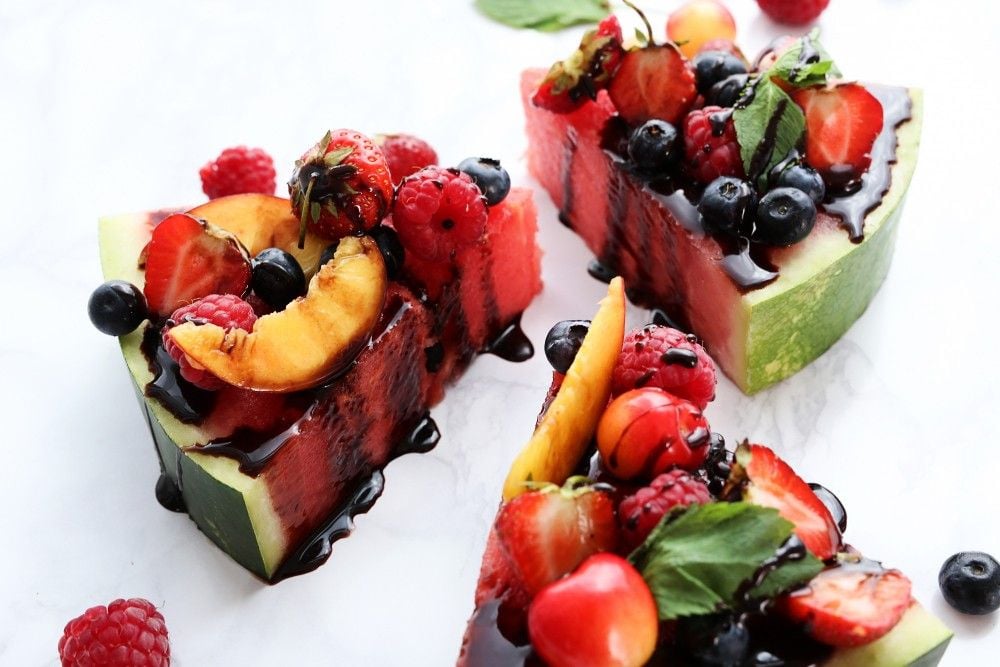
Traditional Albanian Gliko is a must during the holiday season and much preferred. These sweets are composed of sugar and fruit and will be preserved for a long time before they are ready.
They come in different tastes according to the fruits used like figs, cherries, and watermelon rind. To get their flavor they will need to cook slowly in a syrup composition made of water and plenty of sugar.
Since they are very sweet they will be consumed in small portions and if preferred accompanied with raki which is a traditional beverage in Albania. Most Albanian families will make their own Gliko, which shows the effort that they put into their traditions, especially during the holidays.
Although this may seem like just dessert to other people, in Albania they are an important part of our culture. They symbolize generosity, a celebration with loved ones, etc during these festive seasons.
While we know that they are very delicious and hard to resist, we have to say that if consumed in excessive amounts they can be unhealthy. It is very important to find the right balance and enjoy them in moderation while also taking care of your teeth during the holidays.
The first thing in our body that comes into contact with outside factors will be our mouth. This being said our mouth will set the balance between healthy and unhealthy bacteria that enter while we eat or drink.
Sugar in this case is considered unhealthy bacteria and when it enters the mouth it will produce acid which will eventually damage the teeth structure starting with the enamel. This being said, every time we eat sugar, the bacteria will reproduce more and attack the teeth.
Although the saliva function is to control the damage and neutralize the mouth environment, if the individual consumes large amounts of sugar the saliva won’t be able to do as much. This repeated exposure to acid will make the teeth less shiny and fragile.
As time passes if the acid surpasses the enamel layer, cavities will form, which come with pain, and discomfort and call the need for more invasive dental treatments.
Streptococcus mutans and Streptococcus sobrinus are the two harmful bacterial species that grow in the mouth. Both kinds of bacteria produce plaque, the sticky material that dentists remove from your teeth during a regular examination, by feeding on sugar.
This plaque will ultimately turn acidic and erode your tooth’s enamel if it is left on your teeth and is not removed by regular brushing or saliva.
Additionally, sugar will also affect other areas of the mouth such as the gums. If the gums are affected this can lead to gingivitis or periodontitis which are both serious gum diseases.
If you notice these signs and neglect them, the gums will start to recede away from the teeth and eventually make them loose. Keep in mind that these serious effects are rare but possible especially if you don’t control your sugar intake and don’t maintain a healthy dental routine.

The holiday season in Albania is much loved by many and this is for a good reason, and traditional holiday sweets are one of them. While sweets like baklava, kadaif, and gliko are very delicious and part of our tradition, it is important to find the right balance and understand the impact that they have on our general health especially dental.
Here are some tips that can help you enjoy your favorite sweets without compromising your oral health.
Consuming sweets in moderation is very important during the holiday season. You can try eating them in small portions rather than larger servings.
Enjoying one or two small pieces of baklava or kadaif will definitely be more tasteful than overloading your stomach with sugar. Additionally, this means you can enjoy more foods and not feel guilty about the amount of sugar you ate.
As we said balance is key during the holiday season and since we have many options during this period balance will be very beneficial. Sweets go great with other foods such as nuts or cheese which will help you by slowing down the absorption of sugar into the bloodstream and additionally reducing its impact on your mouth.
Additionally, sweets taste great with other flavours so we recommend you give it a try.
Choosing the right time to consume the sweets is very important. For example, eating them after a meal will be less damaging than eating them solely as a snack during the day.
This is due to the fact that saliva production will increase if we eat which serves as a neutralizer for the acids and wash away the sugar. This means you have a lower risk of developing cavities. Instead of consuming the sweets as a snack try yo make them a part of your meal.
Staying hydrated is a must during the holiday season. If you consume a lot of sweets water will help remove sugar and stuck food particles from the teeth.
This simple but often neglected step is very important especially when consuming treats like baklava and kadaif that have nuts which can get stuck in the teeth and promote the growth of bacteria.
We know that baklava and kadaif are a part of the traditional holiday season in Albania but it is very important to prioritize your health. If possible try incorporating healthier alternatives such as natural sweeteners instead of refined sugar.
Regularly eating sweets increases the amount of time your teeth are exposed to sugar, which raises your risk of tooth decay. Instead, to reduce the influence on your oral health, set specific times to eat your favorite desserts and stick to them or consume them after your meals.
One of the most important advice we give to everyone is to don’t forget their oral hygiene routine. No matter how delicious holiday sweets are, you should not neglect your dental care habits.
Try brushing and flossing your teeth at least twice a day with fluoride toothpaste. This will help remove stuck food particles from your teeth and wash away the sugar from the teeth’ surface, which can result in cavities.
If it is not possible to brush your teeth, try rinsing your mouth with water, to remove any possible residual sugars. This will be better than nothing.
Besides being careful with traditional sweets it is also important to be mindful of hidden sugars, that can be found in mulled wines, raki, etc. If possible try to read labels and be conscious of the amount of sugar you are consuming.
You may enjoy all the delicious tastes of Albania’s holiday sweets while keeping a healthy balance by following these easy yet efficient recommendations. You may enjoy the holiday season to the fullest without compromising your health or your smile by practicing moderation, mindful eating, and good dental hygiene.

