
Dental luxation, also known as tooth luxation happens when the inside of your tooth including the ligaments, tissues and sometimes even the bone that holds the tooth becomes injured or damaged. Usually, this is caused by injuries or trauma.
In this blog post, we will explain everything about dental luxation including symptoms and causes, diagnosis and tests, management and treatment, and last but not least what can be done to prevent it from happening.

Dental luxation happens when the inside parts that compose the teeth including the ligaments and bone are damaged due to physical trauma like falls. This can also affect the tooth’s nerves and the blood supply.
The result of tooth luxation will be loose or angled teeth. Sometimes the tooth might even be damaged but not have any noticeable signs on the outside.
Although dental luxation can happen to anyone it is more common among young adults and children. If you have experienced any dental trauma it is recommended to set up a consultation with your dentist as soon as possible. Depending on the severity of the luxation, in some cases, you may need immediate treatment.
Our teeth are mainly composed of two parts including, the crown which is noticeable and stands over the gums, and the root which is not visible and lies within the gums. The crowns consist of different layers including:
Our teeth are located within the alveolar bone, which is the region of the jaw that supports the tooth sockets. The tooth root is connected to the alveolar bone by connective tissue fibers known as periodontal ligaments.
When dental luxation occurs it can affect the periodontal ligaments, and alveolar bone and even cause pulp damage. The treatment will depend on the severity of each case and which part of the tooth will be damaged.
It takes a lot of force to damage the tissues and ligaments of a tooth. The primary cause of luxated teeth in young children is accidents such as falling. Other reasons why people of all ages might get tooth luxation include:
The symptoms of dental luxation will depend on the severity of the damage. Some of the main symptoms can be:
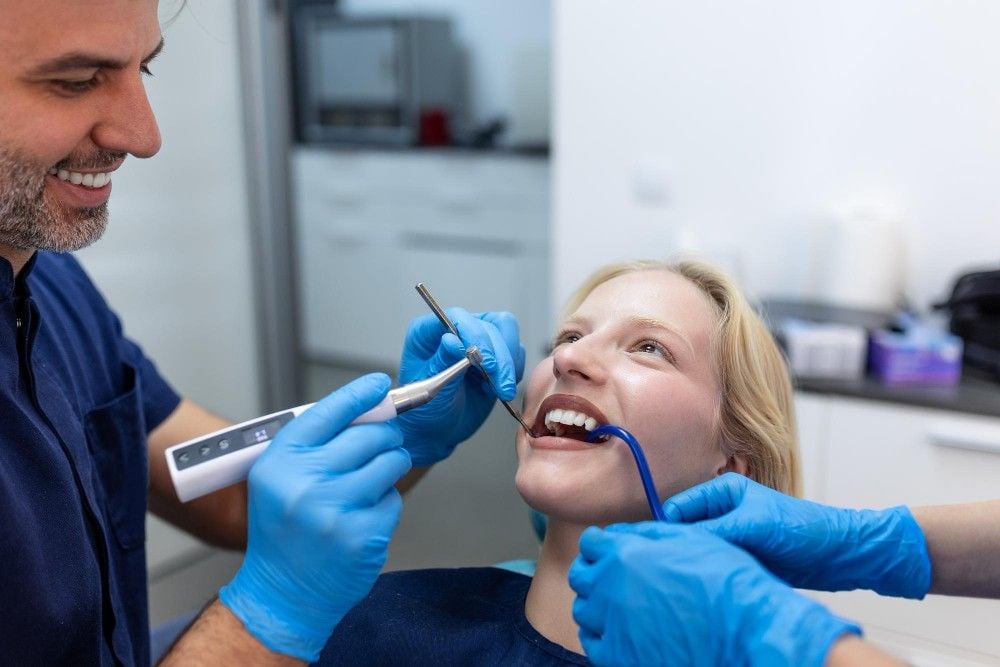
The first step of dental luxation diagnosis will be explaining to the dentist the symptoms you have noticed and what might have been the cause of it. If you have experienced any physical trauma it is important to explain it to your dentist.
To have a better understanding of what might have happened the dentist will:
The severity of dental luxation will vary from serious to mild. Furthermore, we will explain them from mild to serious:
Concussion: A concussion happens when the periodontal tissues, that support your teeth, are injured. Even if your tooth isn’t loose or shifted, it frequently feels sensitive when pressure is applied.
Subluxation: When the periodontal tissues are injured, a tooth becomes subluxated. Your tooth will become loose, but will not be shifted from its natural position. When touched, the tooth frequently feels sensitive. Also, you might notice some bleeding along the gum line near the damaged tooth.
Extrusive luxation: This condition is brought on by the separation of the periodontal ligament. The socket will still be there, but your tooth has shifted out of its place. This will make the tooth appear longer than normal and it will be quite loose.
Lateral luxation: This condition occurs when the periodontal ligament separates and the alveolar bone, which supports your teeth, cracks. The tooth seems to be tilted either forward or backward from the gum line, but it is not loose. When your dentist taps your tooth, a high-pitched metallic (ankylotic) sound will be heard.
Intrusive luxation occurs when a tooth slips up into the socket, causing an alveolar bone fracture, but the tooth does not become loose. When your dentist taps the injured tooth, they will hear a sharp sound.
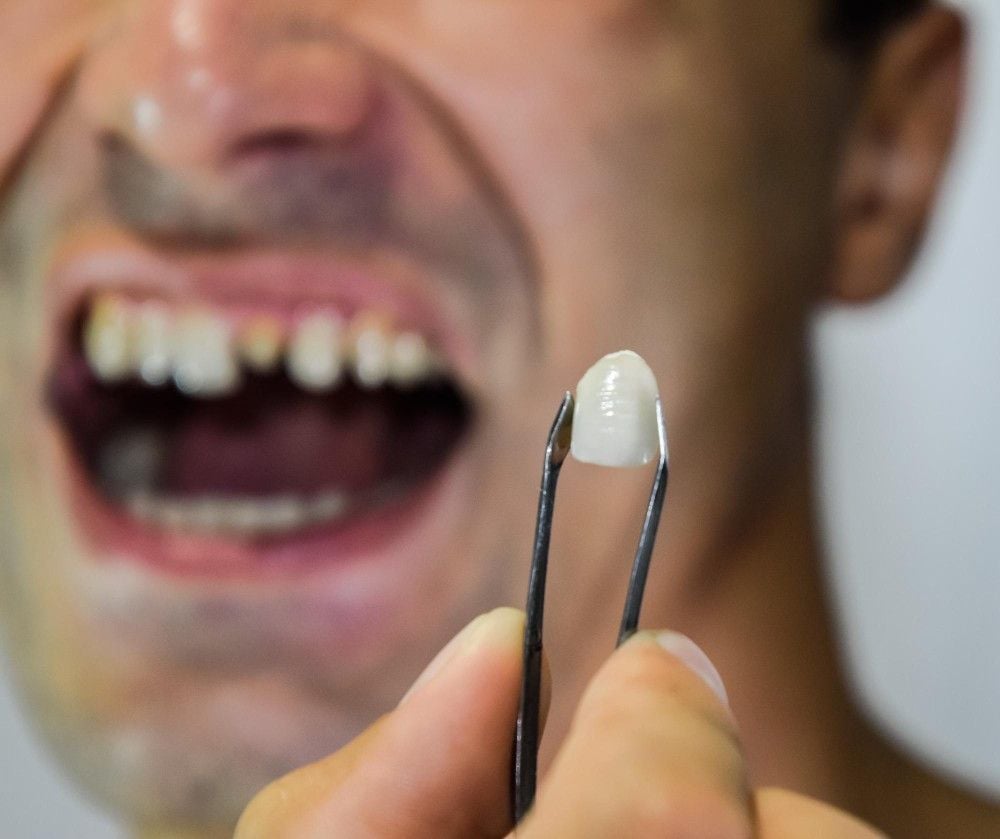
The treatment of dental luxation will depend on the severity of the damage to the tooth structure. In some cases, treatments might not even be necessary as the tooth will heal on its own.
The main purpose of the treatment will be to stabilize the tooth while also monitoring and maintaining the health of the pulp. Treatment for each type of tooth luxation will include:
For a small concussion, treatment will most likely not be necessary. However, the dentist will closely monitor the pulp of your teeth at least once a year to make sure it is not damaged. The same goes for subluxation. While treatment is not usually required, the dentist may splint the injured tooth to the neighboring teeth to help stabilize it if you experience pain when eating and chewing your food.
Extrusive luxation: Your dentist will use saline solution to clean your root, and they will reposition it in its socket. For around two weeks, a splint might be necessary to keep your tooth stable. Additionally, a root canal treatment might also be required if your pulp has been damaged. this procedure will consist of having the pulp removed and after the tooth is clean, it will be filled and sealed.
In order to treat lateral luxation the dentist will need to remove the tooth from its socket and then reposition it back to its socket by forceps. To keep the tooth in place they will also place a flexible splint that you need to keep for about four weeks. After the treatment, you will need to visit your dentist more frequently so they can monitor the pulp and how the healing process is going. If there are any signs of pulp inflammation or dying the dentist will recommend a root canal.
Intrusive luxation: For intrusive luxations, your dentist will either leave your tooth alone to see if it will fall back into its place or might recommend surgery to reposition it. Surgery will also be recommended in cases when the tooth has been pushed more than 7 millimeters into its socket.
After the treatment, you will need to wear a splint for about four weeks. They will be attached to either side of the tooth and will support it throughout the healing process. Splints may be made of wire, metal, or resin.
Two to four weeks after surgery, if your pulp dies or gets irritated, you might need a root canal. Additionally, regular dental checkups will be necessary after two, three, and six months, in order for the dentist to monitor the healing process.
After treating dental luxation, you should protect your teeth by:
The chances of preserving your natural tooth after dental luxation will be much higher if treatment is done immediately. Additionally, to help the teeth stay healthy for a long time, good dental hygiene and regular checkups will be necessary.
After the treatment, your teeth will remain safe for a very long time but the exact time will not be predicted. Some of the complications that can affect the health of the repaired teeth can be:

Usually, tooth luxation will be a result of accidents or injuries. To minimize the chance of this happening you should:
Although dental luxation is very common and can happen to anyone it is most common in children and young adults around the ages 11 to 15. Additionally, 18% of all injuries to children under the age of six are related to dental trauma.
Of all dental injuries, between 21% and 81% are caused by primary tooth luxation. Also, studies show that Tooth luxation is more common in men than in women.
Dental luxation will not be treated at home. In order to treat a luxated tooth you should contact your dentist as soon as possible. They will check your whole tooth structure including the dental pulp and the root.
Tooth luxation is a dental disease that can result in tooth displacement or mobility. Symptoms that patients might experience include discomfort, bleeding, inflammation, and tooth movement.
The American Association of Endodontists explains that tooth luxation can be classified into five stages including: avulsion, lateral, intrusive, extrusive, and concussion. The depth of the damage and the degree of tooth displacement can affect how severe the symptoms are.
A common risk factor for tooth luxation is trauma. Any severe trauma to the jaw or mouth can cause a tooth to shift from its natural position.
Physical altercations, sporting injuries, and accidents can all be a cause of this. The degree of tooth luxation will depend on the type and severity of the trauma. For example, an intrusive luxation is when the tooth is forced further into the socket, but an extrusive luxation is when the tooth slides partially out of the socket.
Tooth luxation hardly happens in the absence of previous trauma or damage. In some cases, dental disorders including tooth decay or periodontal disease can impair the tooth’s structure, increasing its vulnerability to movement or displacement.
These circumstances, however, usually take time to develop, and the tooth might not shift out of its place without an outside force. Tumors, infections, and orthodontic therapy are additional possible causes of tooth luxation.
If you notice any signs of bleeding, persistent tooth pain, tenderness or sensitivity, swellings, and discoloration of the teeth, you should immediately contact your dentist. The earlier the treatment the better the chances of maintaining your natural tooth structure.
Compared to other dental issues like cavities or gum disease, dental luxation is more rare. It is still a serious issue, though, and those who sustain tooth trauma should get help immediately to avoid further complications. Researchers claim that dental luxation is more common in teenagers and children than in older adults.
Dental luxation can be linked to several risk factors. As was previously mentioned, one of the main causes of tooth movement or displacement is trauma. This means that tooth luxation is more common in those who play contact sports or work in environments where the possibility of face injury is higher.
Additionally, it is important to wear protective gear if you are at a higher risk of experiencing facial trauma. Another risk factor associated with dental luxation will be untreated dental conditions such as weak tooth enamel or tooth decay that can worsen the effect of dental trauma.

