
Dental implants are the best technique to replace missing teeth. It consists of three parts including the implant, the abutment, and the artificial tooth. The artificial tooth is called the crown and it will look and feel exactly the same as your natural teeth. Dental implants are considered very effective since they replace every structure of the tooth including the root.
Dental implants have proven that they are very durable and are considered a permanent way to replace missing teeth. It has also been proven to have a 90 to 95 percent success rate and they last for over 10 years. In this blog post, we will focus mainly on the longevity of dental implants and what factors influence it.
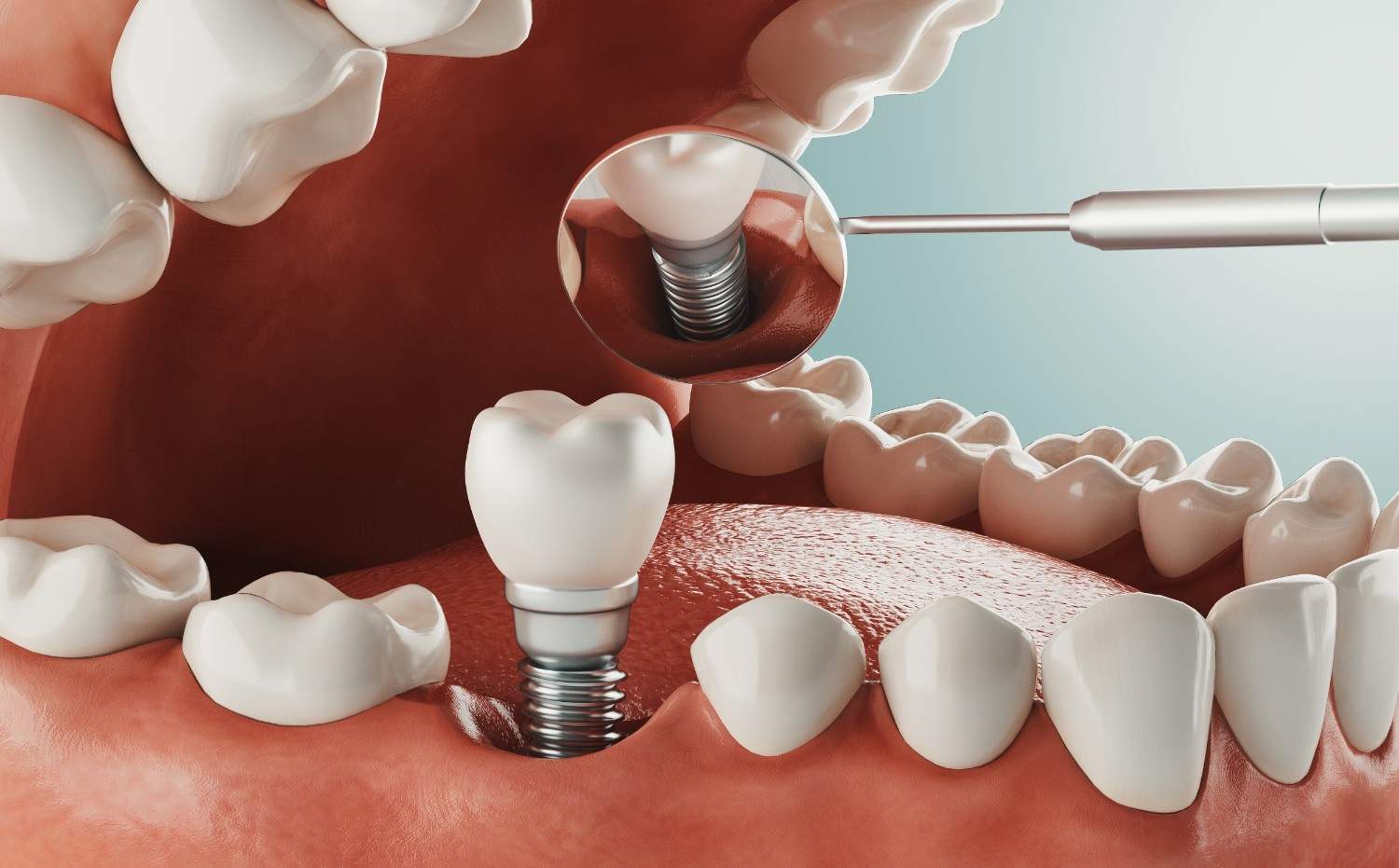
Before we get into more detail we would like to talk about what dental implants are. They are a prosthetic treatment that aims to replace the whole structure of missing teeth including the root of it. The implant is made of titanium, which is a biocompatible material that can fuse with the bone tissue in the jaw. Afterward, the artificial tooth root is then topped with a dental crown to resemble a natural tooth.
It doesnt matter if you want to replace one or more missing teeth, dental implants will permanently fix this issue. It is important to remember that if you want your implant to last you should properly take care of it just like you would with your natural teeth. Don’t forget to brush and floss them at least twice daily. If you follow these basic guidelines, they will most likely last for a very long time.
There are several factors that can affect the longevity of dental implants including the oral health of the patient, their oral routine, and the quality of the materials that will be used. Periodontal disease is also another factor that can prolong the procedure until it is properly treated. Also as we mentioned before taking good care of your implant is very important and it will avoid possible infection and failure.
It’s crucial that you pay attention to the directions given by the dentist supervising the implantation process if you want your dental implants to remain healthy for many years. This includes practicing good oral hygiene and scheduling routine examinations and cleanings. Furthermore, it’s important to take proper care of the implant by brushing and flossing on a regular basis and avoiding hard and crunchy foods.
Overall dental implants are the best way to replace missing teeth and to keep your mouth healthy. They may help preserve good dental health and offer a long-term solution for lost teeth if you take care of them properly. To guarantee the long-term success of the dental implant, it is crucial to be aware of the risks involved and to do as instructed by the dentist.
One of the main benefits of dental implants is that they provide a strong and secure base to replace missing teeth. Since the material used to make the implant is biocompatible such as titanium, there is no risk that the body will reject it. They will serve exactly as your natural teeth without compromising the taste of certain foods.

In some cases some patients may not have sufficient bone to hold the implant and a bone graft procedure or augmentation will be performed. However, due to new advancements in the implantology field, the need for these procedures will be eliminated and they will be replaced by pterygoid or zygomatic implants. In these cases, the dentist will decide which one is the best course of action.
Dental implants offer a lot of benefits for your oral health and they are a stable foundation for the replacement teeth. Some of these advantages include:
During the initial consultation with your dentist, they will need to examine your oral health in detail. First, they will check for any signs of bone loss or periodontal disease. This is a very important step because if you do not have sufficient bone a bone graft or different types of implant will be used. The bone graft procedure will build up the jaw bone so the implant can be stuck. On the other hand, the dentist can recommend pterygoid or zygomatic implants, which work great in these cases.
During the procedure day, the dentist will make some small cuts to make the jawbone visible and place the titanium post. After it is placed, the titanium post will have enough time to fuse with the jawbone and a secure and stable foundation will be formed.
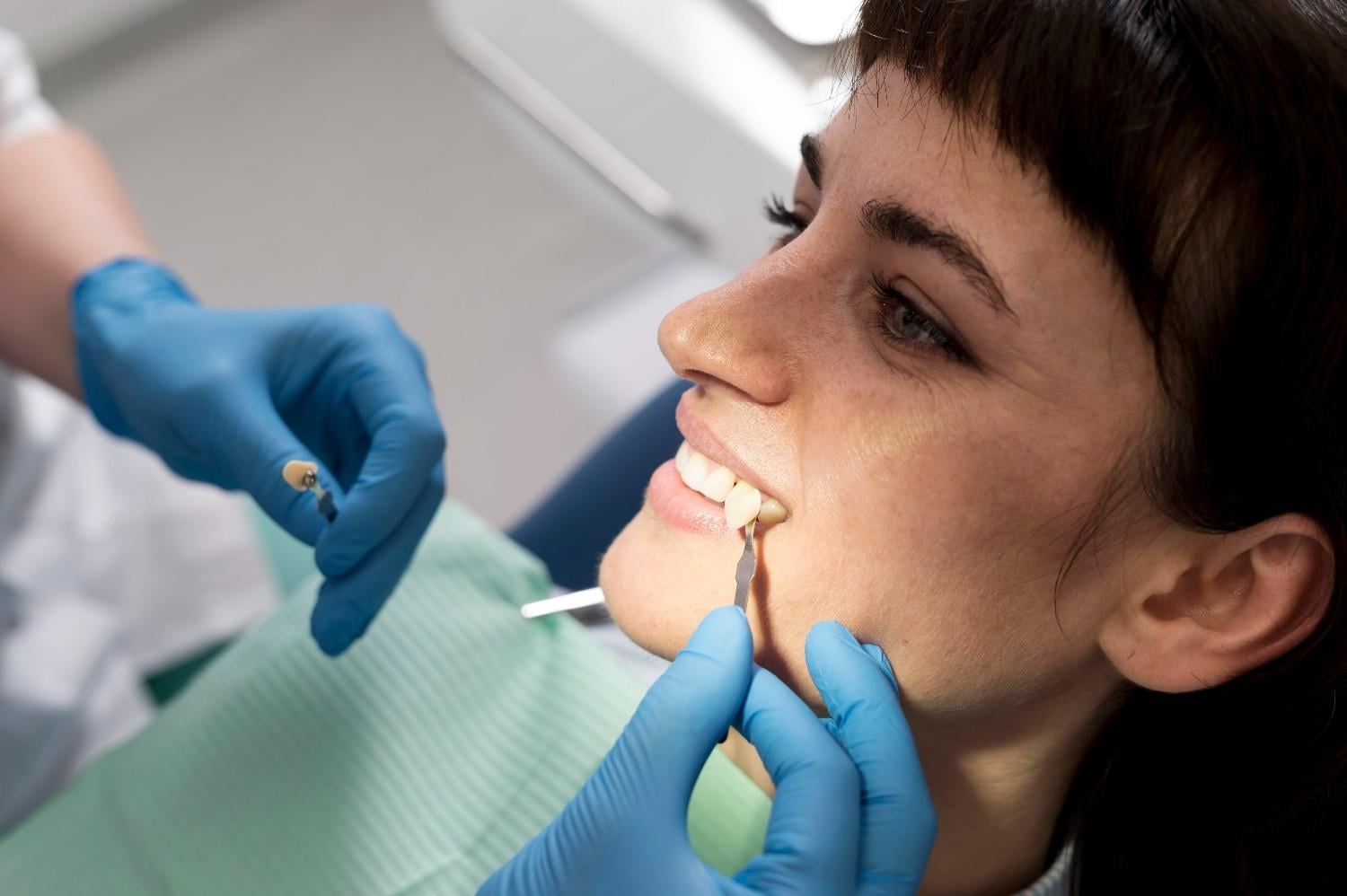
The next stage of the procedure would be to place the new tooth. To guarantee a flawless fit and attractive appearance, the implant dentist will measure and create the dental implant precisely for your mouth. The component that joins the titanium post and replacement tooth is called the abutment and it is used to attach the prosthetic tooth to the titanium post. The new tooth will be placed only after the abutment is positioned correctly.
Dental implant surgery is very safe and also effective when it comes to replacing missing teeth. One huge benefit of this treatment is that it will replace the whole structure of your teeth including the root of it, unlike other tooth-replacing techniques.
As you might know when we miss a tooth or more and we don’t treat it at the right time the jawbone will start to move and shift the teeth. Dental implants are the only way to prevent jawbone loss. Once the artificial tooth is placed it will function and look exactly like your natural teeth.
The dental implant procedure is a successful and cost-effective way to replace lost teeth permanently without compromising the look. The replacement tooth acts and seems like a normal tooth, while the titanium post offers stability and strength. Dental implants provide patients with a permanent replacement for their missing teeth and can last a lifetime with the right upkeep.
The best thing about dental implants is that they are supposed to be permanent and this happens because they are connected to the jawbone through a process called osseointegration. Once this process is complete and the bone and implant have fused, this will serve as a solid foundation for the missing tooth and replace all its structure.
While the implant is intended to be permanent and it will be if the process is done correctly, the crown attached to it may need to be replaced since it will experience the wear and tear process as all your teeth do. However, the artificial tooth placed above will last as long as 20 years if you take good care of it before it needs to be replaced.

Furthermore, we will explain two types of dental implants, their characteristics, and what differentiates them from each other.
The most common type of dental implants used nowadays are endosteal implants. They look like small screws and cylinders and they are composed of titanium or ceramic. This procedure usually takes about two processes. The process is painless since you will be under the effect of anesthesia.
The first step of the procedure consists of drilling the jawbone to create the place for the implant and making the incisions needed. The area will need some time to heal after the implant has been placed. After some time then you will need to come for a second visit. During this visit, the dentist will attach the crown over the implant, and then the procedure will be done.
Sometimes the procedure may need three steps before the endosteal implant is placed because some people may not have a solid foundation to hold the implant. In this case, the dentist might recommend a bone graft, sinus lift, or different types of implants including zygomatic or pterygoid implants which will be attached near your cheekbone.
On the other hand, subperiosteal implants are made to be placed under the gums and on top of the jawbone. They are made out of a metal structure that has tiny extensions that peek out from the gums. Usually, these implants are advised for those who:
Subperiosteal implants are placed under anesthesia, the same as endosteal implants. Implant implantation involves a number of steps. the process starts with Making an imprint of the jawbone as the first step. This ensures that when the implant is inserted, it will fit correctly. To take an imprint, your surgeon will need to create an incision that exposes your jawbone.
The implant should be placed once the treated area has healed. The metal implant frame is positioned so that it rests on top of your jawbone following a gum incision. Crowns can be fitted to the metal implant frame at a follow-up appointment.
While many people’s dental implants endure a lifetime, they may sometimes fail. All things considered, osseointegration or the healing process is usually compromised by external factors that lead to implant failure. The following are some factors that might lead to implant failure:

Maintaining good oral hygiene is crucial for both implants and natural teeth. Plaque buildup can result in gum disease, which harms the gums and the jawbone. Peri-implant disease is the term for an accumulation of plaque that affects the tissue around an implant. It is possible to reverse peri-implant disease in its early phases. On the other hand, if neglected, it may worsen and develop into peri-implantitis, a disease that may eventually cause implant failure. For this reason, maintaining proper dental hygiene is extremely important if you have an implant. This includes:
Endosteal implants must be securely fixed in your mandible. Because of this, if there is insufficient jawbone to properly anchor an implant in place, it may fail. before the implants are placed the dentist needs to do a thorough examination of the jawbone. this can include 3D modeling and X-rays to check the integrity of the bone. If there is not enough bone to support the implant another additional procedure including, bone grafting or more advanced implants like zygomatic and pterygoid. When bone loss occurs, it is not treated it can destabilize the implant and this can happen due to several reasons including:
It has been shown that smokers have a reduced success rate for dental implants. Actually, according to some studies, the total risk of implant failure among smokers is 11%, whereas the rate among nonsmokers is 5%. Smoking can severely affect osteointegration and the healing process by obstructing blood flow to the affected region, which may lead to implant failure. Smoking will also cause damage to your gums.
As you might know, teeth grinding can cause a lot of damage to your natural teeth and this might also happen with implants. Due to this factor, the implant can be fractured and the screw can become loose or fractured. This is due to the possibility that the implant may experience tiny movements as a result of the trauma or repetitive grinding actions, which could interfere with the osseointegration process.
Other factors that will impact the longevity of dental implants and will cause them to fail include:
Like with any other medical procedure, the older you are the higher the risk of failure. This is due to the fact that older people have more underlying health issues and even the healing process will take much longer than in younger adults.
Our oral health can be greatly impacted by the medications and treatments we take. Usually, the most common types of medications and treatments that will impact the health of dental implants are:
Every dental procedure should be done by an experienced surgeon. Some of the drawbacks that may happen if the dentist is inexperienced can be:
Some of the most common signs that show that the implant is failing include:
If you notice any of these signs it is very important that you contact your dentist immediately. Once he does a thorough examination and identifies the issue, he will take the proper steps to fix the issue.

If the implant fails it should be removed. The whole process will be painless since it will be done under the effect of local anesthesia. In some cases, if it is possible the implant will be replaced. This technique has a success rate of over 71% which is high.
Before a new implant can be inserted, a bone graft may be required in cases where bone loss has occurred around the implant. This will help repair bone tissue. In this case, getting your replacement implant can take many months. There are alternative treatments available if you decide against replacing a failed implant or are unable to do so. Dentures and dental bridges are two examples of them.
On the other hand in cases where the patient experiences peri-implantitis, the issue can be treated without removing the implant if the process of bone loss hasn’t started. In this case, the dentist will do a thorough cleaning of the area including the implant and will most likely prescribe a course of antibiotics.

