
We know that most children are very active by nature and accidents are very common. This can happen from a fall while playing, while playing sports, or even if they are biting a hard object.
While accidents can impact every part of the face, usually teeth are the most affected. Knowing what to do in cases of dental emergencies in children is very important and can make significant changes in their oral health.
In this blog post, we will mention some of the most common dental emergencies and explain the right way to handle each one of them. This way we make sure the child’s teeth are safe and prevent further dental issues.
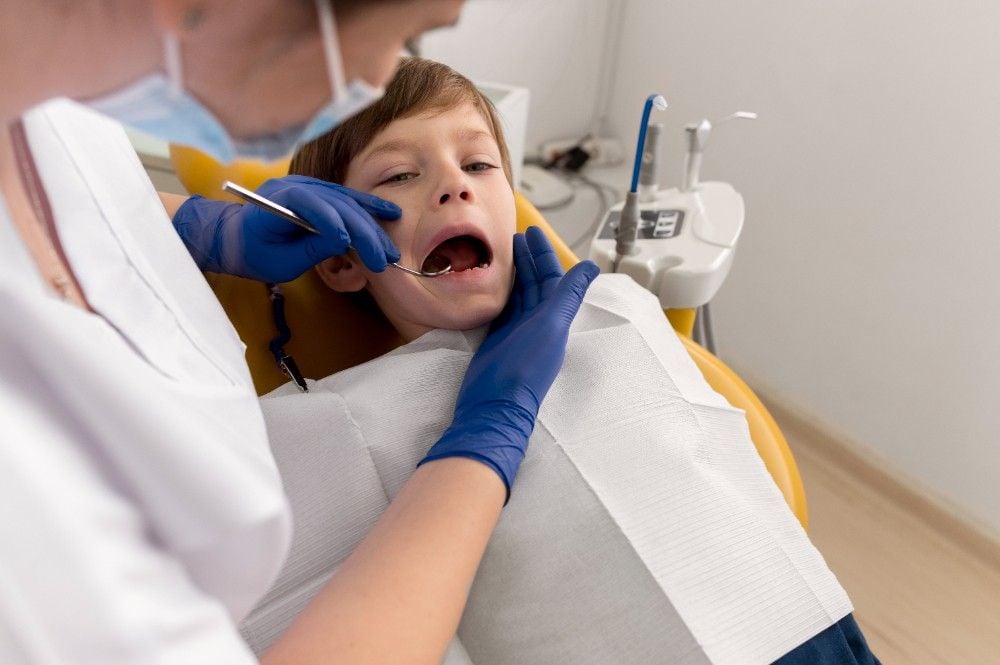
A knocked-out tooth also known as an avulsion is one of the most common dental emergencies that requires immediate care. For children who still haven’t developed their permanent teeth, the dentist won’t recommend reimplantation. However in cases when the child is older immediate care is a MUST.
Here are some of the steps that you should follow if your child knocks out their teeth:
We know that small children have a habit of biting on objects since this is the way they explore their environment. Sometimes biting down hard objects can result in cracks or small chips of the teeth. While in some cases this can cause immediate pain in other cases the child will feel nothing. In these cases, the damage will be worse if you neglect it.
The first thing to do after you notice cracks or fractures on your child’s teeth is to rinse their mouth with warm water. This will help clean the area and reduce the possibility of infection and bacteria.
Since sometimes the damage can also affect the soft tissues and cause swelling, you can apply a cold compress as it will keep it down. Additionally, it may cause a cool numbing effect on the area which will minimize the pain if there is any.
One thing to keep in mind is to encourage your child to use the other side of the mouth that is not damaged to chew their food. This is important since applying pressure on the cracked tooth can cause additional damage and pain.
If needed it is recommended to give your child a pain reliever. This will help minimize the pain and discomfort. However, keep in mind that you should not give aspirin to your child.
If possible, contact your child’s dentist right away. Sometimes these cracks need to be evaluated and if needed treatment will be necessary to avoid further damage to the tooth. Our dental professionals here at City Dental Clinic in Albania will closely examine the child’s tooth and provide the needed treatment.
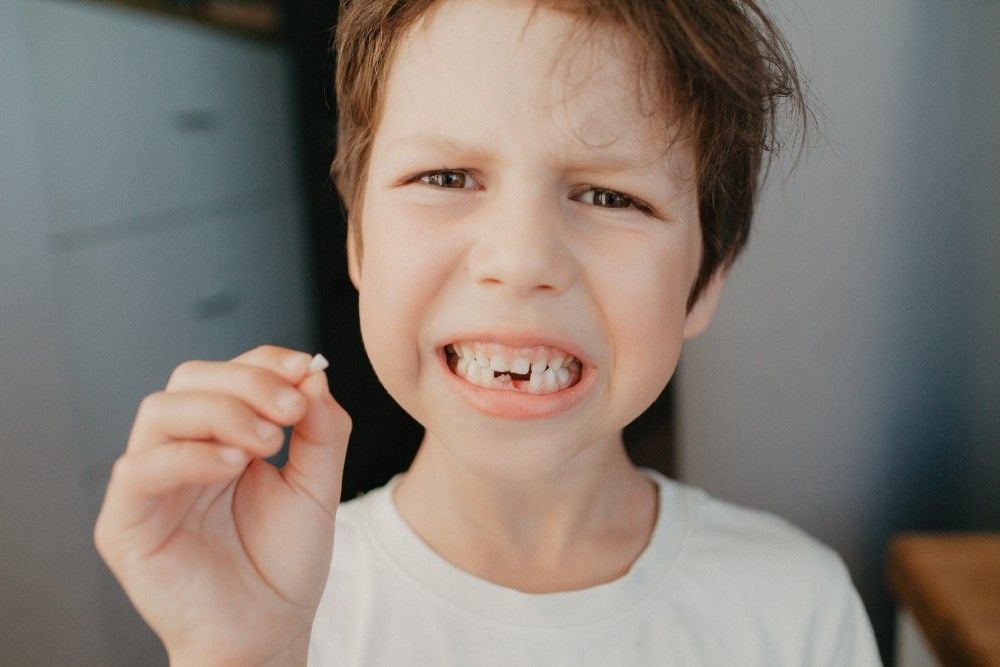
Like in adults, toothaches are also common in children and they can range from mild to severe. While in mild cases this is not considered an emergency, if the pain is persistent it is usually a sign of another underlying issue that needs dental attention.
Some of the steps that you should take if your child is experiencing toothache include:
If your child wears braces it is very common that they will deal with lip and tongue injuries. Usually, these injuries are not that serious and will eventually heal on their own. In special cases, when the damage is more severe extra care will be necessary.
If you notice any wounds the first step you should take is to rinse and clean the area with warm water with a clean cloth. If you notice severe bleeding use the cloth to cover it and apply a slight pressure until it stops.
Since swelling and pain are normal in these types of cases we recommend applying a cold compress over the damaged area. This will help reduce swelling and numb the pain.
If you notice that the child’s wound is big and you have excessive bleeding, medical attention will be needed. So take a close look at how is the area healing and if needed set up a dental appointment.
The most serious dental emergency in kids will be a broken jaw, which can result from accidents that affect the face or the head. This comes with severe symptoms like pain, and difficulty performing normal mouth functions like speaking, chewing, and yawning.
If you notice any signs of jaw damage in your child you can help them by wrapping a cloth or a bandage around the head and chin until you reach the dental clinic. If possible you can also use a cold compress that will help with the pain and minimize swelling.
Breaking a jaw is a serious dental issue in adults and in children and immediate medical care is a necessity. Head out to the emergency room or contact one of our dentists here at City Dental Clinic in Albania.
Although preventing dental emergencies, especially in children is not that easy there are some ways you can help prevent them.
One of the best ways to protect your child’s mouth and avoid damage is to make them wear a mouthguard that will be used during contact sports. These protective mouthguards will be customized for the patient and they will offer great comfort and protection for children’s teeth, especially in high-risk cases.
Proper dental hygiene is important for everyone including children and teaching them young will be very helpful. This includes regular brushing and flossing twice a day and avoiding sugary treats.
These regular practices of oral hygiene will help keep the teeth stronger, support the enamel and reduce the risk of cavities and infections which can lead to further dental issues that will be more difficult to treat.
Your child is constantly learning new things so education will play a big role in the prevention of dental issues. Since they are constantly exploring their body and the world around them it is important to teach them the function of their teeth.
This being said they should know that their teeth should not be used to open objects, package, or bite on strange things besides food. Constantly educating them on their oral health will be very helpful in the future and will avoid dental issues.
If your child experiences dental damage, you’ll want to find the quickest solution, but this can sometimes be confusing since you don’t know where to address your concerns; in the dental clinic or in the emergency room. Here is what you should consider in these cases:
For minor injuries and damage like mild toothaches, knocked out teeth or small damages to the teeth structure visit the dental clinic as they need to be carefully looked at by a specialized dentist.
In cases when your child is dealing with severe injuries such as excessive bleeding or breaking the jaw, it is advised you seek immediate medical attention as soon as possible. In several cases, these issues require medical care not only dental.
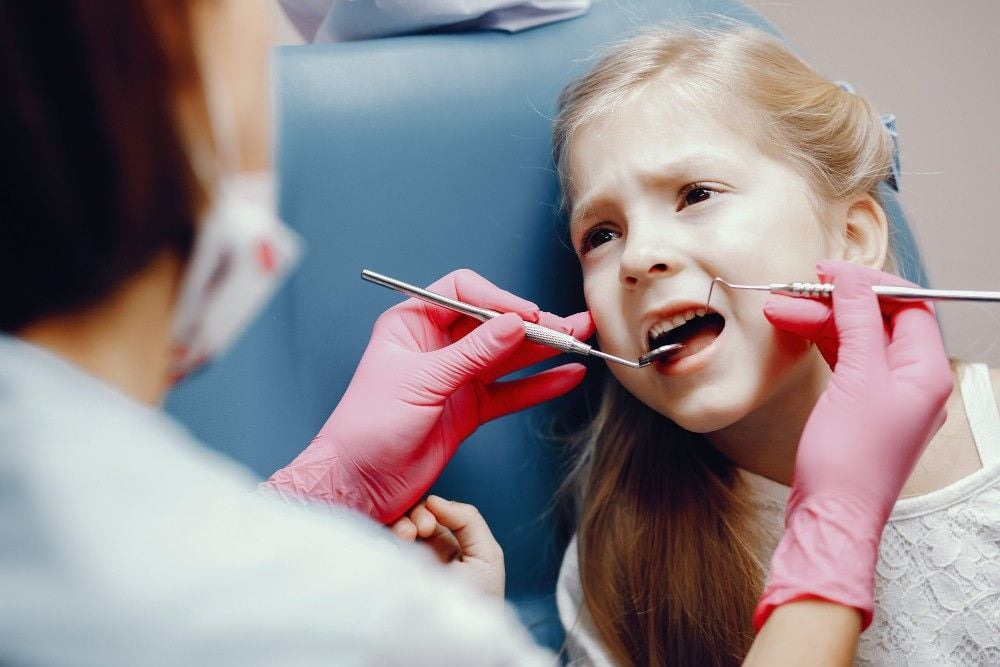
Usually, dental problems such as knocked-out teeth, chipped or fractured teeth cuts or injuries to the soft tissues, swelling, or severe toothaches will be considered dental emergencies in children. If you notice any of these mentioned symptoms it will be a good idea to contact a dental clinic that provides emergency services specialized for children.
If your child is grown and has fully developed his permanent tooth and it gets knocked out the situation should be carefully handled. The tooth should be held by the crown and you should avoid touching the root as it can damage the tissues. If the knocked-out tooth is dirty do not scrub it or use anything to clean it, just warm water.
Make sure the tooth is facing the correct direction before you attempt to re-insert it into the socket. Put the tooth in a jar of milk, saline solution, or your child’s saliva if reinsertion is not an option at the moment. Time is of the essence for the preservation of the tooth, therefore seek dental care right away.
Clean your child’s mouth by rinsing it with warm water. In order to reduce facial swelling, place a cold compress on the damaged area. Gather any fractured tooth fragments and keep them in water or milk. To evaluate the damage and decide on the best course of action, get in touch with your dentist immediately.
Wash your child’s mouth with warm water first. To get rid of any food particles stuck in the tooth, gently floss around the damaged tooth. Aspirin and other pain relievers should not be applied directly to the gums or sore tooth since this might cause tissue damage. Make an appointment with your dentist to determine the reason for the pain if it persists.
Encouraging proper dental hygiene, making sure your child wears a mouthguard during sports or fun times, avoiding hard foods like ice or unpopped popcorn seeds, and teaching them not to bite non-food objects or open packages with their teeth are all examples of prevention. However full prevention is not possible as accidents can happen no matter how much you try to avoid them.
Yes, even if a baby’s tooth is knocked out, you should still send your child to the dentist. Although baby teeth do fall out on their own, an injury might compromise the growth of the permanent tooth underneath and result in infection or problems with alignment.
Acetaminophen or ibuprofen are examples of over-the-counter pain medicines that you can give your kid, as long as you follow the dose recommendations for their age and weight. Children should not be given aspirin or have painkillers applied directly to their gums or sore teeth.
If your child experiences any dental injuries the best course of action will be to send them to the dentist as soon as possible. If the child knocks out their tooth the best possibility for it to survive and be back to its place is to go to the dentist as soon as possible within a 30-minute time frame. This will avoid further complications and promote better healing.

