
Dental implants are the best way to replace missing teeth as they offer stability and natural-looking results that will last throughout your life. However, the success of this procedure will depend on several factors including the foundation of the bone and gum tissue that will hold the implant in place.
In this blog post, we will explore every type of bone and gum graft that will be essential for a successful implantology, when will they be necessary, and how they work. This will give you a better understanding of both of these techniques and will support long-term dental health and smile restoration.

Bone grafting plays an important role in dental implant procedures, as it will provide the right foundation for the implant to stand. Bone grafting serves as an essential foundation in this complex procedure, replacing missing bone and guaranteeing a solid base for implant placements.
As we mentioned before, having sufficient bone volume will be essential for the implant’s success as it will provide stability and strength. Furthermore, we will explain the role of this procedure in more detail and help you better understand its role in implant success.
The procedure of bone grafting entails filling the areas of the jaw where volume is missing while also stimulating new bone growth. This will be an important factor in the success of the dental implant for those patients who lack bone. Grafting comes in different types and materials which serve different purposes.
Bone grafting procedure types include autografts, where the bone is harvested from the patient’s own body; allografts, where the bone is donated by other humans; xenografts, where the bone is sourced from animals; and synthetic grafts, where the bone is created in laboratories.
The size and quality of the jawbone are both necessary for dental implants to be effective since the procedure might be at risk due to inadequate bone volume or deteriorated bone quality. Over time, bone resorption may result from trauma, periodontal disease, or tooth loss, requiring bone grafting to restore the affected area.
In order to restore sufficient jawbone support and guarantee the stability and endurance of dental implants, our professionals at City Dental Clinic in Albania carefully examine bone structure and health prior to surgery. This preventative approach improves oral health and patient satisfaction while increasing the likelihood of a successful tooth replacement.
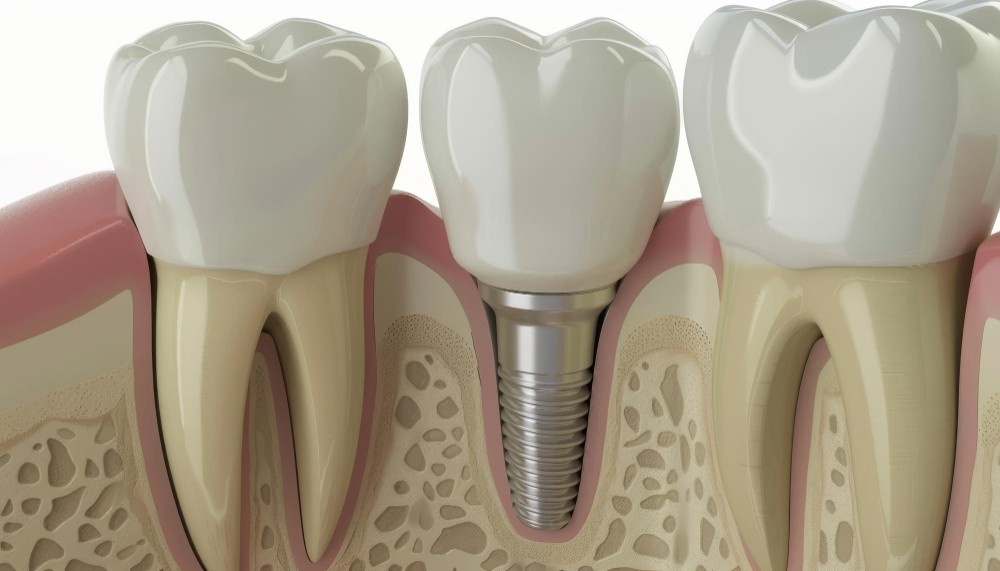
As we mentioned before, there are different types of bone grafts and each one of them is composed differently and has its own set of advantages and drawbacks. The different types of bone grafts are as follows:
Autografts: Autografts also known as autogenous bone grafts, include taking the bone from the patient’s own body and implementing it into the jaw. The bone can be taken from different areas including the chin, hip, etc. Since the bone will be taken from the patient’s own body, biocompatibility is a given. Additionally, this procedure will also promote natural bone growth.
Allografts: This type of bone graft entails taking bone from a human donor, after making sure that the bone is biocompatible and ensuring implant success. If you want to avoid having two surgeries done, this will be the right procedure for you.
Xenografts: Xenografts entail taking the bone from Animal Sources mostly cow bone and implementing it to the jaw.
Platelet-Rich Fibrin (PRF): Last but not least we have platelet-rich fibrin which is the newest grafting technique. This procedure will promote the body’s natural healing properties to encourage the success of the bone grafting. PRF is taken from the patient’s blood and has a high concentration of growth factors that aid in tissue regeneration and bone repair.
The process of bone grafting for dental implants usually entails cutting through the gums to reach the region of the missing bone. After that, the graft material is positioned and secured, encouraging the growth of new bone.
After bone grafting, the healing process entails first stabilizing the graft and then vascularization, in which blood vessels enter the graft site to provide oxygen and nutrients.
As a result, new bone cells develop during osteogenesis, which gradually integrates the graft with the surrounding bone. The graft begins to integrate completely into the jawbone, creating a solid base that allows the implantologist to insert dental implants.
Following bone grafting, patients should follow the post-operative care instructions carefully, which include keeping teeth and gums clean, avoiding strenuous exercise, and maintaining a soft diet to avoid irritating the graft site.
For graft integration and healing to be as good as possible, it is essential to take prescribed drugs, attend follow-up visits, and abstain from smoking and excessive alcohol consumption. Following these recommendations guarantees positive results for the implantation of dental implants and encourages the success of the bone grafting procedure.
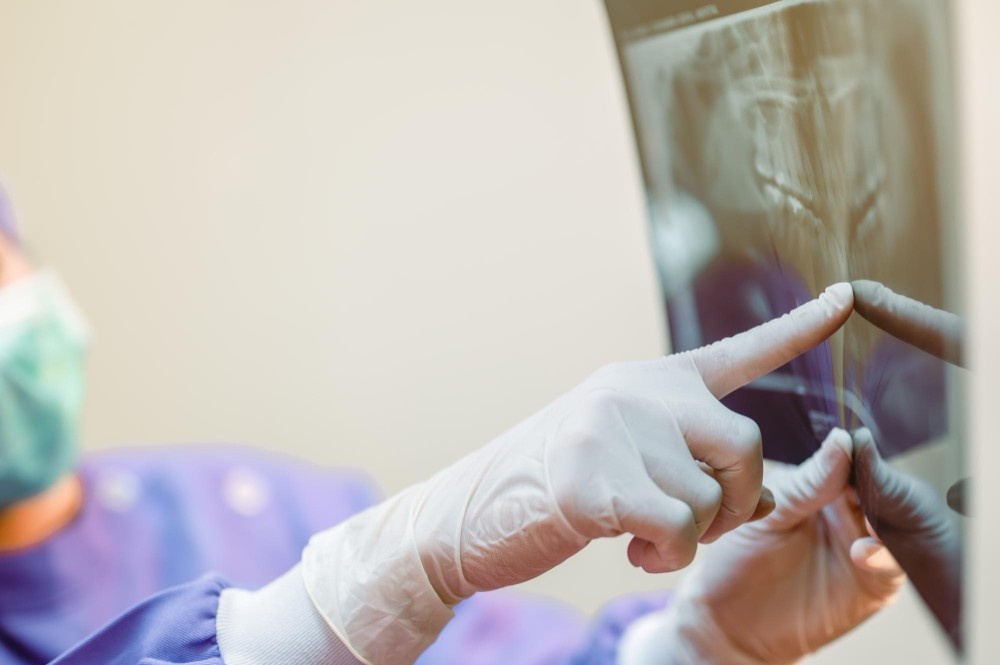
Make sure the patient has enough jawbone volume: The size and condition of the jawbone determine how stable and long-lasting dental implants are. This is especially important with All-on-4 and All-on-6 implants, which entail anchoring a whole arch of teeth to only four or six implants. If the patient doesn’t have enough jawbone volume, you might risk implant failure.
Promotes Jawbone Health: The loss of teeth can lead to bone loss in the jaw, especially if the teeth have not been replaced for a long time. As a result, bone resorption may impair the jaw’s ability to support implants.
As you may know, osseointegration is the process in which implants fuse with the jawbone. Bone grafting helps create the right conditions for this process, which would not be possible without it.
Prevents Future Bone Loss: By adding sufficient bone to the areas where it is missing, the grafting procedure will also stimulate the regeneration of the natural bone. This will not only help you maintain the structure of your jaw and face but it will also help prevent additional bone loss.
Dental implants are an excellent option for replacing missing teeth, and some people will also consider having their severely damaged teeth extracted and replaced with implants. As we mentioned before, if the tooth is not replaced at the right time or for different factors, our jawbone will continue to deteriorate and a dental graft will be necessary.
However, bone grafting might not be the only surgery required for dental implants to be successful. Gum grafts may occasionally be necessary in addition to the dental implant treatment.
Patients who have gum disease, or receding gums that reveal the tooth roots, are the perfect candidates for gum grafts. A gum graft involves transplanting soft tissue from another part of the mouth onto the gum line where the recession has begun.
Gum grafts can be divided into three categories, including:
In order to be considered a suitable candidate for dental implants you need to have sufficient bone and healthy gums that perfectly fit the teeth. Unfortunately, gums disease, gingivitis, and periodontitis will affect many people and jeopardize the success of dental implants.
Gum recession can occur in people without gum disease for a variety of reasons, including overbrushing, tooth position, clenching or grinding, heredity, or damage to the gum tissue.
Gum recession raises the possibility of dental implant failure regardless of its cause. Because of this, if you have gum recession, your dentist will probably advise a gum graft prior to your dental implant treatment. It’s possible that your implant dentist will also advise the gum graft if you need to have one or more teeth pulled before getting dental implants.
After having your damaged teeth extracted it is important to go through with the gum graft immediately in order to stop the gum tissue from receding further and preserve the existing gum tissue. Both these factors will be necessary for the success of the dental implant.
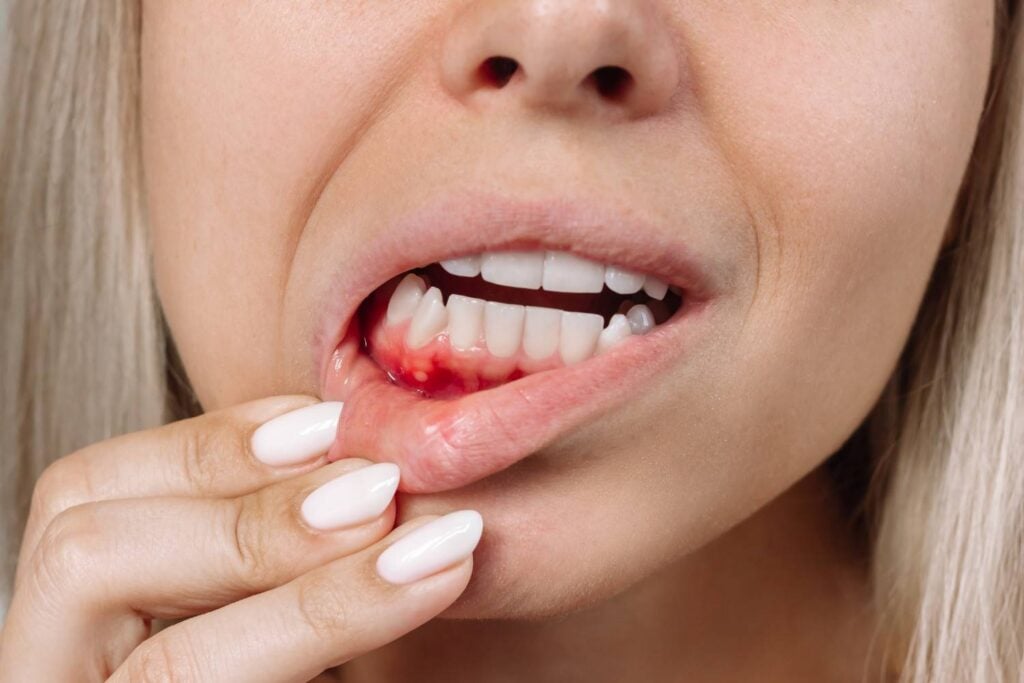
Gum grafts are done to preserve the appearance of your smile following dental implant installation, as well as to guarantee that your implants heal properly. The fact that dental implants look like real teeth and are a very attractive alternative to replacing one or more lost teeth is one of its key advantages.
However, as the gums recede and reveal the interface between the dental prosthesis and the abutment, the cosmetic appeal of dental implants may be compromised. By performing a gum graft, enough gum tissue is preserved to conceal this connection below the gum line. This not only keeps the teeth looking nice, but it also keeps bacteria from growing in the mouth.
As you may have understood by now, gum grafts are essential procedures for patients who are dealing with gum recession and are considering having dental implants. This procedure will not only ensure the success of dental implants but will also help maintain jawbone density while also reducing the likelihood of future gum recession.
The most popular type of gum graft is connective tissue graft where the dentist will create a little pouch in the existing gum tissue by a connective tissue transplant.
After that, a thin layer of connective tissue is removed from the roof of the mouth by making a tiny flap incision. The flap on the roof of the mouth is then sewn down after this thin layer of connective tissue has been inserted into the pouch.
As the new tissue grows over the exposed tooth root and absorbs nutrients from the pouch, the graft will heal. When the tooth roots have been exposed to gum recession and there is insufficient surrounding gum tissue to enable a successful transplant, this kind of gum graft is frequently recommended.
The reason double papilla subepithelial grafts get their name is because procedures entail cutting the healthy papilla on either side of the damaged tooth, and then gently raising it. Additionally, a flap incision is done on the roof of the mouth to remove a layer of connective tissue.
The process of doing a pedicle transplant involves drawing the gum tissue over the exposed tooth root after partly separating it above or below the tooth. After that, the tissue will be sutured to keep it in place.
The tissue will initially be stretched, but as the graft cures, it will gradually return to its usual density. In order for this type of graft will be utilized the patient must have enough healthy gum tissue surrounding the neighboring teeth.
Connective tissue grafts are quite similar to free soft tissue autogenous transplants. A little pouch is created in the existing gum tissue, just like with a connective tissue graft. The primary distinction, though, is that with a soft tissue graft, the tissue is extracted straight from the roof of the mouth rather than from behind the flap.

