
Bad breath also known as halitosis is a condition that affects a lot of people and it can make them feel embarrassed always looking for ways to hide it. We all know that poor dental hygiene is one of the main causes of this issue which causes bacteria to flourish and produce foul odors, the roots of this issue go beyond the mouth.
Bad breath can be a sign of a lot of health issues varying from dietary habits to more serious health issues. These issues can be diverse and sometimes even surprising. You need to identify these factors in order to know when the issue should be treated with the help of a professional or when it can be solved on its own. In this blog post, we will talk about 10 things that make your breath smell bad and help you manage it.
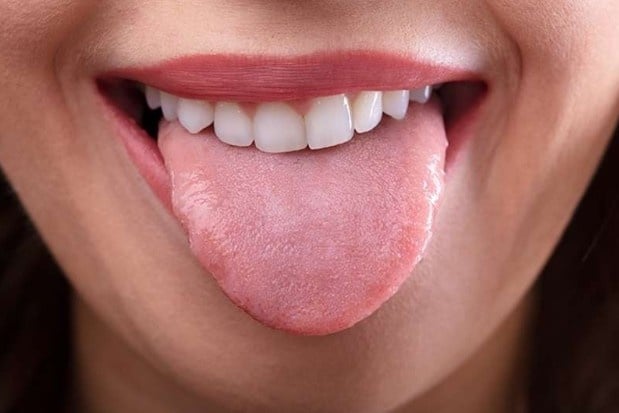
Proper hydration is an important aspect of our overall health and this also includes our oral health also. It turns out that there are several ways in which dehydration can result in bad breath. Let’s take a close look at the impact that dehydration has on our oral health:
Dehydration typically happens due to not drinking enough water to make up the fluids in your body, as you may already know. Dehydration is brought on by sweating, crying, and even breathing; if you don’t drink enough water during the day, even these simple behaviors will result in dehydration.
The most frequent reason for being dehydrated is as simple as just not drinking enough water. Nevertheless, other factors might make you lose more fluids than normal, such as exercising in hot weather or having a stomach illness. Some individuals are also more prone to suffer from dehydration than others, such as the elderly or those with diabetes.
While bad breath may be an indirect symptom of dehydration, you should take a look at these other symptoms:
Dehydration is easily treated with a large glass of water or more. If you drink throughout the day, you may restore your body’s fluids and avoid this problem in the future. But if you have underlying medical issues or have more severe dehydration, you might need to see your doctor.
Some certain types of food and beverages will cause bacteria that lead to bad breath. The bad news is that these types of foods cannot be avoided totally because they may be a part of a healthy diet and they add flavor to the food. When the diet is good for your breath it may not be tasty or delicious.

We know that tea and coffee, especially coffee are beverages consumed by almost everyone, you should know that they reduce the production of saliva and they also have a strong smell on their own which will stay in your mouth for a long time. If it is possible we recommend you avoid it as much as possible to reduce the risk of bad breath.
The worst thing you can drink if you want your breath to smell nice is those beverages high in sulfites, and alcohol is one of them. You may notice that after a night of drinking you will feel more dehydrated which creates a perfect environment for bacteria to thrive. However we know that consuming alcohol cannot be totally avoided because we all enjoy a glass of wine in the evening, but however we recommend you to drink as much water as possible and limit the intake as much as you can, if you want your breath to smell nice.
While garlic adds rich flavor to a variety of dishes, including pasta sauces and other plates, it also frequently causes unpleasant breath. Long after consuming any meal that contains garlic, the smell of the vegetable can still be detected in your breath. In fact, garlic can enter your bloodstream and leave through your lungs, which is why some people experience the aftertaste of garlic days later.
The body will use protein for energy if it is consumed in excess and in a high proportion compared to fat and carbohydrates. Ketones are the byproduct of the body consuming protein as fuel; they have a strong scent that cannot be eliminated by brushing or flossing. This process is known as ketosis. Reducing your protein consumption may not be possible or healthy depending on other dietary requirements; in any case, you shouldn’t put your breath above other elements of your health. One way to minimize the effects of a high-protein diet is to drink more water.

Since onions contain a lot of sulfurous compounds, thorough mouth-cleaning routines may only address half the issue because these chemicals can cause foul breath from the lungs as well as the mouth when they enter circulation.
Even while canned fish is a quick and simple lunch option, it will most likely result in foul breath. The fish starts to oxidize in the can, which gives it the distinct fragrance that stays in your mouth long after you’ve eaten your lunchtime snack.
Bacteria that cause foul breath love sugar as fuel. Chewing gum is a common solution for bad breath, but it only helps if the gum is sugar-free—if not, you’re just giving the germs more food!
High-acid fruits and vegetables, such as tomatoes, blueberries, and grapes, additionally create an environment that these dangerous bacteria love to take advantage of. A balanced diet must include fruits and vegetables, however, foods high in acid can seriously harm dental health. This brings up a crucial issue: a diet that is ideal for the mouth may not be ideal for general health as it would be deficient in some foods and fail to provide the necessary balance of nutrients.
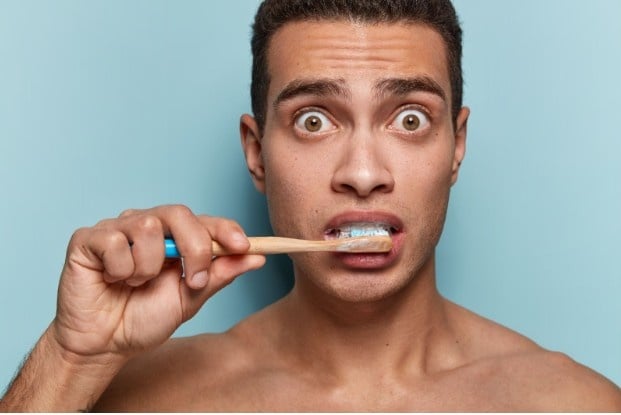
A regular brushing and flossing routine is important because the bacteria that get stuck in the teeth will eventually cause bad breath. If this bacteria is not cleaned properly, they will form into plaque which is a sticky colorless film. When it lingers for a long time in your mouth, your gums will be irritated. This is the early stage of gum disease and it is called gingivitis.
While it develops, even more, the infection will reach the bone and this late stage is known as periodontitis. Bacteria that cause odors can also be trapped on your tongue. Food particles and germs that cause odors can also accumulate in dentures and other permanent or removable dental equipment like braces if they are not fitted correctly or improperly cleaned.

Certain medications have side effects and they can vary from mild to severe. One common side effect of certain medications can be bad breath, which can make you feel embarrassed and uncomfortable in social situations.
When medications are broken down in your body, chemicals are released into your bloodstream, which can also lead to foul breath. Dry mouth and poor breath may result from some of these drugs because they interact with your nervous system and reduce salivation. If the medications are used only for a certain amount of time, their side effect will go away on their own, but if you should use them for a very long time you can reduce these side effects by drinking a lot of water.
Bad breath can be managed by practicing good oral hygiene and by regularly attending your dental appointments. You can avoid bad breath as much as you can by:
Digestive issues can be some of the reasons why you may have bad breath. Furthermore, we will mention some of the conditions that come from the stomach which will cause bad breath:
Pylori is one of the most common causes of foul breath coming from the digestive system. Although this type of bacteria usually coexists with other bacteria in your gut microbiome, things can go very wrong and cause serious harm. It may be the cause of around two-thirds of gastrointestinal and stomach ulcers.
If, after eating certain meals, such as dairy and spicy foods, you regularly suffer reflux or heartburn, your digestive tract might be the source of your bad breath. The sour scent of these acids might affect your breath by producing unpleasant odors.
Sometimes bad breath with a strong ammonia or fishy smell might be a sign of chronic kidney failure.
If you have gas, bloating, and burping, SIBO may be the cause of your foul breath. Trillions of bacteria live in the large intestine, the part of the digestive system where digestion takes place. Bacterial overgrowth can occasionally develop in the small intestine, despite the fact that it is meant for nutrition absorption and has a far lesser number of bacteria. Some individuals may develop SIBO after a gastrointestinal illness and those who suffer from fructose malabsorption or lactose intolerance may also have problems with their gut bacteria. Oftentimes, symptoms worsen after taking fiber.
Food malabsorption is the main cause of foul breath. Crohn’s and celiac disease-related decreased digestion leaves more food for sulfur-reducing bacteria to break down. More hydrogen sulfide is produced as a result, sometimes resulting in bad breath and smelly burps.
Diabetes patients may have dry mouth and reduced salivary flow. Less saliva in the mouth may decrease an individual’s defenses against oral diseases, some of which can lead to foul breath.
Moreover, increased blood sugar levels in diabetics may contribute to increased salivary glucose levels. Too much glucose can lead to an increase in oral germs and a build-up of dental plaque. Gum disease and tooth decay can result from not cleaning dental plaque, which could result in halitosis. Undiagnosed or poorly controlled diabetes can also be indicated by bad breath.

Some people can only breathe through the mouth due to issues with their nose like allergies or a cold and this is called mouth breathing. This will also happen during activity because people tend to breathe through the mouth to help get more oxygen to the muscles faster.
Continuous mouth breathing, even when you’re asleep, might cause complications. Mouth breathing in kids can result in poor development, crooked teeth, and facial abnormalities. Chronic mouth breathing in adults can lead to gum disease and foul breath. It may also make the symptoms of other diseases worse.
Overall, bad breath can be caused by various reasons which can come from both inside or outside of the mouth. While some of the symptoms can be managed easily and may even go away on their own, others might need a more detailed examination and treatment. The most common reason for bad breath is bacteria that is present on the teeth and debris on the tongue, that will not be cleaned for a very long time.
If you have noticed bad breath coming from your tongue and you don’t know what the cause is we recommend you to make an appointment with your dentist and they will identify any reasons and find the right treatment. Afterward, you will feel more confident and comfortable to speak or smile.

