Dental implants in albania

What is a Dental implant? – Dental Implants in Albania

A dental implant is an artificial replacement of a missing tooth.
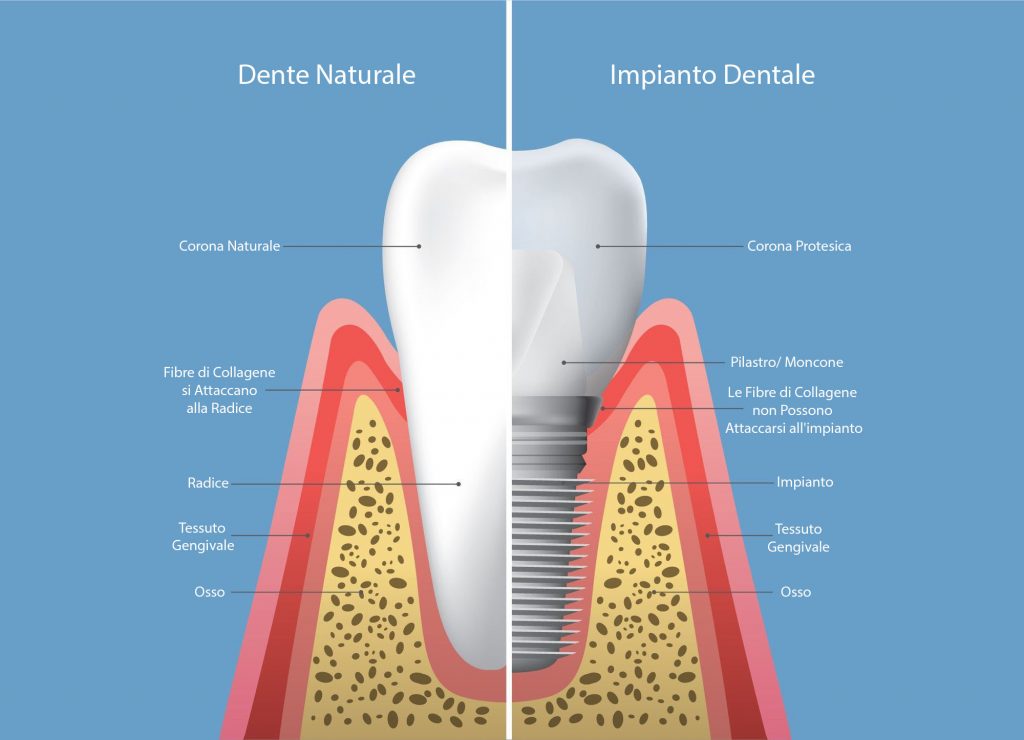
Natural teeth has two parts: the crown and the root. The crown is the part that can be seen which is covered by white enamel. It holds up by the root of the tooth that draws out to the jawbone. Dental Implant is the process of replacing the root with a good quality fixture.

It is usually a titanium screw that is inserted into the jaw bone to replace the missing tooth as if it were a natural tooth. It can vary in shape (cylindrical or conical), length, and diameter depending on the amount of bone.

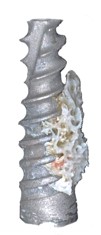
Parts:

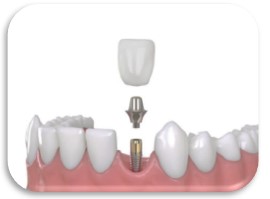
  • Implant fixure or dental implant: the portion that remains under the gum.
  • Transepithelial pillar or abutment: the portion of the fixation that emerges from the mouth.
  • Crown or prosthesis:covers the abutment and is noticeable in the mouth.

Dental Tourism in Albania: How much does a Dental implant procedure cost?

Healthcare costs have certainly been rising all over the world and people realize this especially after a visit to their dentist. Dental treatments are too expensive and people even postpone their checkups and healthcare procedures due to the high prices.

Dental healthcare is one of the greatest options for tourism in Albania, due to the combination of affordable procedures, good quality dental services, and the country´s natural beauty

Albania is a tourist destination for around 4 million visitors per year, much less than other near countries such as Italy and Greece. However, with its Mediterranean climate, golden beaches, mountainous landscapes, interesting history, affordable prices in everything (including dental treatments and procedures), delicious local cuisine, and friendly people, the country has everything a tourist may need from a European adventure as well.

Prices

  • Dental Implant (abutment included) € 450
  • Metal-Ceramic Crown € 100
  • Zirconia Crown € 200
  • Anestesia Cosciente Endovenosa (1 ora) € 100
  • “All on 6” (6 implants) with 12 /14 fixed
    metal-ceramic teeth
    € 4200
  • “All on 6”(6 implants) with 12/14 fixed
    zirconia teeth
    € 5200
  • “All on 4”(4 implants) with 12 /14 fixed
    metal-ceramic teeth
    € 3300
  • “All on 4”(4 implants) with 12/14 fixed
    zirconia teeth
    € 4300
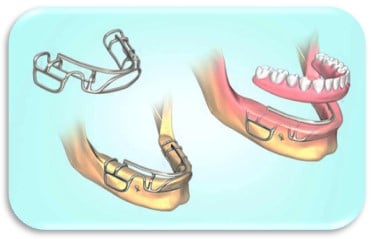
  • “All on 4”(4 implants) with Overdenture
    (Bar Prothesis)
    € 3300

It is also a safe country.  In terms of dental tourism, you can find many clinics where the service offered is truly modern, being able to count on the latest technological equipment. The dental clinics in Albania are considered Top-notch and the quality of services is matched with the worlds best.

Every dental clinic offer different prices. In Albania, you can get quality treatments and great results for a 70% cheaper price than in other European countries so the dental implant cost is about 300-400 Euro.

The surgical phase is usually performed in a single intervention for one or both jaws. It must also be said that Albanian dentists, who work in the dental tourism field, give priority to foreign patients so everything can be concluded quickly, around 7 to 10 days approximately.

In conclusion, the services offered by Albanian dentistry are really performed in a short time, with professionalism and efficiency, just as promised.

What is Osseointegration?

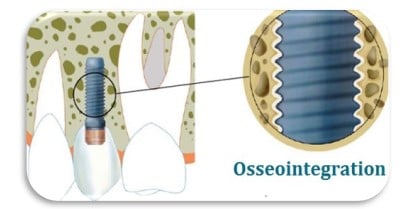
Dental implants are build through a process that is also called Osseointegration, which happens at cases when bone cells “stick” immediately to the exterior surface of the titanium implant, permanently fixing the implant to the jaw bone.

It is synonymous with good implant integration in the jawbone. It can be also defined as the direct, structural, and functional connection between

the bone structure and the surface of an implant (titanium screw).This material is used because it is highly biocompatible.

When osseointegration is complete (between 4-6 months), the fixed teeth can be placed.

During those months, a removable prosthesis or a fixed provisional with immediate load on the implant can be made. Soat any point during the treatment, the patient will not be without teeth.

Once the osseointegration of the implant occurs, the prostheses are placed over the implants. The definitive teeth will give a better chewing capacity and will restore a beautiful missing smile.

Phases:

OSSEOINTEGRATION PHASES

✔ Reticular bone formation: from the first day to the 4th or 6th week.

✔ Bone mass adtion to taptahe load: in the second month.

✔ Bone structure adaptation to the load: from the 3rd month and throughout all life.

What are Dental Implants for?

  • Dental Implants replace teeth with similar or even greater stability of the lost natural teeth, avoiding using and preparing adjacent teeth. They reintegrate the mouth operationality and they look as naturaly as our teeth.

✔ If only one tooth is missing: The dental implant replaces this tooth and maintains the neighboring teeth.

✔ If few teeth are missing: With dental implants, fixed prostheses or bridges can be inserted. In this way, a great aesthetic and functional result is obtained.

✔ If all teeth are missing In this case, 6-10 dental implants can be placed in the jawbone, into which a fixed circular bridge is placed.

Dental implants types

In general terms, there are two (2) types of dental implants:

DENTAL IMPLANTS TYPES

✔ Endosseous dental implants (osseointegrated)

✔ Subperiosteal dental implants (juxta-bone)

Endosseous dental implants:

It is the most commonly used implant currently. This type of implant is surgically placed in the jawbone. At the time that the implant is osseointegrated , the prosthesis or crown is implemented in order to give the real aspect of a tooth.

There are several forms of the endosseous implant: Cylindrical, screw/threaded (the most used), sheets, etc.

Subperiosteal dental implants

This kind of implants are in fact a  metal frame which  is implemented in the jaw bone just beneth the gum tissue. Therefore, they are shaped like the edge of the bone so they can be fixed properly.

Most of the times, those implants are considered the best choice for patients who have problems 

with their conventional dentures or have minimal bone height and the endosseous implants can not be placed.

Subperiostal implants are gradually falling out of use. When placed above the bone, the biggest problem with this type of implant is the lack of  osseointegration. Besides, these implants are much more extensive and require much more wide surgeries, so the recovery of the patient is slower and the risk of complications is higher.


Placement procedures types

Dental implants are divided according to their way of placement. There are two types of implants:


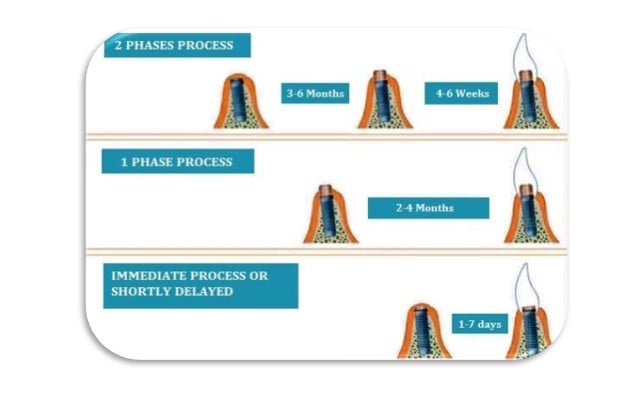
Immediate loading dental implants (1 phase procedure):

In this technique a provisional crown is placed immediately after surgery. The advantageof this procedure is that the gum will not be opened again to insert the pillar or the abutment. After 3 or 4 

months the provisional crown is replaced with a permanent one.It is needs to havea good quality bone and enough amount of it for using this method.

  • All on 4 and All on 6 techniques

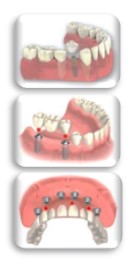
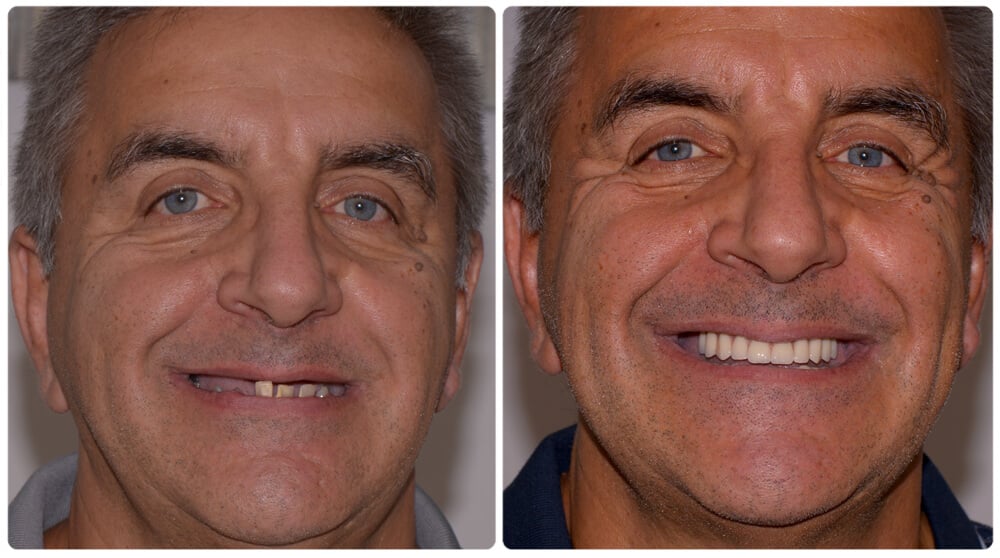
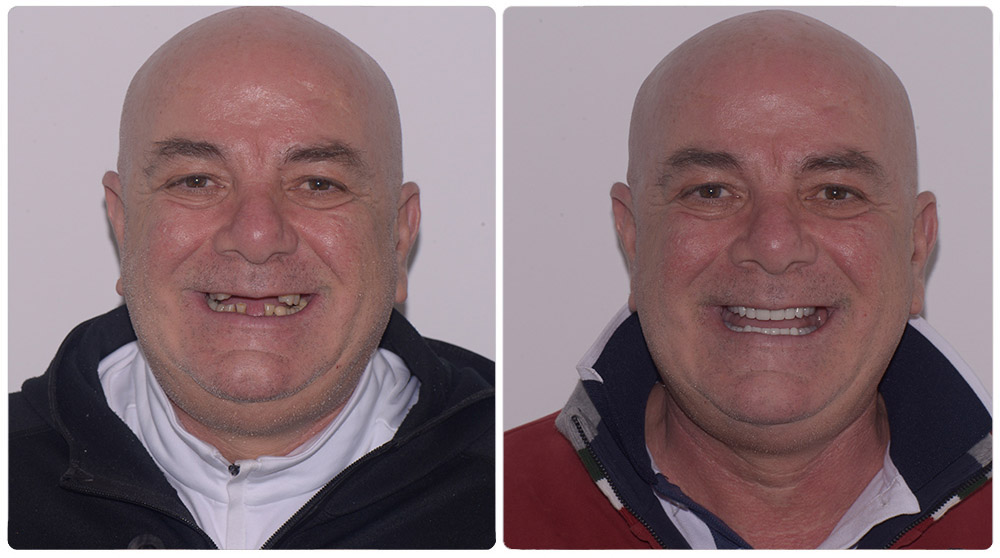
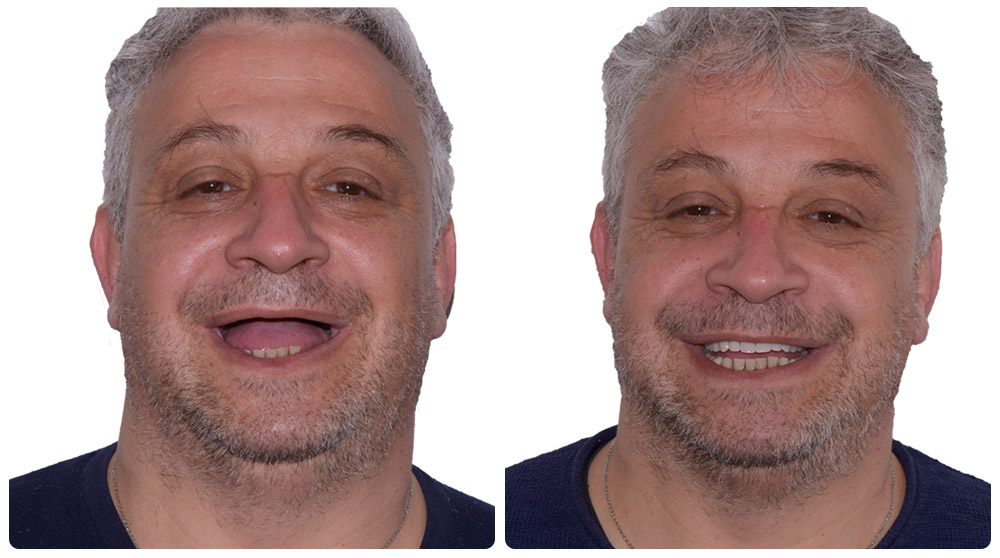
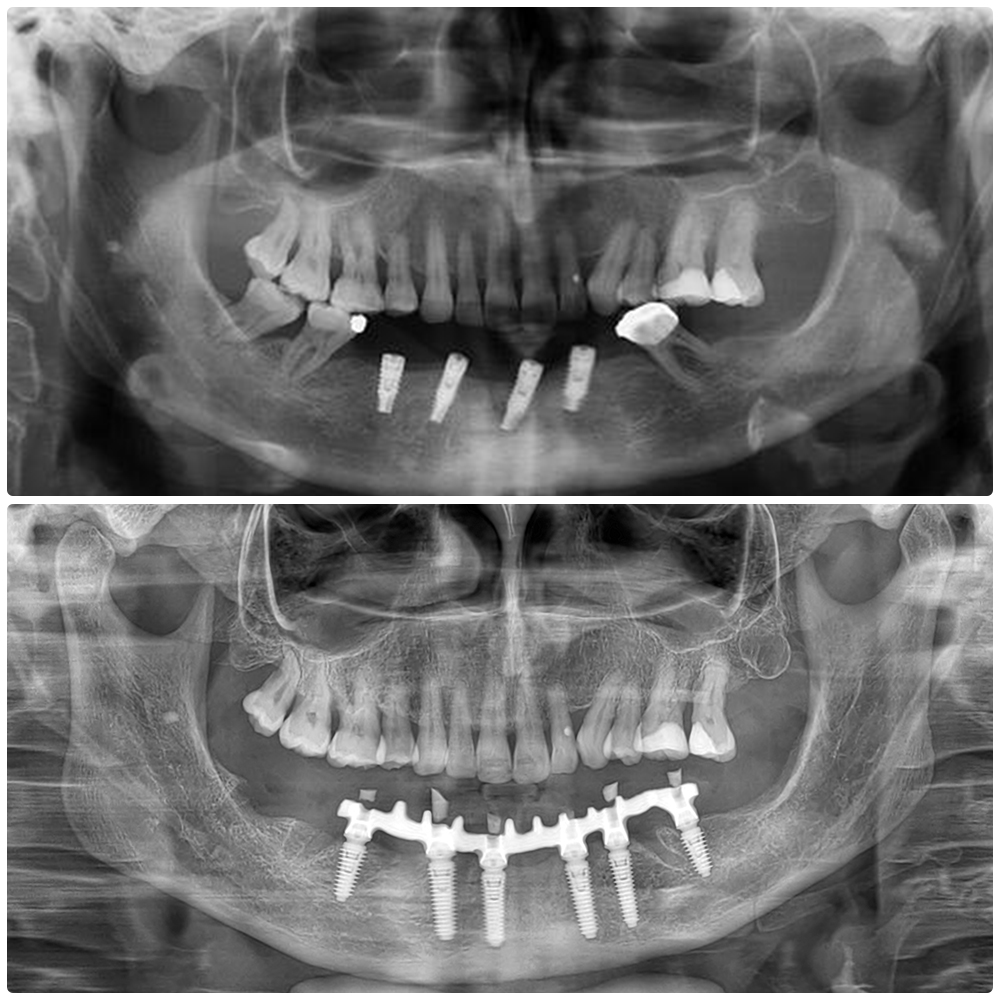
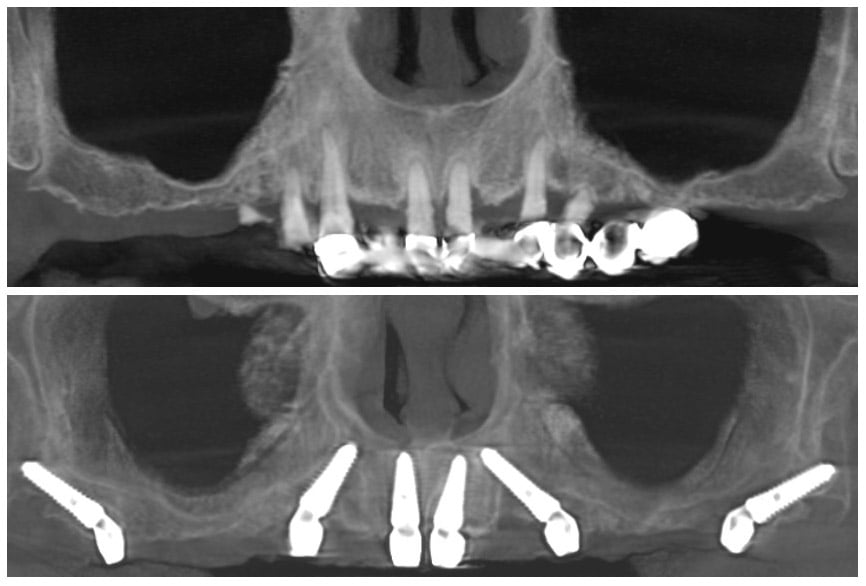
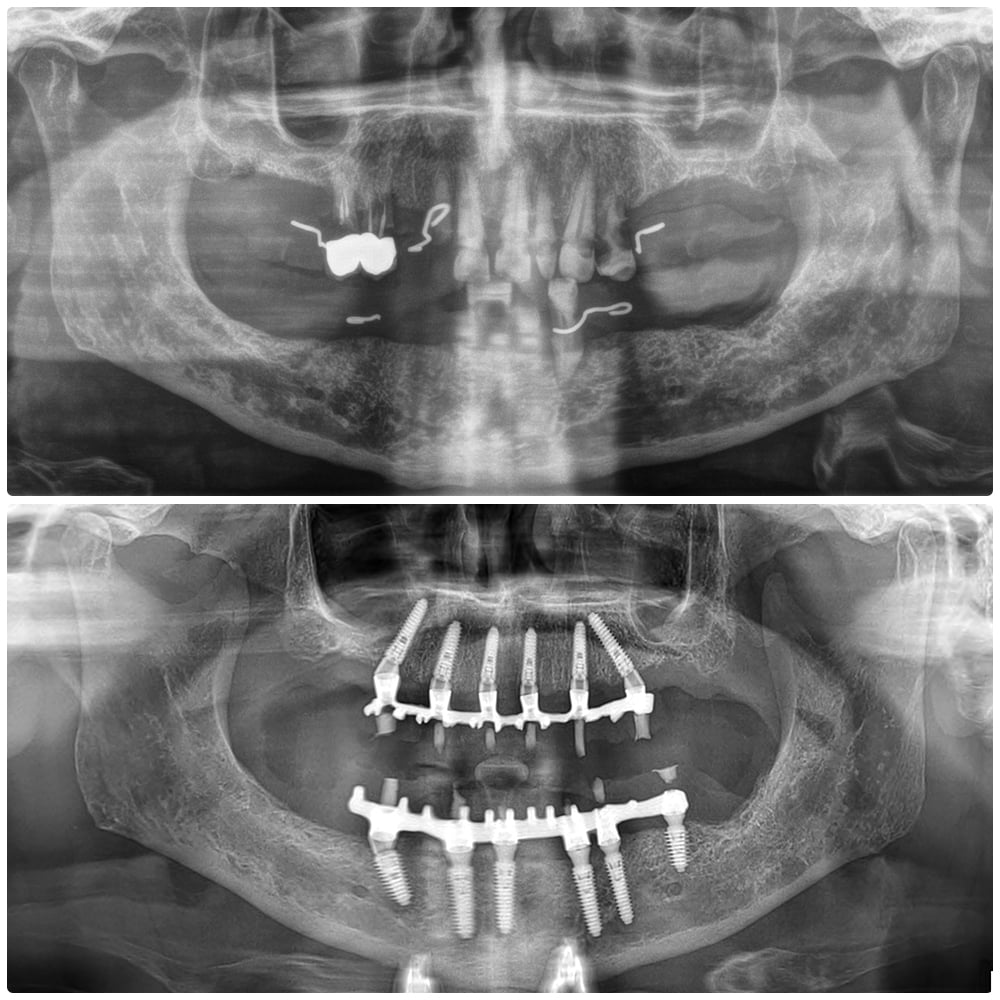
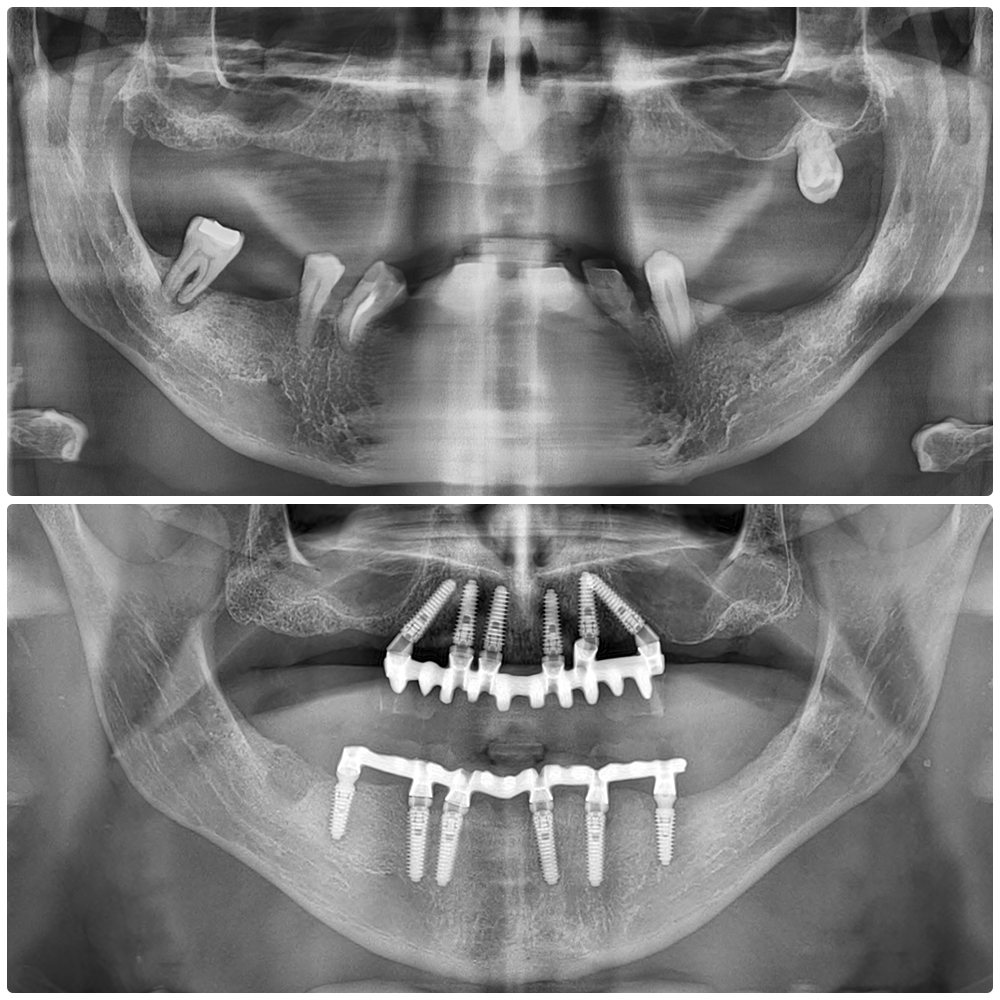
The All on 4 and All on 6 techniques is a good option for people who suffer  total loss of their teeth. It consists of placing a fixed full-arch dental prosthesis on four dental implants (in the case of the All on 4), or on six dental implants (in All on 6) in the same day of the intervention.
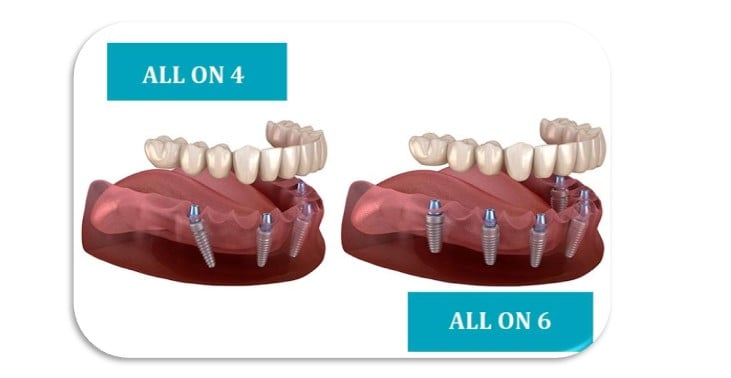
 

BENEFITS OF ALL ON 4 AND ALL ON 6 IMPLANTS


✔ Patient’s life quality rapidly improvement: on the same day of dental implant surgery, the specialist places a fixed full-arch prosthesis.

✔ Shorter time treatment: the number of interventions is considerably reduced and the immediate loading of the dental prosthesis on the same day of the intervention also minimizes the time to get the final teeth.

✔ Stability achievement (even if the quality and quantity of the bone are poor): All on 4 and All on 6 dental implants are longer than conventional ones to make the most of contact with the bone. For edentulous or toothless patients with little bone, these two techniques represent a good solution; the All on Four technique for patients with medium bone resorption and the All on Six technique for those patients with more severe bone resorption (in this case more stability is required).

✔ Lower treatment prices: the costs of All on 4 and All on 6 are lower than other dental implant treatments that require either a greater number of implants or other techniques with bone grafts or more complex surgeries.

Delayed Loading

The procedure with these types of techniques consists in two phases. In the first stage, the implant will be placed, the gum will be closed and we must wait for the time in which the implant will be integrated in the bone. Therefore, to continue with the second phase of treatment, some time should pass after surgery: 3-4 months for the lower jaw/ 5-6 months for the upper jaw. In the second phase of the treatment, the gingiva is re-opened and the abutment will be screwed into the implant and then the permanent crown is placed over it.
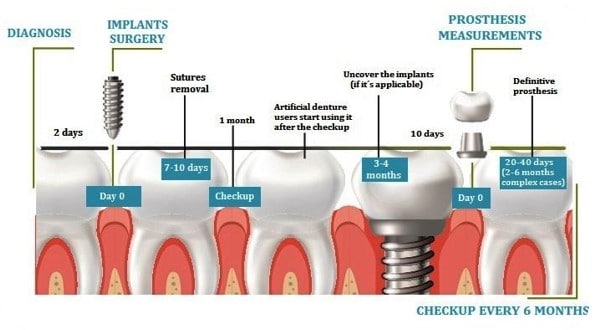
Phases of Dental implant treatment

The procedure is different in each case and has to be personalized. The implant team will inform the patient in detail.

However, it usually includes the following steps:

  • The initial phase of study and planning.
  • One or multiple steps during the surgical part.
  • Restorative part.
  • Maintenance part.

Initial phase:

Treatment with osseointegrated dental implants requires procedures of high technical complexity. Therefore, it has to be well planned, and the study has to be carried out in one or more visits with the aim of:


✔ Provide information about the implants or the type of prosthesis indicated if it´s applicable.

✔ Help to choose the ideal time to carry out the treatment, since in some phases it can alter the rhythm of life of the patient. The study phase is the ideal time to plan everything.

✔ Individually assess the patient’s general and oral health status to know possible risks or contraindications to the treatment.

✔ Offer to the patient a treatment plan with information on the clinical procedures that will be performed.

✔ Regain comprehensive health by guiding the patient about other dental treatments that the patient may need (periodontal, restorative, endodontic, joint …) or general.

During this phase, a clinical history is carried out with a complete exploration of the mouth, including various imaging tests (X-rays, 3D Scanner CT, photography etc…) and later study plaster models will be made. Also, the implant team will advise the patient about the necessary treatments before or after the implant treatment.

Surgical phase:

One or more surgical procedures are required to prepare the osseous bed before installing the implants. Sometimes it is necessary to do regenerative surgery to be able to put the implant completely surrounded by bone and give it the stability it requires.

Depending on each case, this placement can be done in one or several surgical acts:

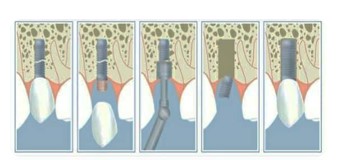
✔ If the procedure is done in two phases, in the first phase, the implant is inserted and it is left completely covered by the gum for a variable period. In the second phase, generally, a few months later, a small incision is made in the gingiva to check the good condition of the implant and make the connection of the abutment, which remains in contact with the oral environment and will serve as a connection with the future prosthesis.

✔ At the time when a single stage technique is used (which nowadays is more frequent),it starts with the placement of the fixture or implant in the bone, and at the same time, the abutment or a healing cup is placed during the first phase surgery.In specific cases, a provisional fixed prostheses is placed over the implants during the same day of the intervention.

The choice of procedure depends on the individual criteria that will be assessed by the implant team.
Restorative phase:

It is the stage of the treatment where the teeth (crowns, bridges or other prostheses) are placed on the implants. It is carried out when it has been verified (through specific procedures) that osseointegration is adequate and that the implants and surrounding tissues are prepared to receive forces.

This phase requires a variable number of stages, with some appointments directed to ensure the total functional and aesthetic integration of the new teeth in the set of oral and facial structures, and it is as important as the surgical one.

The members of the implant team in charge of the prosthesis (the restorative dentist and the dental prosthesis technician in charge of the laboratory) must have a good understanding.

Sometimes, the requirements for adaptation to the new aesthetic and functional situation are complex and have to be lengthened considerably until an optimal restoration is achieved. Then it may be necessary to bring temporary prostheses that, in any case, will allow a reasonable function and aesthetics.

Maintenance phase:

Multiple research studies have shown that implant treatments are very safe. This security relapses in exhaustive control and maintenance protocols.

Everyday hygiene from the patient is essential for having a long lasting prostheses and to avoid peri-implant infections.

Adequate surveillance must be established and periodic maintenance cures must be carried out to avoid bacterial contamination and possible imbalances of the prostheses due to wear and tear that can be caused by use and the passage of time.

With maintenance reviews, the aim is to control the evolution of the treatment results over time, detecting earlier any unfavorable situation that may occur and acting accordingly.

In cases that there is no problem, which is most probable, diagnostic and preventive routines are carried. The implant team individualizes each specific case to guarantee the health of the long-term treatment.
After surgery care

Normally, in the first hours after the dental implant surgery, there will be bleeding, as well as inflammation in the area (it usually lasts about 1-2 days). If the bleeding persists for a longer time, the patient should go to the dentist. For swelling, ice should be applied to the area. The expert will advise and formulate prescribes as pain relievers, or other anti-inflammatories.

After dental implant surgery, a series of care must be followed so that the implant heals in the less time possible. Some recommendations are:

✔ Do not use mouth washing the first day after surgery: rinsing the mouth can cause the sutures to fall out and heavy bleeding.

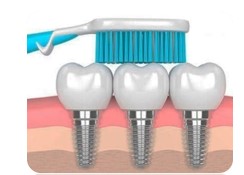
✔ Regular tooth brushing: teeth should be brushed gently,with a very soft tooth brush especially around the implant area. You can perform with an electric or manual brush.You should not brush the day of the surgery!

✔ Food: During the 3 hours after surgery, the patient should avoid the intake of food and drink. After that, should eat a soft cold diet and drink plenty of fluids.

✔ Smoking is another big no, since tobacco damages the tissue, detaining the healing process and possibly causing pain.

✔ Physical activity: it is recommendable not to do activities that involve effort for at least 2 weeks.

✔ Dental check-ups: Make sure to regulary check the condition of your implant (it is advised to perform regular checkups 3 Days, 7 Days, 10 Days ).

Advantages and Risks of Dental implants

ADVANTAGES OF DENTAL IMPLANTS

✔ Prevent bone resorption.

✔ Save adjacent teeth.

✔ Fixed Restorations

✔ Don´t cause pain.

✔ Permanent.

  • Dental implants prevent bone resorption. If a tooth is missing, that is, the crown and the root, than the bone retracts, and the physical appearance changes. Dental implants prevent this process from taking place.
  • Dental implants save adjacent teeth. In cases where only one tooth is missing, there are two solutions: a bridge with three crowns or placement of an implant. In the case of the bridge, the adjacent teeth sometimes have to be devitalized; however, when a dental implant is inserted these teeth do are not prepared at all.
  • Dental implants do not move. The difference with removable solutions is that dental implants will give the patient enough confidence as the natural teeth because they are fixed and do not move.
  • With dental implants, there is no pain. The patient will not feel more pain and swelling in the gums that removable dentures cause.
  • Dental implants are permanent. Dental implants are for a long period of life if the patient takes proper care ofthem.

Even though the dental implant is a very safe intervention and with a success rate of more than 90%, rarely, risks or complications can arise.

RISKS OF DENTAL IMPLANTS

✔ Rejection of the implant (main risk).

✔ Infections.

✔ Dental nerve damage.

  • Rejection of the implant (main risk). In this case, the dental implant can move or fall, but without causing complications. The success or failure of the implant can be seen 4-6 months after the intervention.
  • To avoid these problems, all the instruments are disposable or sterilized in special tools, and immediately after the surgery, the dentist prescribes antibiotics and analgesics to the patients.
  • Dental nerve damage. In this case, there may be pain, or the sensation of itching or numbness of the lips, gums, and cheeks. Nerve injury can occur when an wrong technique is used improperly sized implant is choosed; that´s why before the treatment, a thorough study will be carried out to locate the anatomical structures that have to be respected, to move away or consciously manipulate them to be able to place the implants while preserving the general health.

What to do if a Dental implant is lost?

Although it is a very rare situation, it is a known complication of implantology. If the implant is lost before the prosthesis is placed, the cause of the loss is evaluated, and then both 

(the cause and the possible consequences) are corrected. Ifit´s still possible, a new implant is replaced.


If it is lost after placing the prosthesis, the prosthesis is removed and then, usually the same protocol as before.

Sometimes the remaining implants are enough to ensure the stability of the prosthesis; in these cases, it is not necessary to replace the lost implant

Table of Contents