
Peri-implantitis is a serious condition that can threaten the stability of your dental implants if not treated early. Early diagnosis and professional care are essential to protect your oral health and bone structure. City Dental Clinic offers advanced peri-implantitis treatment in Albania using modern technology and precise protocols.
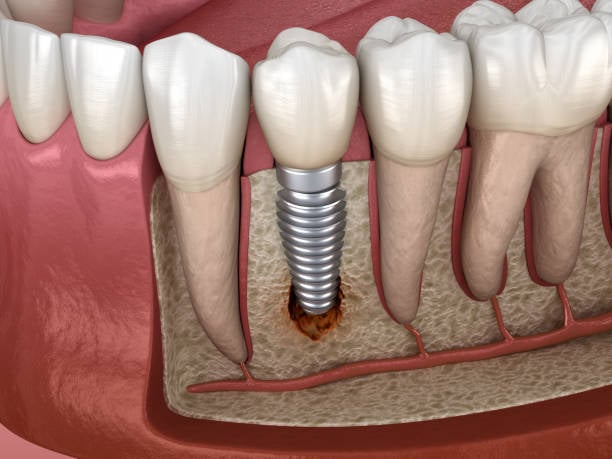
Peri-implantitis is an inflammatory condition that affects the tissues surrounding a dental implant. It develops when bacteria accumulate around the implant, leading to infection and bone loss.
If left untreated, peri-implantitis can compromise the stability of the implant and eventually cause implant failure. Early detection is crucial to prevent permanent damage.
Unlike normal post-surgical healing, peri-implantitis involves progressive bone deterioration around the implant. Professional monitoring and proper oral hygiene are essential to control this condition.
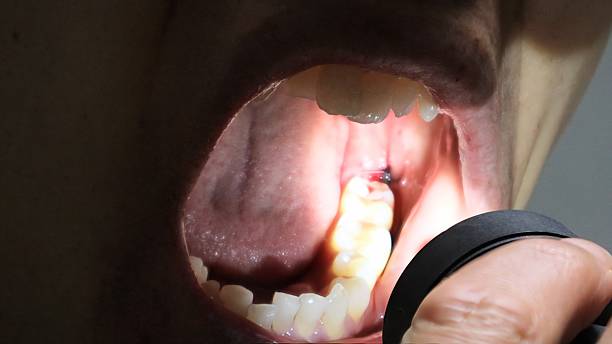
Bacterial Plaque Buildup
Poor oral hygiene allows harmful bacteria to accumulate around the dental implant, leading to infection, inflammation, and progressive bone loss.
Smoking
Smoking weakens the immune system and reduces blood circulation to the gums, significantly increasing the risk of implant infection.
History of Periodontal Disease
Patients who previously suffered from gum disease are more likely to develop peri-implantitis due to underlying bacterial vulnerability.
Poorly Placed Implants
Incorrect implant positioning can make cleaning difficult and create areas where bacteria easily accumulate.
Excessive Bite Force (Occlusal Overload)
Strong or uneven bite pressure can stress the implant and surrounding bone, contributing to inflammation and bone deterioration.
Systemic Health Conditions
Conditions such as uncontrolled diabetes can impair healing and increase susceptibility to infection around dental implants.
One of the earliest warning signs of peri-implantitis is bleeding when brushing or flossing around the dental implant. The gums may appear red, swollen, or irritated, indicating inflammation around the implant site.
Persistent gum tenderness or discomfort should not be ignored, especially if it continues for several days. Early inflammation can quickly progress if professional care is delayed.
As peri-implantitis advances, bone loss around the implant may begin to occur without noticeable pain. This gradual deterioration weakens the implant’s support structure and threatens its long-term stability.
In more advanced stages, patients may feel slight movement or looseness of the implant. Any change in implant stability requires immediate dental evaluation to prevent implant failure.
Peri-implantitis is diagnosed through a detailed clinical examination around the dental implant. The dentist checks for bleeding, gum inflammation, and pocket depth around the implant.
Probing measurements are used to evaluate the space between the implant and surrounding gum tissue. Increased pocket depth may indicate infection and tissue breakdown.
Dental X-rays are essential to assess bone loss around the implant. Comparing current images with previous ones helps determine whether bone deterioration is progressing.
Early diagnosis allows for immediate intervention and better treatment outcomes. Regular dental check-ups are crucial to detect peri-implantitis before severe damage occurs.
Protecting your dental implants starts with maintaining excellent oral hygiene every day. Brushing twice daily with a soft-bristled toothbrush and using dental floss or interdental brushes helps remove plaque around the implant area.
Regular professional cleanings are essential to prevent bacterial buildup that cannot be removed at home. Routine dental check-ups allow early detection of inflammation before it progresses into peri-implantitis.
Avoiding smoking significantly reduces the risk of implant complications and bone loss. A healthy lifestyle, including proper nutrition and controlled medical conditions such as diabetes, supports long-term implant success.
If you grind or clench your teeth, your dentist may recommend a night guard to protect the implant from excessive pressure. Preventive care is the key to ensuring your dental implants remain stable and functional for many years.
The first step in non-surgical treatment of peri-implantitis is professional deep cleaning around the implant. Specialized instruments are used to remove plaque, tartar, and bacterial biofilm without damaging the implant surface.
This procedure reduces inflammation and helps stop the progression of infection in its early stages. Early intervention can prevent the need for more invasive treatment.
Antibacterial treatment may include local antiseptic rinses or antibiotic gels applied directly around the implant. In some cases, systemic antibiotics are prescribed to control infection.
This approach targets harmful bacteria and supports tissue healing. It is often combined with professional cleaning for better results.
Laser therapy is a modern, minimally invasive option used to disinfect the implant surface and surrounding tissues. The laser helps eliminate bacteria while preserving healthy tissue.
This method can reduce swelling and promote faster healing. It is particularly effective in early to moderate cases of peri-implantitis.
Patients are guided on how to enhance their daily oral care routine. This may include using interdental brushes, antimicrobial mouthwash, and specialized implant care tools.
Consistent home care is essential to maintain treatment results and prevent recurrence. Without proper hygiene, the infection can return even after professional therapy.
Open flap surgery is performed to access the infected area around the dental implant. The gum tissue is gently lifted to allow thorough cleaning of the implant surface and removal of infected tissue.
This procedure helps eliminate deep bacterial deposits that cannot be treated with non-surgical methods. It also allows the dentist to evaluate the extent of bone loss directly.
If significant bone loss has occurred, bone grafting procedures may be necessary. Guided bone regeneration techniques are used to rebuild the lost bone around the implant.
Special biomaterials are placed to stimulate natural bone growth and restore implant stability. This approach improves long-term implant survival in advanced cases.
During surgical treatment, the implant surface is carefully disinfected using mechanical instruments, laser, or chemical agents. The goal is to remove bacterial contamination and create a healthy environment for healing.
Proper decontamination increases the chances of saving the implant. It is a critical step in managing moderate to severe peri-implantitis.
In advanced cases where bone loss is extensive and the implant is no longer stable, removal may be necessary. This step prevents further damage to the surrounding bone and tissues.
After healing, the area can be reassessed for possible bone reconstruction and future implant placement. Early treatment reduces the likelihood of reaching this stage.
Proper recovery after peri-implantitis treatment depends on the severity of the condition and the type of procedure performed. Mild discomfort, swelling, or slight bleeding may occur during the first few days, especially after surgical treatment.
Patients are usually advised to follow a soft-food diet temporarily to avoid placing pressure on the treated area. Maintaining gentle but thorough oral hygiene is essential to support healing and prevent reinfection.
Post-Treatment Care Tips:
Regular follow-up appointments are crucial to monitor bone healing and implant stability. Long-term success depends on consistent professional care and strict daily oral hygiene.
You should see a dental specialist as soon as you notice bleeding, swelling, or persistent discomfort around a dental implant. Early symptoms may seem mild, but they can quickly progress into serious bone loss if ignored.
If you experience bad taste, pus discharge, or gum recession around the implant, professional evaluation is necessary. These signs often indicate infection that requires immediate treatment.
Looseness or movement of the implant is a critical warning sign that should never be delayed. Prompt diagnosis can increase the chances of saving the implant and preventing further damage.
Regular check-ups are equally important even if you have no symptoms. Preventive monitoring helps detect peri-implantitis in its earliest stage.
In its early stage (peri-implant mucositis), the condition can often be reversed with professional cleaning and improved oral hygiene. However, once bone loss occurs, treatment focuses on controlling the infection and preventing further damage.
Peri-implantitis does not always cause strong pain in the beginning. Many patients experience mild discomfort or no symptoms at all, which is why regular dental check-ups are essential.
In many cases, yes. Early diagnosis and proper treatment significantly increase the chances of saving the implant and restoring stability.
Treatment duration depends on the severity of the infection. Mild cases may require only professional cleaning, while advanced cases may need surgical intervention and longer follow-up.
Maintaining excellent oral hygiene, avoiding smoking, and attending regular dental visits are the most effective preventive measures. Professional monitoring helps detect inflammation before it progresses.
Dental implants are a long-term investment in your oral health, function, and confidence. Protecting them requires consistent oral hygiene, regular professional check-ups, and immediate attention to any warning signs.
Peri-implantitis can threaten implant stability if ignored, but early diagnosis and proper treatment can successfully control the condition. Prevention remains the most powerful strategy to ensure your implants last for many years.
By following professional guidance and maintaining a disciplined care routine, you significantly reduce the risk of complications. Taking proactive steps today protects both your implant and your overall oral health in the future.
Are you noticing bleeding, swelling, or discomfort around your dental implant?
⛔ Do not ignore early warning signs — fast action can save your implant and protect your investment.
At City Dental Clinic, we combine advanced technology with expert care to treat peri-implantitis and implant complications effectively. 🦷✨ Your oral health deserves precision, experience, and modern solutions.
📩 Book your consultation today and take control of your implant health. Your smile deserves expert protection and long-term stability.

